


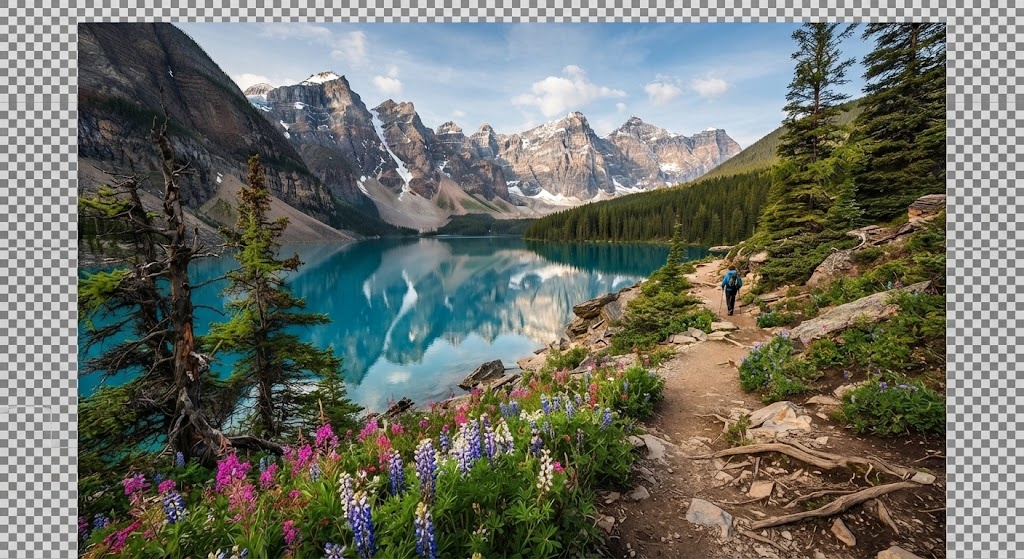
Canada is one of the best countries in the world for outdoor adventures. From towering Rocky Mountain peaks and turquoise lakes to coastal cliffs, forests, waterfalls, and wide-open wilderness, the country offers hiking experiences for almost every type of traveler.
The best part is that you do not have to be an expert hiker to enjoy the scenery. Canada has easy lakeside walks, moderate mountain trails, and challenging multi-day adventures. Parks Canada alone highlights hiking opportunities across Canada’s provinces and territories, ranging from accessible trails to backcountry expeditions.
If you are looking for scenic hikes Canada is an excellent destination to consider. Whether you want dramatic mountain views, peaceful forests, glacier scenery, or ocean landscapes, there is a trail for you.
This guide covers some of the best hiking trails Canada has to offer and explains where to go, what to expect, and how to prepare.
Why Canada Is Great for Hiking
Canada’s huge geographic size gives hikers an incredible variety of landscapes.
You can hike through:
- Rocky Mountain valleys
- Alpine meadows
- Dense forests
- Coastal cliffs
- Glacial landscapes
- Waterfall trails
- Lakeside paths
- Prairie landscapes
- Arctic environments
This variety makes Canada suitable for both casual walkers and experienced hikers.
Hiking for Different Experience Levels
Not every trail requires advanced hiking skills.
Beginners can choose short, relatively easy trails near popular tourist areas. More experienced hikers can choose steep mountain routes or multi-day wilderness trails.
Parks Canada recommends checking current trail conditions and understanding trail ratings before heading out.
10 Scenic Hikes Canada Travelers Should Consider
Here are some of the most memorable hiking options to add to your travel plans.
| Trail | Location | Approx. Distance | Difficulty | Best Feature |
|---|---|---|---|---|
| Lake Louise Lakeshore | Banff, Alberta | 2 km one way | Easy | Mountain lake views |
| Parker Ridge | Banff, Alberta | 2.7 km one way | Moderate | Glacier views |
| Emerald Lake Trail | Yoho, British Columbia | 5.2 km | Easy | Lakes and mountains |
| Sulphur Skyline | Jasper, Alberta | 8 km return | Difficult | Mountain panorama |
| Skyline Trail | Cape Breton, Nova Scotia | Varies by route | Moderate | Coastal scenery |
| West Coast Trail | British Columbia | 75 km | Difficult | Ocean and rainforest |
| Gros Morne Mountain | Newfoundland | 17 km return | Difficult | Alpine landscapes |
| Johnston Canyon | Banff, Alberta | 1.1 km one way to Lower Falls | Easy | Waterfalls and canyon |
| Old Fort Point Loop | Jasper, Alberta | 3.8 km return | Moderate | Valley views |
| Moraine Lake Lakeshore | Banff, Alberta | 1.3 km | Easy | Lake and mountain scenery |
Trail distances, difficulty levels, and conditions can change, so hikers should check official park information before traveling.
1. Lake Louise Lakeshore Trail
Lake Louise is one of Canada’s most recognizable mountain destinations, and its lakeshore trail is an excellent option for travelers who want beautiful scenery without committing to a difficult hike.
The trail follows the edge of the famous turquoise lake, with mountains rising around it.
Parks Canada lists the Lake Louise Lakeshore Trail at approximately 2 km one way and rates it as easy.
Why Visit?
This is a great choice for:
- Families
- Beginners
- Photographers
- First-time visitors to Banff
- Travelers with limited hiking time
The combination of blue-green water, mountain peaks, and surrounding forest makes this one of the most accessible scenic trails in the country.
2. Parker Ridge Trail
For more dramatic mountain scenery, Parker Ridge is an excellent option.
The trail is approximately 2.7 km one way and gains around 305 meters in elevation. Parks Canada describes the route as rewarding hikers with views of the Saskatchewan Glacier.
What Makes It Special?
You get a relatively short route with a major scenic reward.
The view toward the glacier and surrounding mountains makes Parker Ridge one of the standout choices for travelers exploring the Icefields Parkway.
This is one of the scenic hikes Canada is especially known for among mountain lovers.
3. Emerald Lake Trail
Located in Yoho National Park, Emerald Lake offers a beautiful combination of calm water, forests, and mountain scenery.
The Emerald Lake Trail is about 5.2 km and is rated easy by Parks Canada. The trail follows the lake and passes through different forest environments.
Best Time to Visit
Summer and early fall can be particularly attractive because of the combination of clear trails and changing seasonal scenery.
It is a good choice if you want an easier hike while still experiencing the Rocky Mountains.
4. Sulphur Skyline Trail
If you want a more challenging hike, consider the Sulphur Skyline in Jasper National Park.
The trail is approximately 8 km return, with around 700 meters of elevation gain. Parks Canada rates it as difficult and estimates about four to six hours for the hike.
Why Hikers Love It
The climb is demanding, but the reward is a broad mountain panorama.
It is best suited to fit hikers who are comfortable with steep climbs and changing mountain conditions.
After the hike, visitors can also consider relaxing at nearby Miette Hot Springs.
5. Skyline Trail in Cape Breton Highlands
Canada’s hiking scenery is not limited to the Rocky Mountains.
The Skyline Trail in Cape Breton Highlands National Park offers a completely different experience, with spectacular coastal landscapes and highland scenery.
Cape Breton Highlands National Park has 26 hiking trails, ranging from easy walks to challenging routes.
Important 2026 Information
For the 2026 peak season, Parks Canada introduced paid parking reservations for the Skyline Trail from June 26 through October 25. Travelers should check the latest reservation requirements before visiting.
This is an excellent choice if ocean views are more appealing to you than mountain lakes.
6. West Coast Trail
The West Coast Trail in British Columbia is for experienced hikers.
Parks Canada lists the trail at approximately 75 km, with the complete experience generally taking six to eight days. It is rated difficult and requires experience with overnight backpacking and challenging terrain.
What You Can See
The route combines:
- Old-growth forest
- Pacific Ocean views
- Waterfalls
- Wildlife
- Beaches
- Rugged coastline
- Historic lighthouses
This is not a casual day hike. It requires preparation, equipment, and physical fitness.
However, for experienced hikers, it can be one of the most memorable canada hiking destinations.
7. Gros Morne Mountain Trail
Gros Morne National Park in Newfoundland and Labrador offers another unique hiking experience.
The Gros Morne Mountain Trail reaches an elevation of 806 meters and provides views toward the Long Range Mountains and Ten Mile Pond gorge.
The complete route is approximately 17 km return and is rated difficult, with a significant elevation gain.
Who Should Try It?
This hike is best for experienced hikers who are comfortable with long distances and steep terrain.
The park also offers shorter options, so visitors do not necessarily have to complete the summit route to enjoy the landscape.
8. Johnston Canyon
If you want a beautiful hike that does not require a full-day commitment, Johnston Canyon is a popular option in Banff National Park.
Parks Canada lists the trail to the Lower Falls at about 1.1 km one way.
Why It Is Popular
The trail follows a canyon and offers views of waterfalls and dramatic rock formations.
It is particularly suitable for travelers who want to combine sightseeing with an easy outdoor activity.
9. Old Fort Point Loop
Located in Jasper National Park, Old Fort Point Loop provides a shorter mountain experience.
Parks Canada lists the loop at approximately 3.8 km, with around 130 meters of elevation gain, and rates it moderate.
The route provides beautiful views of the surrounding landscape while remaining much shorter than some of Jasper’s more demanding hikes.
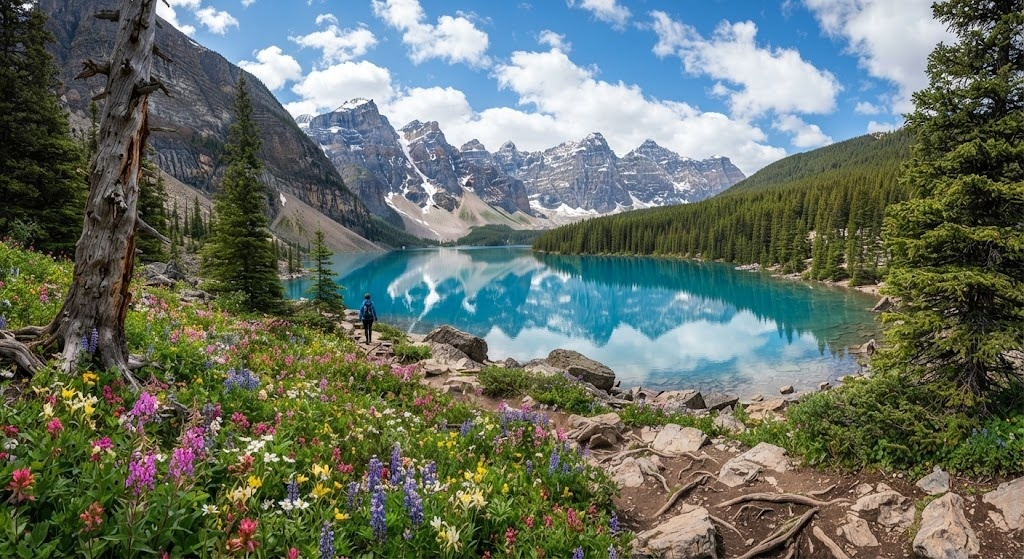
10. Moraine Lake Lakeshore Trail
Moraine Lake is another iconic Canadian destination.
The lakeshore trail is approximately 1.3 km and is considered an easy walk. Parks Canada notes that hikers can enjoy views of Mount Fay and Fay Glacier along the route.
Why Choose This Trail?
It is ideal if you want:
- A short walk
- Beautiful photographs
- Mountain scenery
- A family-friendly experience
- A relaxing outdoor activity
You can enjoy spectacular scenery without spending an entire day on the trail.
Best Canada Hiking Destinations by Landscape
If you are not sure where to travel, choosing your destination based on scenery can make planning easier.
| If You Want | Consider |
|---|---|
| Rocky Mountains | Banff and Jasper |
| Glacier views | Icefields Parkway |
| Turquoise lakes | Banff and Yoho |
| Coastal scenery | Cape Breton Highlands |
| Rainforest and ocean | Pacific Rim |
| Alpine landscapes | Gros Morne |
| Forest hiking | Algonquin and other Ontario parks |
| Short scenic walks | Lake Louise and Johnston Canyon |
Destination Canada highlights the country’s enormous variety of hiking environments, from the Rockies and glaciers to forests and coastal landscapes.
Best Time for Scenic Hikes in Canada
The ideal hiking season depends heavily on the region and elevation.
Summer
Summer is generally one of the most popular times for mountain hiking.
In Banff, Parks Canada notes that the prime hiking season generally runs from July through mid-September, while some higher passes can remain snow-covered earlier in the season.
Fall
Fall can provide beautiful colors, cooler temperatures, and fewer crowds on some trails.
However, mountain weather can change quickly, so preparation remains important.
Spring
Spring can be more complicated for high-elevation hikes because snow may remain on mountain trails.
Lower-elevation trails can be a better choice.
Winter
Winter hiking requires additional equipment and experience. Snow, ice, shorter daylight hours, and cold temperatures can make familiar trails significantly more difficult.
What to Pack for Canadian Hiking
A good packing list can make your hike safer and more comfortable.
Consider bringing:
- Comfortable hiking shoes or boots
- Water bottle
- Snacks
- Weather-appropriate clothing
- Rain jacket
- Warm layer
- Navigation tools
- Phone or GPS
- First-aid kit
- Sunscreen
- Sunglasses
- Insect protection
- Emergency supplies
For longer hikes, add appropriate food, extra water capacity, navigation equipment, and overnight gear when required.
Hiking Safety Tips
Beautiful trails can still have serious hazards.
Before starting any of the scenic hikes Canada offers, check the latest trail conditions.
Parks Canada specifically recommends checking current conditions and understanding trail ratings before heading out.
Check the Weather
Mountain weather can change quickly.
A sunny morning does not guarantee good conditions throughout the day.
Stay on Marked Trails
Do not take shortcuts or leave established routes unnecessarily.
Staying on designated trails also helps protect sensitive natural areas.
Be Wildlife Aware
Canada is home to bears, elk, moose, and other wildlife.
Follow park instructions regarding food storage, wildlife encounters, and group hiking.
Know Your Limits
Do not choose a difficult trail simply because it looks beautiful online.
Choose a hike that matches your fitness, experience, equipment, and available time.
How to Choose the Right Scenic Trail
With so many options, selecting the right trail can seem difficult.
Start by answering these questions:
How Much Time Do You Have?
If you only have a few hours, choose a shorter trail such as Johnston Canyon or Moraine Lake Lakeshore.
If you have multiple days and significant experience, longer routes such as the West Coast Trail may be suitable.
What Scenery Do You Prefer?
Choose mountain trails for alpine landscapes, lakeside routes for water views, and coastal trails for ocean scenery.
What Is Your Fitness Level?
Easy trails can provide excellent scenery without requiring advanced fitness.
Difficult trails require more preparation and experience.
Frequently Asked Questions
What are the best scenic hikes in Canada?
Some popular choices include Lake Louise Lakeshore, Parker Ridge, Emerald Lake, Sulphur Skyline, Johnston Canyon, Skyline Trail, and Gros Morne Mountain.
What is the best hiking destination in Canada?
Banff and Jasper are among the most popular choices because they offer a huge variety of mountain, lake, glacier, and forest trails. However, destinations such as Cape Breton Highlands, Gros Morne, and British Columbia offer very different and equally impressive experiences.
Are there easy scenic hikes in Canada?
Yes. Canada has many easy trails suitable for beginners and families. Lake Louise Lakeshore, Moraine Lake Lakeshore, Emerald Lake, and Johnston Canyon are examples.
What is the best time to go hiking in Canada?
For many mountain destinations, summer is the easiest season for hiking, particularly from July through September. However, the best period depends on the region, elevation, weather, and individual trail conditions.
Are Canada’s hiking trails safe?
Many trails are well maintained, but outdoor hiking always involves risks. Check weather and trail conditions, carry appropriate equipment, stay on designated routes, and follow wildlife safety guidelines.
Which Canadian hiking destination is best for beginners?
Banff, Lake Louise, and Yoho offer several easier trails with excellent scenery. Beginners should choose routes based on distance, elevation gain, weather, and current trail conditions.
Conclusion
Canada offers an incredible variety of outdoor experiences, making it an excellent destination for hikers who want beautiful scenery and memorable adventures.
From the turquoise waters of Lake Louise and Moraine Lake to the glaciers of the Icefields Parkway and the rugged coastlines of Atlantic Canada, there are scenic hikes Canada travelers can enjoy at almost every experience level.
The best hiking trails Canada offers are not limited to one region. Banff and Jasper are fantastic choices for mountain lovers, while Cape Breton Highlands is ideal for coastal scenery. Gros Morne provides unique alpine landscapes, and British Columbia offers spectacular rainforest and Pacific Ocean experiences.
Before choosing a trail, consider its distance, elevation gain, difficulty, weather, and current conditions. Most importantly, select a hike that matches your experience and fitness level.
With good preparation and respect for the environment, exploring Canada’s scenic trails Canada has to offer can become one of the highlights of your trip.