


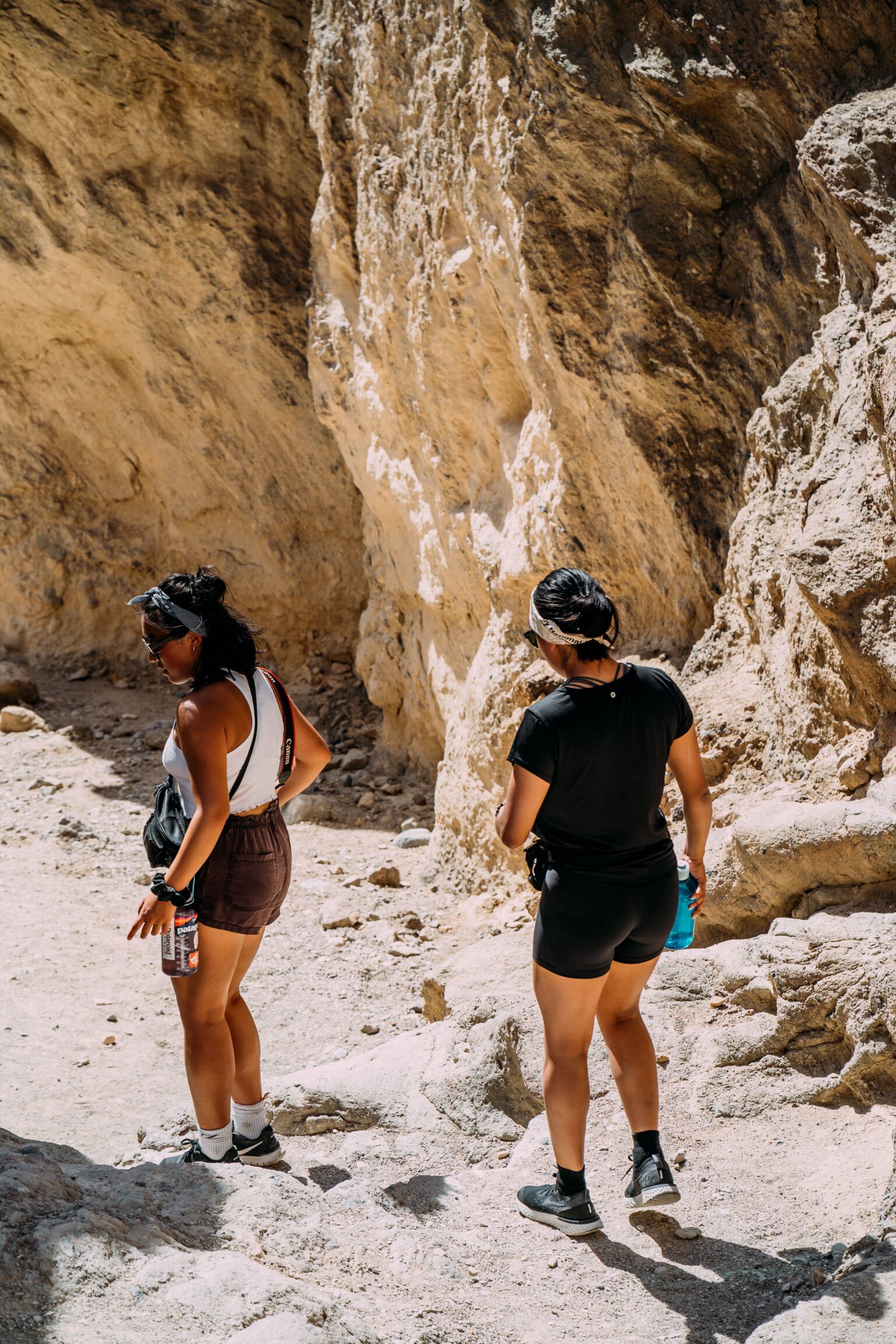
Hiking clothes for women work on a three-layer system: a moisture-wicking base layer against the skin, an insulating mid layer for warmth, and a weatherproof outer shell for wind and rain. The single most important rule is to avoid cotton entirely, because it absorbs sweat, stays wet, and pulls heat from your body when it is cold. Choose synthetic fabrics or merino wool instead. Add hiking trousers or leggings with some stretch, a supportive sports bra, proper wool or synthetic socks, and a sun hat, and you have a complete hiking outfit for almost any conditions.
Most hiking clothing advice turns into a shopping list. This is the system instead, so you can work out what you actually need rather than buying everything.
The Three-Layer System
Every hiking outfit is built from these three layers. In warm weather you may only wear one. In cold weather you wear all three.
| Layer | Job | Fabric |
| Base layer | Move sweat off your skin | Merino wool or synthetic |
| Mid layer | Trap warmth | Fleece, wool, or light insulation |
| Outer shell | Block wind and rain | Waterproof breathable fabric |
The point of the system is adjustment. You will be too warm climbing and too cold at the summit. Layers let you change without carrying a whole second outfit.
Rule One: No Cotton
This matters more than any brand choice you will make.
Cotton absorbs moisture and holds it. On the trail that means:
- It stays wet long after you stop sweating
- It chafes when wet, especially at the waistband and under a pack
- It pulls heat from your body as it evaporates, which in cold or wet conditions is genuinely dangerous
- It takes forever to dry
This includes cotton t-shirts, cotton underwear, and cotton socks. Replace socks and underwear first if you are on a budget, since those are where it causes the most immediate misery.
Use instead: merino wool, polyester, nylon, or blends of these.
Merino Wool vs Synthetic
Both work. They have different strengths.
| Merino wool | Synthetic | |
| Warmth when damp | Excellent | Good |
| Odor resistance | Excellent, wear for days | Poor, smells quickly |
| Drying speed | Slower | Faster |
| Durability | Less durable | More durable |
| Cost | Higher | Lower |
Practical answer: merino for socks and base layers, especially on multi-day trips. Synthetic for everything else, and for anyone on a budget.
Bottoms: Trousers, Shorts or Leggings
All three work. Choose based on terrain and conditions.
Hiking trousers are the most versatile. Look for stretch, a quick-drying fabric, and pockets that actually close. Convertible zip-off legs are practical, if not fashionable.
Hiking leggings are comfortable and popular, and they work well in mild conditions. The tradeoffs are less protection from scratchy brush and rock, and usually fewer usable pockets. Choose a thicker, purpose-made hiking legging rather than a thin gym pair, which will snag and go see-through when stretched.
Shorts are great in heat but leave your legs exposed to sun, insects, and brush. Consider them for open, well-maintained trails rather than overgrown ones.
Look for: stretch, a gusseted crotch which prevents restriction when stepping up, and a waistband that does not sit exactly where your pack’s hip belt does.
The Sports Bra Question
Under a backpack, this becomes a real comfort issue that most guides skip.
- Watch the strap and seam placement. Thick seams under a pack strap cause chafing and pressure points on long hikes.
- Avoid a racerback that sits directly under the pack’s back panel if it has heavy seams there.
- Choose moisture-wicking fabric, not cotton.
- Medium support is usually right for hiking, since it is not high impact but you are moving for hours.
Socks Matter More Than You Think
Socks cause more ruined hikes than any other clothing item.
- Wool or synthetic only. Never cotton.
- Cushioning where you need it, at the heel and ball of the foot.
- No thick seams across the toes.
- Correct height so the sock rises above your boot collar, otherwise the boot rubs your ankle raw.
- Carry a spare pair. Changing into dry socks halfway through a wet hike is transformative.
Some hikers wear a thin liner sock under a thicker sock to reduce friction and blistering. Worth trying if you blister regularly.
What to Wear by Season
Summer
- Lightweight wicking t-shirt or tank
- A long-sleeve sun shirt is often better than sunscreen on exposed trails
- Shorts or light trousers
- Sun hat with a brim, and sunglasses
- Light layer packed for summits and shade
Spring and Autumn
- Base layer plus a fleece mid layer
- Trousers rather than shorts
- Packable rain shell
- A warm hat and light gloves, since mornings and summits are cold
Winter
- Thermal base layer, top and bottom
- Insulating mid layer, fleece or a light down or synthetic jacket
- Waterproof and windproof outer shell
- Warm hat, gloves, and thick wool socks
- Consider gaiters for snow and deep mud
Rain
- A genuinely waterproof shell with a hood, not a water-resistant jacket
- Quick-drying trousers, not jeans
- A pack cover or dry bag for spare layers
- Spare socks in a waterproof bag
⚠️ YOUR PRODUCT PICKS GO HERE
Insert your tested recommendations with affiliate links. Suggested structure:
| Category | Your pick |
| Best hiking trousers | |
| Best hiking leggings | |
| Best base layer | |
| Best fleece mid layer | |
| Best rain shell | |
| Best hiking socks | |
| Best sports bra for hiking | |
| Best sun hat |
For each, note the fit character, the fabric, what conditions it suits, and one honest limitation.
Brands making well-regarded women’s hiking clothing include Patagonia, Arc’teryx, Columbia, The North Face, Smartwool, Icebreaker, prAna, REI Co-op, and Outdoor Research. Verify current lines and pricing before publishing.
Things That Are Not Clothes But Belong Here
- Sunglasses, especially at altitude and on snow or open rock
- A buff or neck gaiter, which works as sun protection, a headband, or extra warmth
- Gaiters for mud, snow, and scree
- Blister plasters, kept somewhere you can reach without unpacking
FAQ
What should women wear hiking? A moisture-wicking base layer, an insulating mid layer such as fleece, and a waterproof outer shell, adjusted for the weather. Add hiking trousers or purpose-made leggings, wool or synthetic socks, a supportive sports bra, and a sun hat. Avoid cotton entirely.
Why should you not wear cotton hiking? Cotton absorbs sweat and holds it against your skin. It stays wet, chafes, and pulls heat from your body as it evaporates, which is genuinely dangerous in cold or wet conditions. Merino wool and synthetic fabrics wick moisture away and keep insulating when damp.
Can you hike in leggings? Yes, and many women do. Choose thicker leggings made for hiking rather than thin gym leggings, which snag on brush and can go see-through when stretched. The tradeoffs are less protection from rock and scratchy vegetation, and usually fewer usable pockets.
Is merino wool or synthetic better for hiking? Merino wool resists odor and stays warm when damp, making it excellent for socks and base layers, especially on multi-day trips. Synthetic dries faster, costs less, and lasts longer. Many hikers use merino next to the skin and synthetic elsewhere.
What should I wear hiking in hot weather? A lightweight wicking top, ideally a long-sleeve sun shirt on exposed trails, plus shorts or light trousers, a brimmed sun hat, and sunglasses. Carry a light layer for summits and shade, since temperatures drop with elevation and wind.
Your Next Step
Fix your socks and base layer first if you are replacing anything. Those two items cause most trail discomfort, and they are the cheapest part of the system to get right.
Then build the three layers around them rather than buying a complete outfit at once. Most hiking discomfort comes from being unable to adjust, not from owning the wrong brand.