


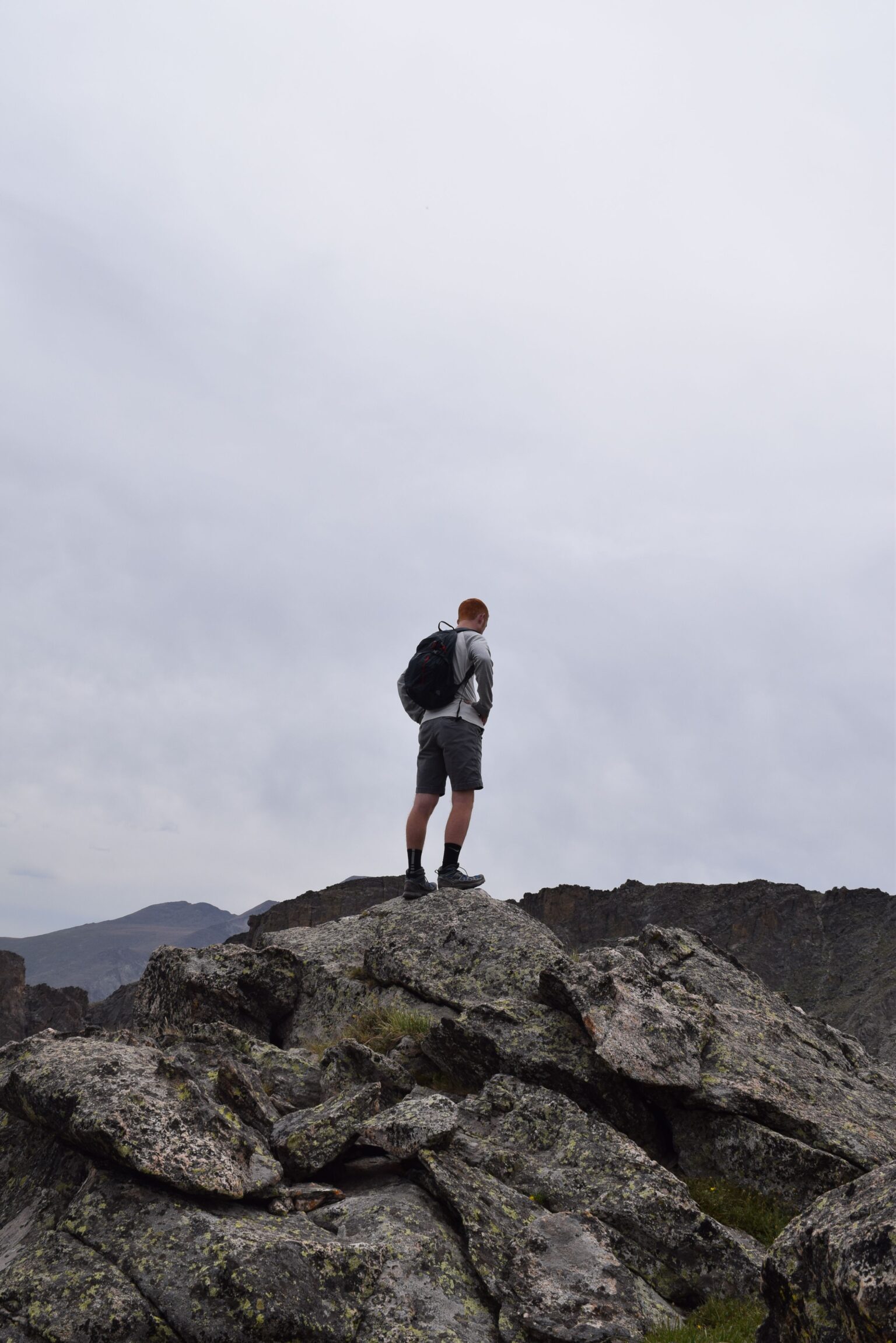
The best hiking trails in Colorado are the alpine lake trails and the accessible fourteeners. Emerald Lake in Rocky Mountain National Park, Hanging Lake near Glenwood Springs, Maroon Bells near Aspen, and Quandary Peak are the standouts. Most of Colorado’s best hiking sits between 9,000 and 14,000 feet, which means two things: the season is short, roughly late June to September, and altitude affects everyone, including fit hikers from sea level. Trails are usually snow-covered until early summer.
Colorado hiking is less about distance than about altitude and weather timing. Get those two right and the rest is straightforward.
Quick Trail Comparison
| Trail | Area | Distance | Difficulty |
| Emerald Lake | Rocky Mountain NP | About 3.6 miles | Easy to moderate |
| Sky Pond | Rocky Mountain NP | About 9 miles | Strenuous |
| Bear Lake Loop | Rocky Mountain NP | About 0.8 miles | Easy |
| Hanging Lake | Glenwood Canyon | About 3 miles | Strenuous, permit required |
| Maroon Lake Scenic Trail | Aspen | About 1.9 miles | Easy |
| Crater Lake via Maroon | Aspen | About 3.6 miles | Moderate |
| Quandary Peak | Breckenridge | About 6.7 miles | Strenuous, a fourteener |
| Mount Bierstadt | Georgetown | About 7 miles | Strenuous, a fourteener |
| Blue Lakes | Ridgway | About 6.2 miles | Moderate to strenuous |
| Ice Lake Basin | Silverton | About 7 miles | Strenuous |
| Chasm Lake | Estes Park | About 8.4 miles | Strenuous |
| Booth Falls | Vail | About 4 miles | Moderate |
| Royal Arch | Boulder | About 3.4 miles | Moderate to strenuous |
| Garden of the Gods loops | Colorado Springs | 1 to 3 miles | Easy |
The Alpine Lake Classics
Emerald Lake, Rocky Mountain National Park
The best introduction to Colorado hiking. About 3.6 miles round trip, passing three lakes on the way up.
It is popular for good reason and gets very busy. Start early or hike late in the day.
Sky Pond, Rocky Mountain National Park
A longer, harder day that ends at a dramatic alpine basin. The route includes a scramble up beside a waterfall, which is the memorable part.
About 9 miles with significant elevation gain. This is a full day.
Hanging Lake, Glenwood Canyon
A steep 3-mile climb to a turquoise lake with waterfalls. Short, but relentlessly uphill.
A permit and reservation are required, and they sell out. Book well in advance on the official site. This is enforced.
Ice Lake Basin, Silverton
Widely considered one of the most beautiful hikes in the state. A brilliantly blue alpine basin surrounded by peaks.
It is hard, high, and the drive to the trailhead is long. Worth it.
Blue Lakes, Ridgway
Three stacked alpine lakes below rugged peaks. Popular, but the scenery justifies it.
The Accessible Fourteeners
Colorado has more than 50 peaks above 14,000 feet. Two are commonly recommended as first attempts.
Quandary Peak
About 6.7 miles round trip with a clear, well-worn route. No technical climbing on the standard east ridge.
A shuttle or parking reservation system operates in peak season. Check current requirements before you go.
Mount Bierstadt
About 7 miles, close to Denver, and one of the most climbed fourteeners in the state. Straightforward route, big payoff.
Before attempting any fourteener:
- Start before dawn. You want to be off the summit by noon.
- Acclimatize first. Spend at least a day or two at altitude before summit day.
- Turn around if weather builds. Afternoon thunderstorms above treeline are the single biggest danger in Colorado hiking.
Easy Hikes That Still Deliver
Not every good Colorado hike is hard.
- Bear Lake Loop, Rocky Mountain NP: under a mile, flat, and stunning.
- Maroon Lake Scenic Trail, Aspen: the most photographed view in Colorado, on an easy path.
- Garden of the Gods, Colorado Springs: paved and dirt loops through red rock formations, at low elevation.
Maroon Bells requires a shuttle or vehicle reservation in season. Book ahead.
The Two Things That Matter Most
1. Altitude
Most of these trails start above 9,000 feet and climb from there. Altitude affects fit people from sea level, and fitness does not protect you.
- Spend a day or two in Denver or a mountain town before hiking high
- Drink far more water than usual
- Go slower than feels natural
- Descend immediately if you get a bad headache, nausea, or confusion
2. Afternoon Thunderstorms
From roughly July through August, storms build over the mountains most afternoons.
The rule Colorado hikers live by: be below treeline by early afternoon. Start at dawn. Lightning above treeline is a genuine, regular hazard, not a theoretical one.
When to Hike in Colorado
| Season | Conditions |
| June | High trails still snowy. Lower trails good |
| July to August | Peak season. Everything open, wildflowers out, daily storms |
| September | Best. Fewer storms, aspens turning gold late in the month |
| October to May | Snow at elevation. Lower foothills trails still hikeable |
September is the sweet spot. Storm frequency drops, crowds thin, and the aspens turn gold in the last two weeks.
Permits and Reservations
Colorado has added a lot of these. Check before you go.
- Rocky Mountain National Park: timed entry reservations in peak season
- Hanging Lake: permit and reservation required, sells out
- Maroon Bells: shuttle or vehicle reservation required in season
- Quandary Peak: parking or shuttle system in peak season
Rules change every year. Always check the official park or forest website rather than a blog, including this one.
FAQ
What is the best hike in Colorado? Emerald Lake in Rocky Mountain National Park is the best all-round pick, being scenic and manageable at about 3.6 miles. For serious hikers, Ice Lake Basin near Silverton is often called the most beautiful hike in the state. Quandary Peak is the most accessible fourteener.
When is the best time to hike in Colorado? Late June through September. High-altitude trails hold snow until early summer. September is the best month overall, with fewer afternoon thunderstorms and golden aspens in the last two weeks.
How does altitude affect hiking in Colorado? Significantly. Most good trails start above 9,000 feet, and altitude affects even very fit people arriving from sea level. Spend a day or two acclimatizing, drink more water than usual, hike slower, and descend if you develop a severe headache or nausea.
Which Colorado hikes need a permit? Hanging Lake requires a permit and reservation that sells out. Rocky Mountain National Park uses timed entry in peak season, Maroon Bells requires a shuttle or vehicle reservation, and Quandary Peak has a parking system in season. Check official sites, since these change annually.
Can beginners climb a fourteener? Yes, with preparation. Quandary Peak and Mount Bierstadt are the two commonly recommended first fourteeners, with clear non-technical routes. The requirements are acclimatizing beforehand, starting before dawn, and turning back if afternoon storms build.
Your Next Step
Pick your trail by season first. Anything above 11,000 feet is a July-to-September hike, and trying it in June usually means snow.
Then plan around one rule that matters more than any other in Colorado: start at dawn and be below treeline by early afternoon. Afternoon lightning is the real hazard here, and an early start solves it, along with the parking and the crowds.