


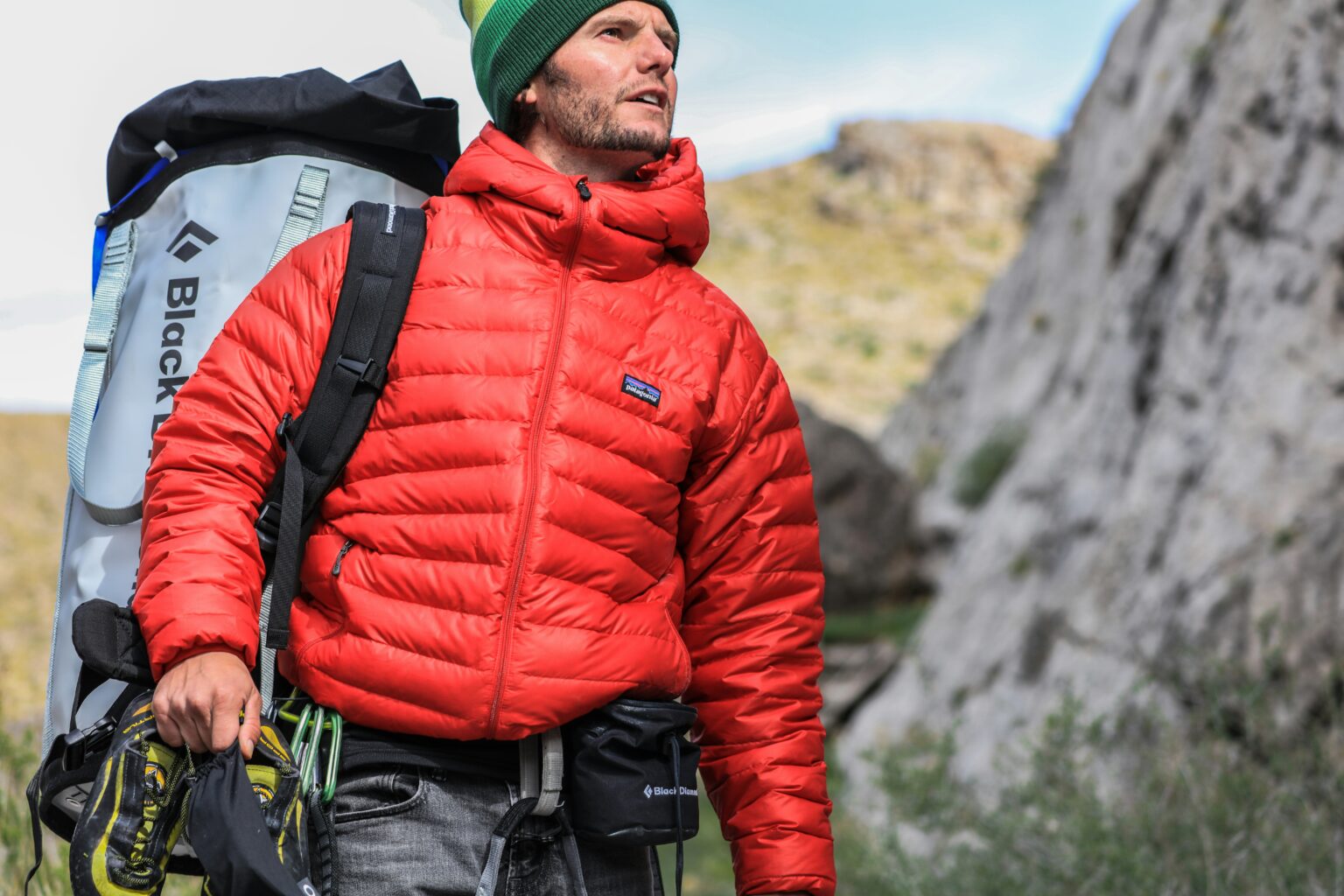
Choosing the right clothes for hiking can make your trip much more comfortable and safe. The best hiking clothes help manage sweat protect you from sun and wind and keep you warm when the weather changes. A simple layering system works best for most hikes.
Start With the Weather
The clothes you wear should match the weather and the trail. A short summer hike needs different clothing from a cold mountain trail. Think about heat rain wind sun and temperature changes before you leave home.
If the weather is warm you may wear a light shirt and hiking shorts. If the weather is cold you need base layers a warm middle layer and a jacket that blocks wind or rain.
Use the Layering System
The easiest way to dress for hiking is to use three layers. This system helps you stay comfortable because you can add or remove clothing as the temperature changes during the day.
Base Layer
The base layer sits next to your skin. It should move sweat away from your body and dry quickly. Good choices include polyester nylon and merino wool. These materials are better than cotton because cotton holds moisture and can make you cold and uncomfortable.
A base layer can be a short sleeve shirt a long sleeve shirt or lightweight leggings depending on the season.
Mid Layer
The mid layer helps keep you warm. This is often a fleece or light insulated jacket. You can remove it when you get warm and put it back on when you stop walking or when the weather cools down.
For colder hikes a mid layer is very important. It helps trap body heat without making you feel too heavy or bulky.
Outer Layer
The outer layer protects you from wind rain and snow. A light rain jacket is useful in many conditions. For colder or wetter hikes you may need a more protective waterproof jacket or shell.
A good outer layer should still let some air move through so you do not overheat while walking.
What to Wear on Top
For most hikes a moisture wicking shirt is the best choice. In warm weather a short sleeve shirt works well. In cooler weather long sleeves can help with warmth and sun protection.
If your hike is long or sunny long sleeves can also help reduce chafing from backpack straps and protect your skin from strong sun. Many hikers prefer light breathable shirts for this reason.
What to Wear on the Bottom
Hiking pants leggings and shorts can all work well depending on the weather and trail. Shorts are fine for hot weather and easy trails. Long pants are better when you need more protection from sun brush insects or cold wind.
Stretchy pants are often a good choice because they allow easy movement. For colder weather leggings under pants can add warmth without taking up much space.
Choose the Right Fabrics
The fabric matters just as much as the style. Hiking clothes should dry fast and help control sweat. Polyester nylon and merino wool are common choices because they perform well in active outdoor use.
Avoid cotton when possible. Cotton absorbs sweat and dries slowly. That can make you feel cold when temperatures drop and uncomfortable if you keep moving for hours.
What Socks to Wear
Good hiking socks are very important. They help reduce blisters and keep your feet more comfortable. Wool or synthetic socks are usually better than cotton because they dry faster and move moisture away from your skin.
Choose socks that fit well and do not bunch up inside your boots. If your hike is long or rough consider carrying an extra pair.
Shoes and Footwear
Even though this article is about clothing your shoes are part of your hiking outfit. The right footwear depends on the trail and the terrain. Hiking boots or hiking shoes usually give more grip and support than everyday sneakers.
Make sure your shoes match your clothing choice. For example lightweight clothes work well with light trail shoes on easy hikes. Sturdy boots work better with colder weather clothing and rough terrain.
What to Wear in Hot Weather
Hot weather hiking clothes should be light breathable and quick drying. A short sleeve shirt or lightweight long sleeve shirt can both work. Shorts are often fine if the trail is easy and you do not need extra protection.
A wide brim hat can help protect your face and neck from the sun. Sunglasses and sunscreen are also smart choices. Even on hot days you should avoid heavy fabrics that trap heat.
What to Wear in Cold Weather
Cold weather hiking needs more planning. Start with a warm base layer then add a fleece or insulated jacket. Wear long pants and think about gloves hat and extra socks if the temperature is low.
The key is to stay warm without sweating too much. If you overheat your clothes can become damp and then make you colder later. That is why layers are so useful.
What to Wear in Rain
If rain is possible carry a waterproof jacket or shell. In some cases waterproof pants may also help. Try to choose clothing that repels water but still allows some breathability.
It is also smart to bring an extra dry layer in your backpack. That way you can change if your clothing gets wet.
Useful Extras
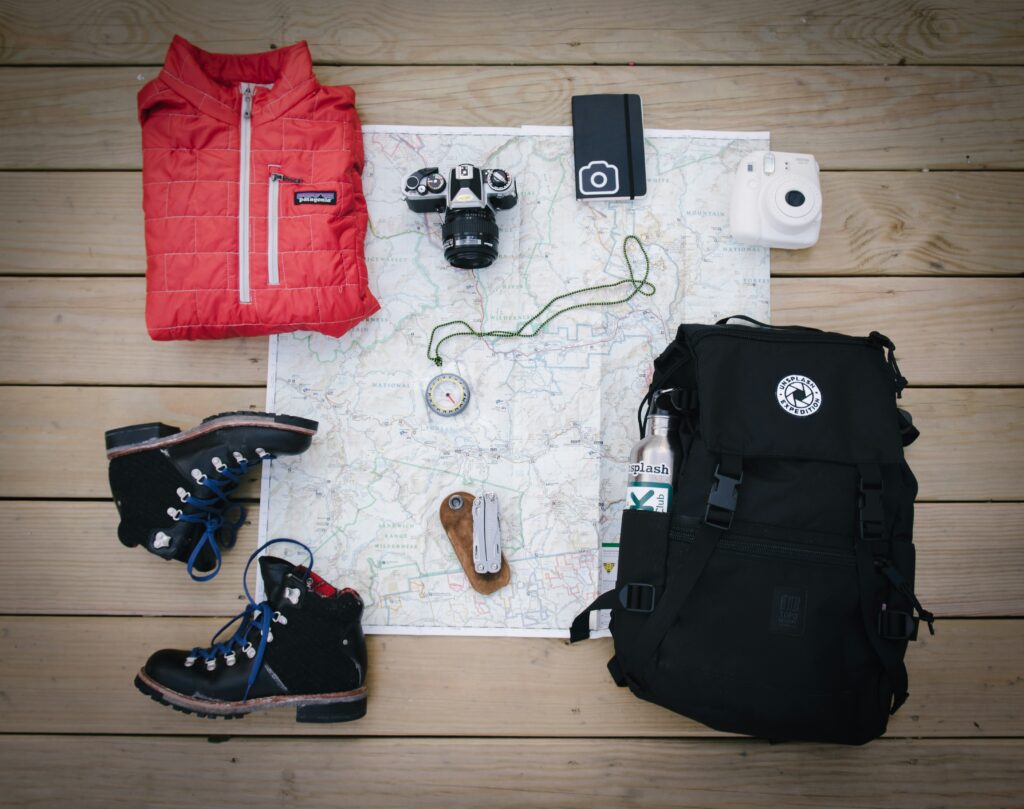
A few small items can make hiking more comfortable.
- Hat for sun or cold.
- Gloves for cold weather.
- Neck gaiter or buff.
- Extra socks.
- Light rain shell.
- Sunglasses.
These items do not take much space but they can make a big difference on the trail.
Simple Checklist Before You Leave
Use this quick checklist before any hike:
- Pick moisture wicking clothes.
- Avoid cotton when possible.
- Use layers for changing weather.
- Bring a rain jacket if needed.
- Wear good hiking socks.
- Match clothes to the season.
- Check that your shoes are suitable.
Final Thoughts
The best answer to what clothes to wear for hiking is simple. Wear clothes that dry fast breathe well and match the weather. Use layers so you can adjust as your body warms up or the weather changes. Choose synthetic materials or merino wool instead of cotton and keep your outfit light practical and comfortable.
With the right clothes you can enjoy your hike more and spend less time thinking about discomfort. A smart hiking outfit helps you stay ready for sun wind rain and changing trail conditions.