


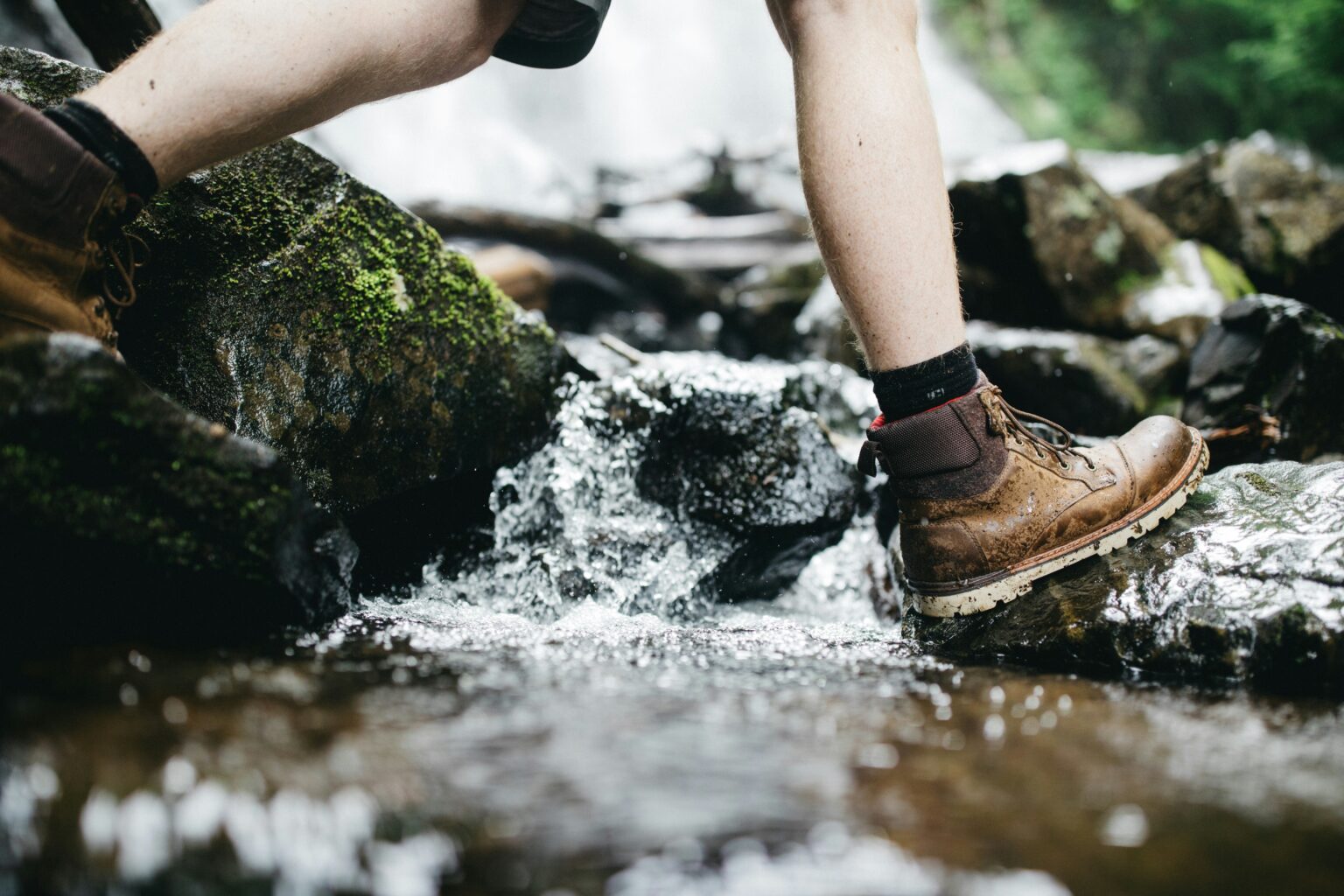
Choosing the right hiking boots can make every hike safer, easier and more comfortable. A good pair supports your feet on rough trails and helps reduce pain, blisters and tired legs. A poor pair can turn a short walk into a bad experience. That is why learning how to choose hiking boots is important before you buy.
Why Hiking Boots Matter
Hiking boots are made to protect your feet on trails. They help with grip on loose ground and support your ankles on uneven paths. They also reduce the impact of rocks roots and hard soil under your feet.
When you wear the right boots you can walk longer with less discomfort. Your steps feel more steady and your feet stay safer. This matters whether you hike once a month or every weekend.
Start With the Trail
The first step in how to choose hiking boots is to think about the trails you walk most often. Different trails need different support. A boot for a flat park path is not the same as a boot for a rocky mountain route.
Easy Trails
For short hikes on smooth trails light hiking shoes or low cut boots are often enough. These are flexible and simple to wear. They work well for beginners and for hikers who carry only a small backpack.
Rough Trails
For rocky steep or uneven trails choose boots with more support. Mid cut and high cut boots give better ankle protection and more stability. They are a better choice when the ground is loose or when you need more control on descents.
Long Hikes
For long hikes or trips with a heavy backpack choose boots with stronger soles and more structure. These boots can handle more stress and help protect your feet over many hours. They may feel heavier but they often give better support on demanding trails.
Fit Is the Most Important Part
Fit is the most important factor when choosing hiking boots. A boot may look strong and stylish but if it does not fit well it will not work well.
Your toes should have enough room to move. Your heel should stay secure when you walk. The boot should feel snug but not tight. If it pinches your foot or makes your toes hit the front then it is not the right pair.
Simple Fit Tips
- Try boots later in the day because feet are often a little larger then.
- Wear the same hiking socks you plan to use on the trail.
- Walk around in the boots before buying them.
- Check if your heel slips when you walk.
- Test how they feel when walking downhill.
If possible try boots on a ramp or slope in the store. This helps you see how your foot moves inside the boot. A good fit should feel stable in both directions.
Choose the Right Material
Hiking boots are usually made from leather synthetic material or a mix of both. Each material has its own strengths. The best one depends on your trail weather and comfort needs.
Leather Boots
Leather boots are strong and durable. They can last a long time and work well on rough terrain. They often need a break in period before they feel fully comfortable. They can also be heavier than other options.
Synthetic Boots
Synthetic boots are usually lighter and may feel comfortable sooner. They dry faster and can work well in warm weather. Many hikers like them for day hikes or lighter trips.
Mixed Material Boots
Some boots use both leather and synthetic parts. These can give a balance of strength and comfort. They may be a smart choice if you want durability without too much weight.
Waterproof or Breathable
You also need to think about weather. Some boots are waterproof and some are more breathable. The right choice depends on where you hike.
Waterproof boots are useful in rain mud wet grass and stream crossings. They help keep your feet dry when the trail is damp. This can be a big advantage in wet seasons or on mountain trails.
Breathable boots are better when the weather is hot and dry. They let heat and sweat escape more easily. This can make your feet feel cooler and reduce moisture inside the boot.
In simple words waterproof boots are best for wet trails. Breathable boots are best for hot trails. Choose the one that matches your hiking conditions.
Check the Sole and Grip
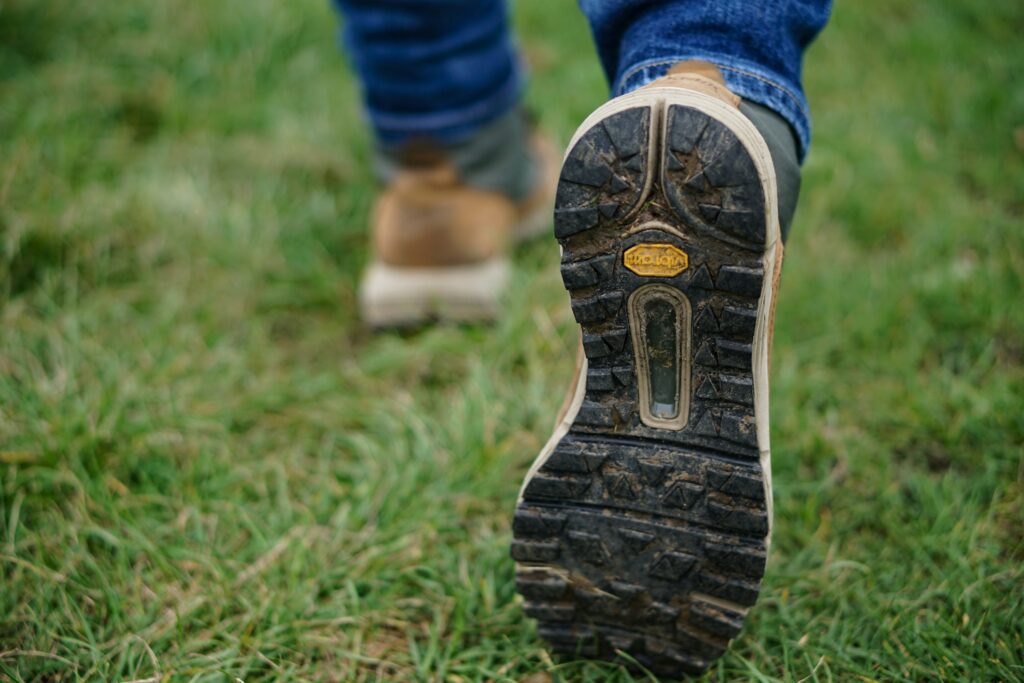
The sole is one of the most important parts of a hiking boot. It affects balance traction and comfort. A good outsole should grip dirt stones and loose ground well.
Look for deep tread patterns on the bottom of the boot. These help the boot hold better on rough surfaces. A firm midsole also helps protect your foot from sharp rocks and gives more support on uneven paths.
If the sole feels too soft it may not give enough stability. If it feels too hard it may not be comfortable for long walks. The best sole gives a balance of grip support and comfort.
Think About Weight
Boot weight matters more than many people think. Light boots are easier to walk in and can help reduce fatigue. Heavy boots often give more support and durability but they may feel tiring over long distances.
The best option is usually the lightest boot that still gives enough support for your trail. Do not choose a boot only because it feels strong. It should also feel comfortable when you walk.
Break in New Boots
Never take brand new hiking boots on a long hike without testing them first. Wear them on short walks before your trip. This helps the boot shape itself to your foot and makes it easier to spot pressure points.
Breaking in boots can also help reduce blisters. If you feel rubbing during short walks you can fix the problem before a long hike. That saves time and pain later.
Socks Matter Too
Hiking socks are just as important as boots. Good socks reduce friction and help keep your feet dry. They also add comfort and support.
Choose socks made for hiking. Cotton socks are not the best choice because they hold moisture. Wool or synthetic blends are better because they help manage sweat and reduce blisters.
When you try on boots always wear the socks you plan to use on the trail. This gives you a more accurate idea of the real fit.
Buy With a Smart Plan
It is a good idea to try boots in a store if you can. Walk around in them for a while. If you shop online make sure there is a return policy that lets you exchange them if needed.
Do not pick boots only because they are expensive or popular. A famous brand does not always mean a perfect fit. The right hiking boot is the one that matches your feet your trail and your walking style.
Final Checklist
Before you buy hiking boots check these points.
- Match the boot to the trail.
- Make sure the fit feels secure.
- Wear hiking socks when testing.
- Choose waterproof boots for wet weather.
- Choose breathable boots for hot weather.
- Check the sole for grip.
- Break them in before a long hike.
Final Thoughts
Knowing how to choose hiking boots can save you from pain and make your hikes more enjoyable. The best boots fit well match your trail and feel right after a short walk. Support material weather protection and grip all matter but fit should always come first.
If you take your time and test carefully you will find a pair that works for your needs. Good hiking boots are not just shoes. They are an important part of a safe and comfortable hiking trip.