


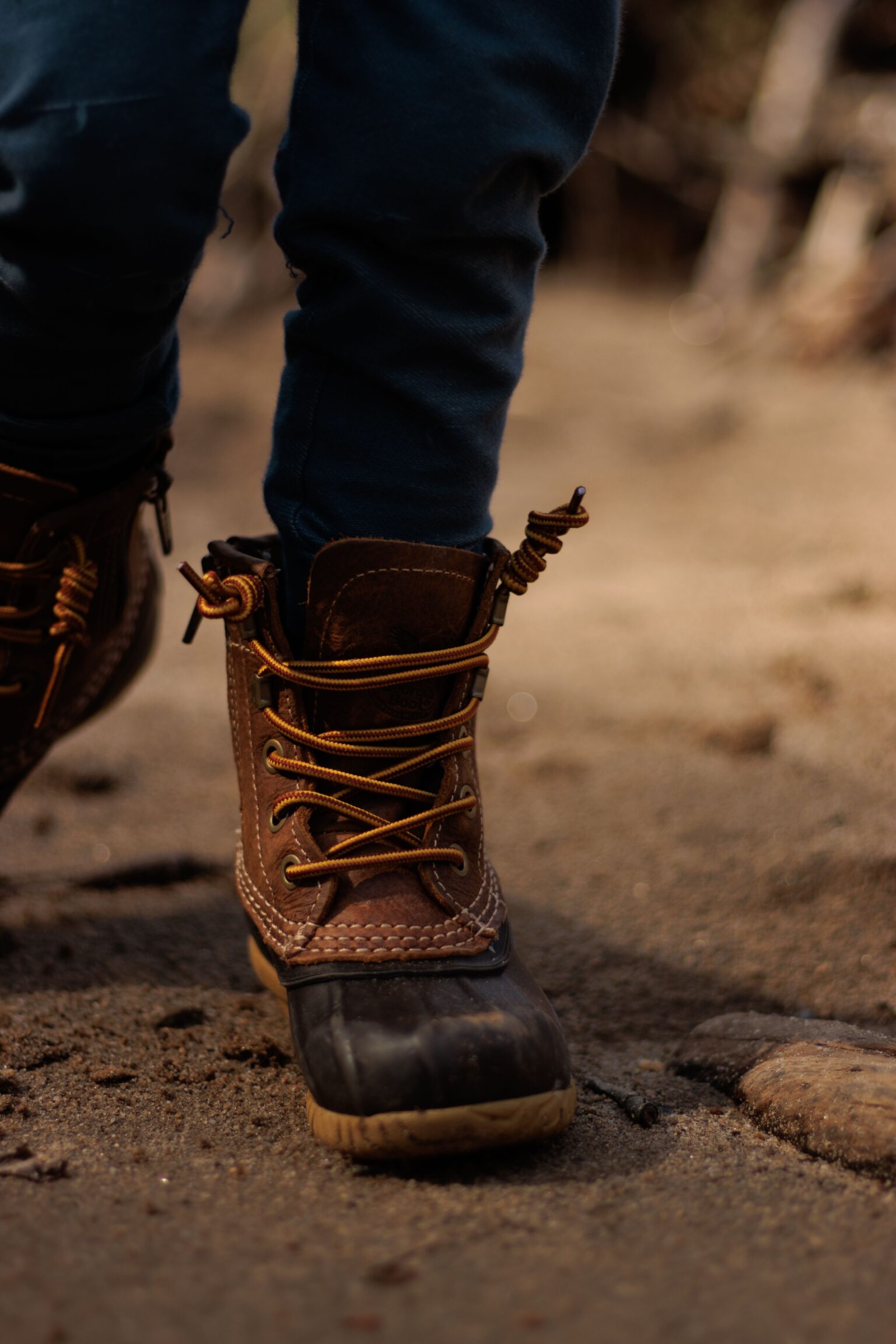
Kids hiking boots should fit with about a thumb’s width of space at the toe, have a flexible sole, and be light enough that your child does not complain about the weight. Buy them a half size up, not two sizes up, because oversized boots cause tripping and blisters. Most children between roughly 5 and 12 hike fine in mid-cut boots or sturdy trail shoes, and waterproofing is worth it only if you hike in wet or cold conditions. Because kids outgrow footwear in months, not years, the sensible approach is buying good enough rather than buying the most expensive pair available.
The hardest part of kids’ hiking boots is not choosing a model. It is accepting that they will fit for one season.
Do Kids Actually Need Hiking Boots?
Honestly, not always. Here is when they help.
| Situation | Boots needed? |
| Short walks on easy paths | No, sneakers are fine |
| Rocky or uneven trails | Yes, for grip and protection |
| Wet, muddy, or cold conditions | Yes, ideally waterproof |
| Longer hikes with real distance | Yes, for support |
| Hot, dry, easy trails | Trail shoes are better than boots |
| Carrying a small pack | Yes |
For a family walk on a groomed path, well-fitting sneakers with decent tread are genuinely adequate. Save the boots for real trails.
Getting the Fit Right
This is where almost all the value is, and where most parents go wrong.
The Thumb Rule
With the boot on and laced, press down at the toe. There should be about a thumb’s width of space between the longest toe and the end of the boot. That is roughly a half size of growing room.
Do Not Buy Two Sizes Up
It is tempting, because kids grow fast and boots are expensive. It is also the most common mistake.
Oversized boots cause:
- Tripping, because the foot moves inside the boot
- Blisters, from heel lift and sliding
- Bad ankle support, since the boot no longer holds the foot in place
- Complaints, and a child who does not want to hike again
A half size of growing room is right. More than that creates problems.
Check These Three Things
- Heel lift. Have your child walk. If the heel lifts noticeably out of the boot, it will blister.
- Toe room on a downhill. Walk them down a slope or ramp. Toes should not jam into the front.
- Width. Kids often have wider feet than adult lasts assume. If the boot pinches at the widest part of the foot, it is the wrong shape, and no amount of length will fix that.
Fit With Hiking Socks
Always fit boots with the socks your child will actually hike in, not thin school socks. The difference in volume is significant.
What Matters in a Kids Hiking Boot
Flexibility
Children’s feet are still developing and they walk differently than adults. A stiff, heavy mountaineering-style boot is wrong for a child. Look for a sole that flexes at the ball of the foot.
Weight
Light matters more for kids than for adults, proportionally. Heavy boots on small legs mean a tired, unhappy child within a mile.
Easy Fastening
Younger children struggle with laces. Options that help:
- Hook-and-loop straps for the youngest
- Bungee or quick-lace systems for middle ages
- Traditional laces once they can tie them reliably
There is a practical argument for the child being able to fasten their own boots, and a safety one too, since a loose boot on a trail is a trip hazard.
Grip
A proper lugged rubber outsole is the main functional advantage over sneakers. It is the thing that keeps them upright on loose ground.
Ankle Height
Mid-cut is the sensible default. It keeps grit out and gives some support without restricting a child’s natural movement. High-cut boots are rarely necessary for kids.
Waterproof or Not?
The same logic as adult boots, with one addition.
Buy waterproof if: you hike in rain, mud, snow, or cold. Wet feet make children miserable faster than they make adults miserable, and a cold, wet child will end the hike for everyone.
Skip waterproof if: you hike mostly in hot, dry weather. Breathable shoes are cooler and dry faster.
The addition: children puddle-stomp. If your child is the kind who walks directly into every puddle, waterproof boots buy you a much better day out.
Managing the Cost of Growing Feet
Kids outgrow boots in months. Some ways to handle it:
- Buy mid-range, not premium. A very expensive boot outgrown in five months is poor value.
- Buy at the end of the season when prices drop, sizing up appropriately for next year.
- Check secondhand. Kids’ outdoor gear is often barely worn, since it is outgrown before it wears out.
- Hand down between siblings, but check the tread and the midsole are not compressed flat.
- Measure feet before every season. Do not assume last year’s size.
⚠️ YOUR PRODUCT PICKS GO HERE
Insert your tested recommendations with affiliate links. Suggested structure:
| Category | Your pick |
| Best overall kids hiking boot | |
| Best budget option | |
| Best waterproof pick | |
| Best for wide feet | |
| Best easy-fasten for younger kids | |
| Best lightweight trail shoe alternative |
For each, note the age range it suits, whether it runs narrow or wide, and one honest limitation.
Brands making well-regarded kids hiking footwear include Merrell, KEEN, Salomon, Columbia, Oboz, and Timberland. Verify current models and prices before publishing, as children’s lineups change frequently.
Getting Kids to Actually Wear Them
A practical note that matters more than specs.
- Break them in at home before the first hike. A few days of wearing them around the house.
- Let the child have a say in the color or style. Buy-in reduces resistance enormously.
- Pack spare socks. Changing into dry socks mid-hike fixes a lot of complaints.
- Check for hot spots at the first break, not after the child is already crying.
FAQ
What size hiking boots should I buy for my child? Buy with about a thumb’s width of space at the toe, which is roughly a half size of growing room. Avoid buying two sizes up, since oversized boots cause tripping, heel lift, and blisters, and they undermine the ankle support you bought the boots for.
Do kids really need hiking boots? Not for easy paths, where well-fitting sneakers with good tread work fine. Boots become worthwhile on rocky, uneven, wet, or longer trails, where grip, foot protection, and support genuinely matter.
Should kids hiking boots be waterproof? If you hike in rain, mud, snow, or cold weather, yes, because cold wet feet end a child’s hike quickly. In hot, dry conditions, breathable non-waterproof shoes are cooler and dry faster, so waterproofing is less useful.
How often do kids need new hiking boots? Often, since children’s feet grow quickly and boots typically fit for a single season or less. Measure your child’s feet before each hiking season rather than assuming last year’s size still works.
Are hiking boots or trail shoes better for kids? Trail shoes are lighter and cooler, and they suit dry, easier trails. Mid-cut boots are better for rocky terrain, wet conditions, and longer hikes. For most families, a mid-cut boot is the more versatile choice.
Your Next Step
Measure your child’s feet before you shop, because they have almost certainly changed since last season, and take them along to try boots on with real hiking socks.
Then break the boots in at home for a few days before the first trail. Most kids’ hiking complaints come down to fit and unfamiliarity, and both are solved before you leave the house rather than a mile into the woods.