


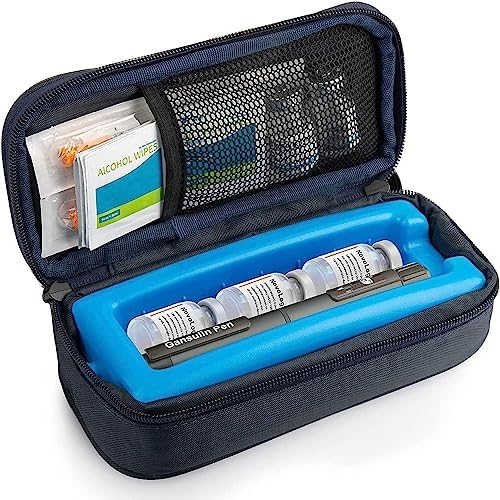
An insulin travel cooler is a small insulated case that keeps insulin at a safe temperature while you travel. Unopened insulin needs about 36 to 46 degrees Fahrenheit. In use insulin usually just needs protection from heat.
The right cooler depends on your trip. A short day trip needs far less than a week abroad in summer.
This guide covers the cooler types the TSA rules and how to pack so your insulin stays good the whole way.
Why Insulin Needs a Cooler
Insulin is sensitive to temperature. Too hot and it breaks down. Too cold and it freezes which ruins it too.
Here are the basics most people need to know:
- Unopened insulin is stored in the fridge at about 36 to 46 degrees F
- In use insulin can usually stay at room temperature for around 28 days
- Exact times vary by brand so check your product insert
- Heat above about 86 degrees F can damage insulin faster
- Frozen insulin should never be used even after it thaws
That last point matters more than people think. This is exactly why insulin should never go in checked luggage.
Never Put Insulin in Checked Bags
This is the single most important rule. Cargo holds can get cold enough to freeze insulin. Frozen insulin loses its strength and cannot be used.
Checked bags also get lost. Then you are in a new city with no medication.
Always keep insulin in your carry on. Keep it with you not in the overhead bin if you can.
Types of Insulin Travel Coolers
Not every cooler suits every trip. Here is how the main types compare.
| Cooler type | How it works | Cooling time | Best for |
|---|---|---|---|
| Evaporative wallet | Soak in water and gel activates | Around 45 hours | Day trips and heat protection |
| Gel or ice pack case | Pre frozen packs keep it cold | Roughly 4 to 35 hours | Flights and short trips |
| Battery powered cooler | Actively chills like a mini fridge | About 24 to 72 hours per charge | Long trips and hot climates |
| Basic insulated pouch | Simple insulation only | A few hours | Short errands and commutes |
Evaporative wallets are light and need no power. They protect from heat but do not truly refrigerate.
Battery coolers are the only type that holds real fridge temperature. They cost more and weigh more but they are worth it for long trips.
Which One Should You Pick?
Match the cooler to the trip length.
- A few hours in the heat. An evaporative wallet is enough.
- One to three days. A gel pack case works well.
- A week or more or a hot country. Go with a battery powered cooler.
- Hotel stay. Ask if your room has a fridge and use it for spare supplies.
TSA Rules for Flying With Insulin
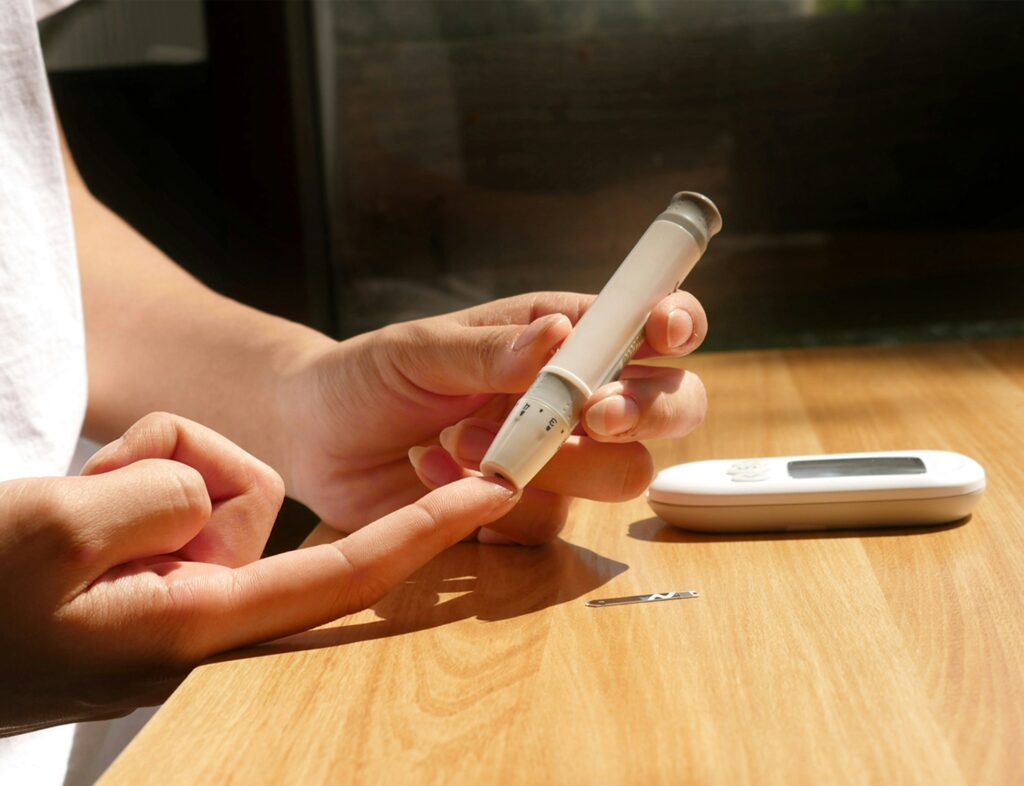
Good news. TSA rules are friendly to people with diabetes. You have more room here than with normal liquids.
Here is what you need to know:
- Insulin and diabetes supplies are exempt from the 3.4 ounce liquid limit
- There is no quantity limit on medically necessary liquids in carry on
- Ice packs and gel packs are allowed when they cool medication
- You must declare them at the checkpoint
- A doctor’s note is not required for domestic US flights though it can help abroad
- You can ask for a hand inspection instead of the X ray
One practical tip. Make sure gel packs are fully frozen when you reach security. Partly melted packs sometimes get extra questions. Fully frozen ones move through easily.
How to Pack Your Insulin for a Trip
A little prep saves a lot of stress. Follow this order.
- Freeze your gel packs the night before for 8 to 12 hours.
- Pack insulin in your carry on never in a checked bag.
- Bring extra supplies. Pack more than you think you need in case of delays.
- Split your supply. Keep some in a second bag with a travel partner if you can.
- Add a wrap or cloth between the ice pack and the insulin so it does not freeze.
- Keep the original packaging with the pharmacy label on it.
- Declare it at security and mention the cooling packs.
- Never leave it in a hot car even for a few minutes.
That barrier between ice pack and insulin is easy to forget. Direct contact with a frozen pack can freeze your insulin and ruin it.
Extra Tips for Long Trips
Some situations need a bit more planning. These tips help on longer journeys.
- Ask your hotel about a room fridge before you book
- Carry a letter from your doctor for international trips
- Bring a small sharps container for used needles
- Pack a backup pen or vial in a separate bag
- Check the power outlet type if you use a battery cooler abroad
- Watch the temperature display if your cooler has one
If you cross time zones talk to your doctor before you go. They can help you plan your dose timing.
Frequently Asked Questions
Is an insulin travel cooler TSA approved?
Most insulin travel coolers are allowed through TSA. Medically necessary liquids and cooling packs are permitted in carry on when you declare them at the checkpoint. Officers may inspect the cooler which is normal.
Can I bring ice packs for insulin on a plane?
Yes. TSA allows ice packs gel packs and freezer packs when they keep medication cold. Declare them at security. Make sure they are fully frozen since partly melted packs may get extra screening.
How long can insulin stay out of the fridge?
In use insulin can usually stay at room temperature for about 28 days. Unopened insulin should stay refrigerated between 36 and 46 degrees F. Times vary by product so check your insert and ask your pharmacist.
Can I put insulin in checked luggage?
No. Cargo hold temperatures can freeze insulin and frozen insulin should not be used. Checked bags can also be delayed or lost. Always keep insulin in your carry on bag.
Final Take
An insulin travel cooler is small gear that protects something essential. Match the type to your trip length keep it in your carry on and declare your cooling packs at security.
Your next step is quick. Check how long your trip is and pick the cooler type that matches. Then freeze your gel packs the night before you fly so you leave home ready.
This article is general travel guidance and not medical advice. Always follow the storage instructions for your specific insulin and ask your doctor or pharmacist about your situation.