


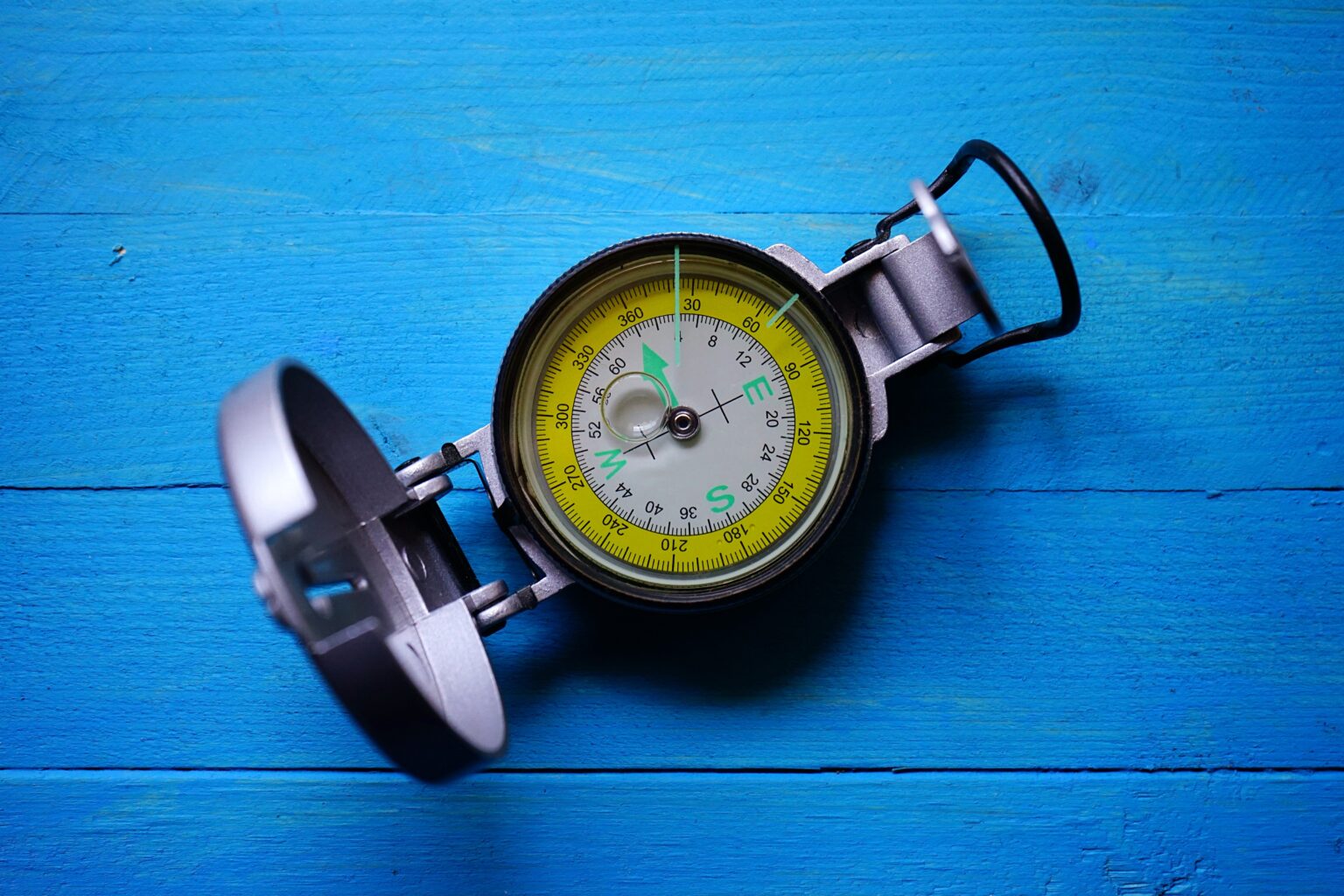
Whether you’re hiking through a national park, exploring backcountry trails, or preparing for an outdoor adventure, navigation is a skill that should never be overlooked. While GPS devices and smartphone apps have become common tools for finding directions, they aren’t always reliable in remote locations. That’s where a compass becomes invaluable.
Learning how to use a compass can help you stay oriented, travel with confidence, and avoid getting lost when technology isn’t available. Combined with a map, a compass remains one of the most dependable navigation tools for outdoor enthusiasts across the United States.
Why Every Outdoor Enthusiast Should Carry a Compass
Many people assume a compass is outdated, but experienced hikers and survival experts know otherwise. Cell service can disappear in mountainous regions, batteries can die unexpectedly, and electronic devices can fail in harsh weather conditions.
A compass works without electricity and provides a reliable way to determine direction. Once you understand the basics, it becomes an easy and practical skill that can serve you for years.
Understanding the Main Parts of a Compass
Before heading outdoors, it’s important to become familiar with the parts of your compass.
Magnetic Needle
The needle automatically aligns with Earth’s magnetic field and points toward magnetic north.
Rotating Bezel
This circular ring contains degree markings that help you set and follow bearings.
Direction-of-Travel Arrow
This arrow indicates the direction you should move once your bearing has been established.
Baseplate
The transparent base allows you to use the compass directly on topographic maps.
Understanding these components is the first step toward learning how to properly use a compas in real-world situations.
How to Use a Compass for Basic Navigation
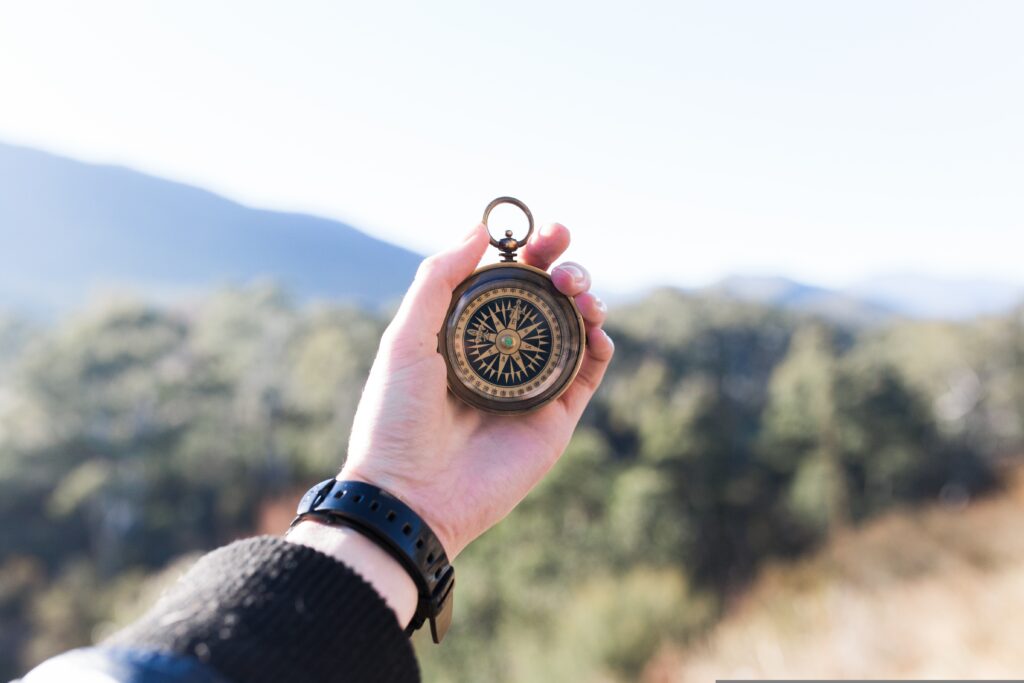
If you’ve never used a compass before, don’t worry. The process is easier than most beginners expect.
Hold It Flat
Place the compass in your hand and keep it level. This allows the needle to move freely.
Locate North
Wait for the needle to settle. The marked end will point toward magnetic north.
Align the Needle
Turn your body until the magnetic needle lines up with the orienting arrow inside the compass housing.
Follow Your Direction
Once aligned, use the direction-of-travel arrow to determine where to go.
This simple exercise helps you understand how to use a compass before moving on to more advanced navigation techniques.
Using a Map and Compass Together
Knowing direction is useful, but combining a compass with a map gives you a much clearer picture of where you are and where you’re going.
Many outdoor travelers consider map-and-compass navigation one of the most important wilderness skills. In fact, learning how to map read using a compass can dramatically improve your ability to travel safely in unfamiliar areas.
Place the Compass on the Map
Position the edge of the compass so it connects your current location with your intended destination.
Align the Map
Rotate the compass housing until the orienting lines match the north-south grid lines on the map.
Take a Bearing
Read the degree marking at the index line. This number represents your travel bearing.
Follow the Bearing in the Field
Turn your body until the compass needle aligns with the orienting arrow. The travel arrow will now point in the direction you should move.
With regular practice, understanding how to map read using a compass becomes much more intuitive.
Practical Compass Tips for Beginners
Reading instructions is one thing. Applying them outdoors is another. These practical tips can make navigation easier.
Use Landmarks
Instead of staring at your compass while walking, identify a tree, rock formation, or other visible object along your bearing and walk toward it.
Double-Check Your Direction
A small mistake can lead you far off course over long distances. Periodic checks help prevent navigation errors.
Stay Aware of Terrain
Use natural features such as rivers, ridges, and trails to confirm your location.
These habits are often overlooked but are essential when learning how to properly use a compas in the wilderness.
Common Compass Mistakes to Avoid
Even experienced hikers occasionally make navigation mistakes. Fortunately, most errors are easy to prevent.
Holding the Compass at an Angle
A tilted compass can produce inaccurate readings.
Standing Near Metal Objects
Phones, watches, vehicles, and power lines can interfere with the needle.
Ignoring Declination
Depending on your location, magnetic north and true north may differ. Understanding declination improves navigation accuracy.
Moving Too Quickly
Many people rush through the process instead of verifying their bearing before continuing.
Anyone learning how to use a compass should take the time to practice these fundamentals.
Building Confidence Through Practice
Like any outdoor skill, compass navigation improves with experience. Start in familiar areas such as local parks or nature preserves before attempting longer backcountry routes.
Practice setting bearings, identifying landmarks, and tracking your position on a map. The more frequently you use these techniques, the more comfortable you’ll become.
Many outdoor instructors recommend practicing how to map read using a compass on short day hikes before relying on those skills in remote environments.
The Benefits of Compass Navigation
There are several reasons why compass skills remain relevant today.
Improved Safety
A compass provides a dependable backup when technology fails.
Greater Self-Reliance
You’ll feel more confident exploring unfamiliar terrain.
Better Outdoor Awareness
Navigation encourages you to pay closer attention to landscapes and natural features.
A Skill That Lasts a Lifetime
Unlike electronic devices, the principles behind compass navigation remain the same year after year.
Understanding how to properly use a compas is not just about finding direction—it’s about becoming a more capable and prepared outdoor traveler.
Conclusion
Modern technology has made navigation easier, but it hasn’t replaced the value of traditional skills. Learning how to use a compass gives you a dependable way to stay oriented when electronic devices are unavailable or unreliable.
By practicing basic navigation techniques, studying maps, and gaining experience in the field, you’ll quickly become more comfortable with route finding. Whether you’re planning a weekend hike or a multi-day backpacking trip, knowing how to map read using a compass can make your adventures safer and more enjoyable.
The best time to learn is before you need the skill. Grab a map, pick up a compass, and start practicing today.