


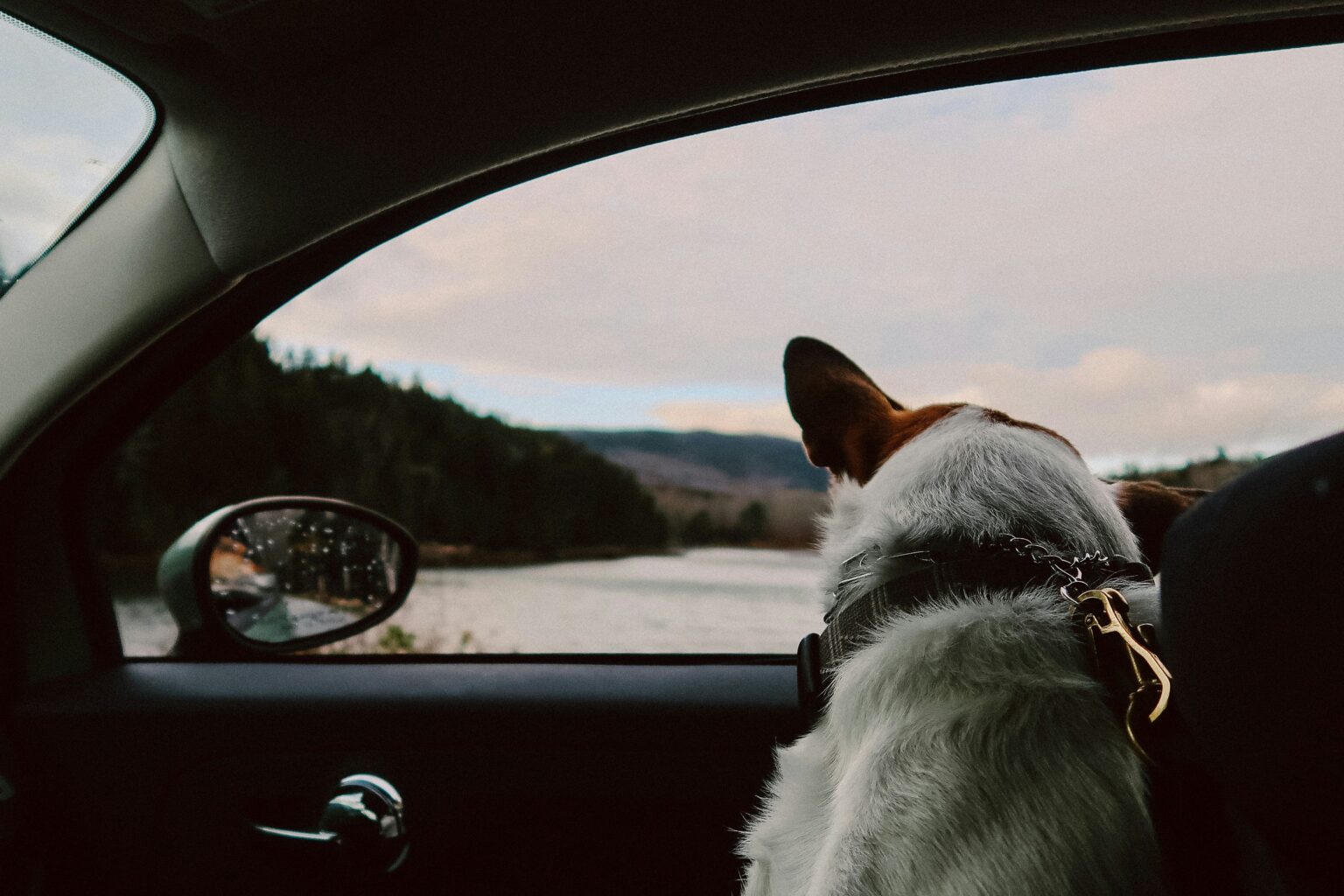
Traveling with pets can be safe and comfortable when you plan ahead. The best trip starts with the right documents the right carrier and a calm routine that fits your pet’s needs.
Why Pet Travel Needs Planning
Pets do best when their day feels predictable. New places loud sounds and long trips can make them nervous.
That is why good planning matters. It helps reduce stress for your pet and makes the trip easier for you too.
You should also think about the type of travel. A short car ride is very different from a long flight. The right preparation depends on where you are going and how you will get there.
Before You Leave
The first step is to visit your veterinarian. Make sure your pet is healthy enough for travel and ask whether any vaccines or health papers are needed.
Ask for a copy of your pet’s medical records. Keep them with you in case you need help during the trip.
It is also smart to check local rules for your destination. Some places have pet entry requirements and some hotels or rentals may have size or breed limits.
Important Items To Pack
- Food for the full trip.
- Water and a bowl.
- Leash and collar.
- Waste bags or litter supplies.
- Any medicine your pet needs.
- A favorite toy or blanket.
- Vaccination records and travel papers.
These small items can make your pet feel safe and help keep their normal routine.
Traveling By Car
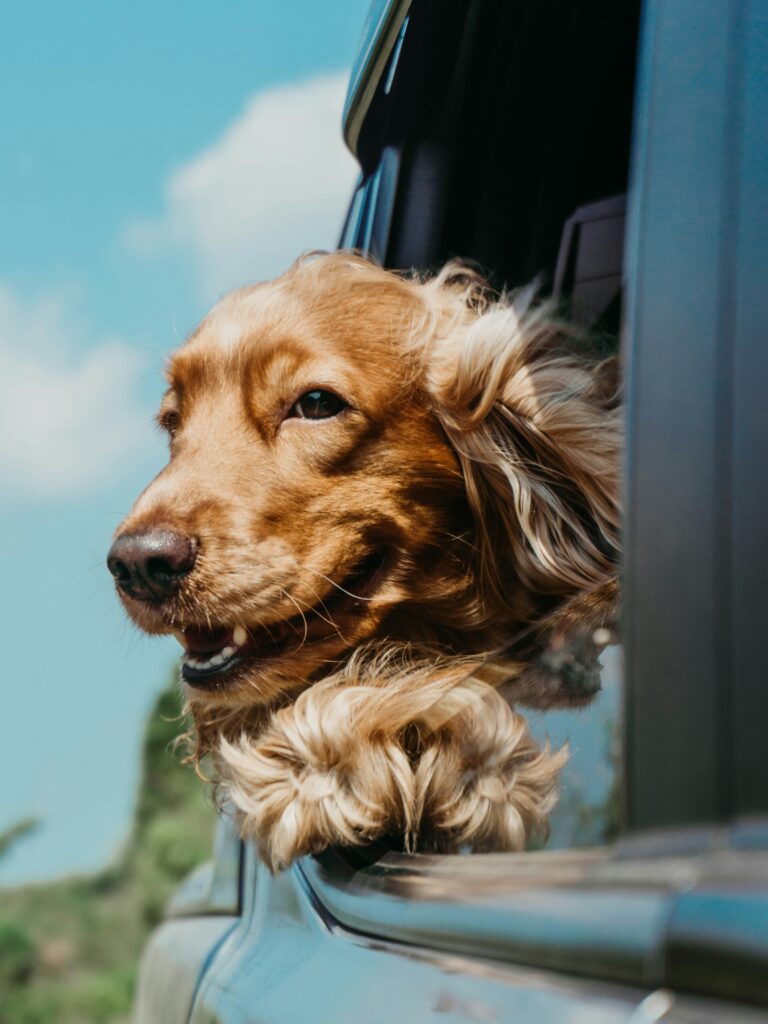
Car travel is often the easiest way to travel with pets. It gives you more control and lets you stop when needed.
Keep your pet secure in a crate carrier or a pet seat harness. This protects them if the car stops suddenly.
Do not let your pet ride with their head out of the window. It may look fun but it can be dangerous.
Car Travel Tips
Take short practice drives before a long trip if your pet is not used to car travel. This helps them feel more comfortable.
Stop every few hours so your pet can stretch use the bathroom and drink water. Try to keep the stops calm and not too long.
Never leave your pet alone in a parked car. The temperature inside a vehicle can rise very fast and become dangerous even on mild days.
Traveling By Plane
Air travel needs extra care. If possible choose a direct flight so your pet spends less time in transit.
Some small pets may be allowed in the cabin. Larger pets usually travel in the cargo hold if the airline permits it. Always check the airline’s pet policy before booking.
Ask the airline about carrier size rules health forms and check in steps. Each airline may have different requirements.
Flying Safety Tips
Use a sturdy airline approved carrier. It should be big enough for your pet to stand sit and turn around.
Label the carrier with your name your phone number and destination details. That helps if anyone needs to contact you.
Do not give your pet medicine unless a vet says it is safe. Sedation can be risky during flights.
Choosing Pet Friendly Places
Not every hotel or rental accepts pets. Look for pet friendly stays before you book.
Read the pet policy carefully. Some places allow only small pets and others charge extra cleaning fees.
Check nearby parks walking areas and veterinary clinics. These details matter once you arrive at your destination.
If you are traveling far from home find out where the nearest emergency vet is located. That gives you peace of mind.
Helping Your Pet Feel Calm
Pets feel better when they can smell and see familiar things. Bring a blanket toy or bed from home.
Keep feeding and walking times as close to normal as possible. A steady routine can reduce anxiety.
Speak in a calm voice and avoid rushing your pet through busy areas. Quiet and slow movement often helps more than force.
Signs Your Pet Is Stressed
- Heavy panting.
- Shaking.
- Refusing food.
- Whining or barking.
- Hiding or acting restless.
If you notice these signs give your pet a break and check whether they need water rest or a quieter space.
Health And Safety On The Trip
Keep your pet on a leash or in a carrier in public places. This lowers the risk of escape or injury.
Make sure your pet has ID tags and microchip information that is up to date. If your pet gets lost this can help bring them home faster.
Bring enough food for the whole trip if possible. A sudden switch to a new diet can upset your pet’s stomach.
Also carry fresh water when you can. Some pets do not drink as well when they are in new places.
When To Leave Your Pet At Home
Sometimes the best choice is not to travel with your pet. Long flights hot weather or crowded destinations may be too stressful.
If your pet gets very anxious or has health problems ask your vet whether staying home with a sitter or boarding service is better.
The safest plan is the one that keeps your pet healthy and calm. Not every trip is right for every animal.
Conclusion
Learning how to travel with pets is really about preparation care and patience. When you plan ahead your pet is more likely to stay safe and relaxed.
Check health needs choose the right carrier pack familiar items and keep a calm routine. Whether you travel by car or plane these simple steps can make the journey much easier.
A good pet trip should feel safe for you and comfortable for your animal. With the right planning your pet can enjoy the journey as much as the destination.