


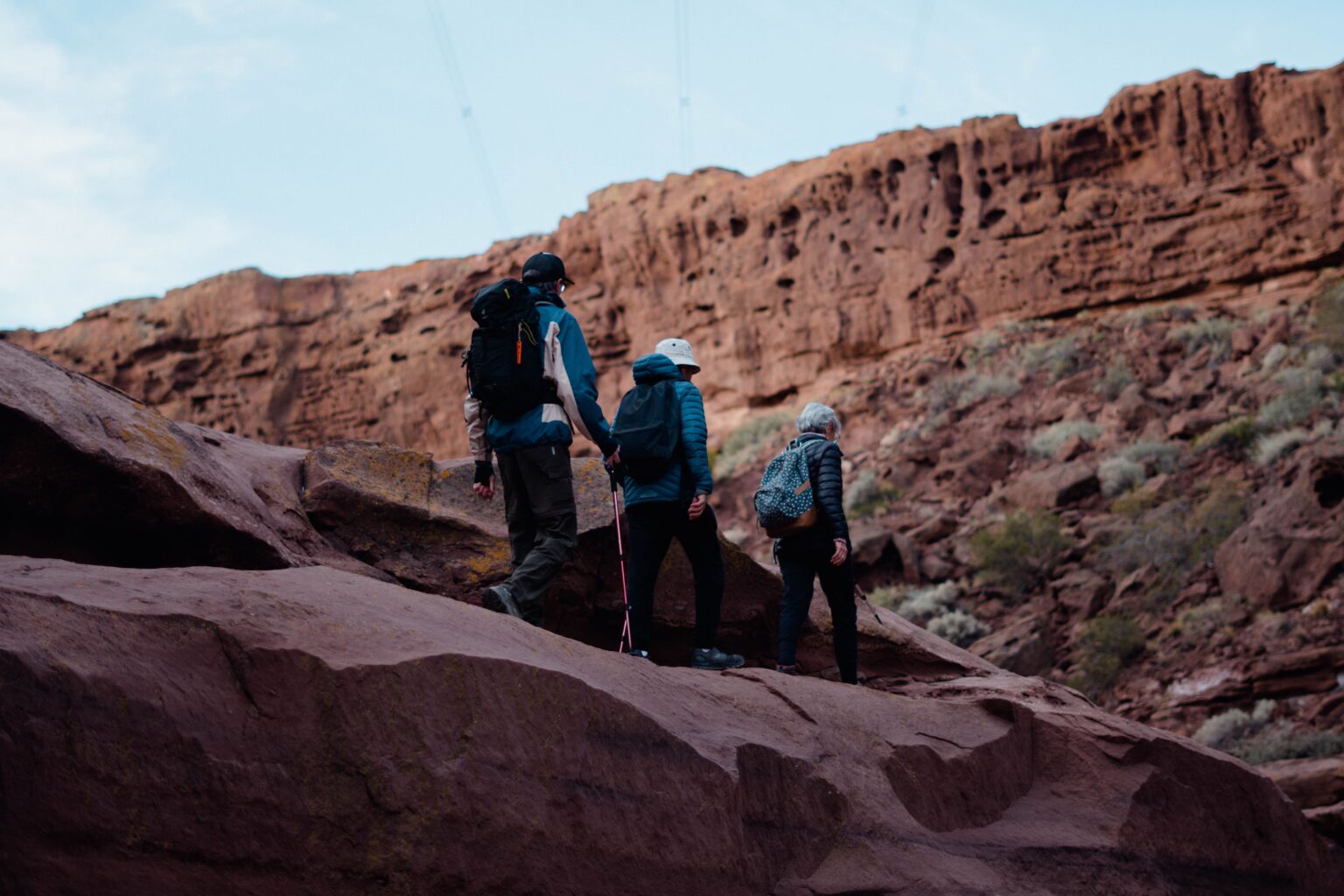
The best hiking trails in Sedona are Cathedral Rock, Devil’s Bridge, Bell Rock, and West Fork. Cathedral Rock is a short but steep scramble with the most famous view in town. Devil’s Bridge is a natural sandstone arch you can stand on. Bell Rock is easy and family-friendly. West Fork is a shaded creek walk, which matters in a place with almost no shade. Sedona has over 200 miles of trails across red rock desert, and most of the famous ones are under 5 miles round trip. The main challenges are heat, sun exposure, and parking, not distance.
Sedona hiking is deceptively hard. The trails are short, but they are steep, rocky, and exposed. Plan around the sun, not the mileage.
Quick Trail Comparison
| Trail | Distance (round trip) | Difficulty | Best for |
| Bell Rock Pathway | 1 to 4 miles | Easy | Families, first-timers |
| Cathedral Rock | About 1.2 miles | Hard, steep scramble | The iconic view |
| Devil’s Bridge | 4 to 5 miles | Moderate | Natural arch photo |
| West Fork Oak Creek | About 7 miles | Easy to moderate | Shade and water |
| Airport Mesa Loop | About 3.3 miles | Moderate | Sunset views |
| Boynton Canyon | About 6 miles | Moderate | Canyon scenery |
| Soldier Pass | About 4.5 miles | Moderate | Caves and sinkhole |
| Fay Canyon | About 2.4 miles | Easy | Short canyon walk |
| Broken Arrow | About 3.5 miles | Moderate | Slickrock and views |
| Doe Mountain | About 1.5 miles | Moderate | Big view, short climb |
| Bear Mountain | About 5 miles | Hard | Serious elevation gain |
| Little Horse | About 4 miles | Easy to moderate | Gentle red rock views |
The Big Four
1. Cathedral Rock
This is the shot you have seen. About 1.2 miles round trip, which sounds easy and is not.
The trail climbs steeply over slickrock with sections where you use your hands. There are painted markers on the rock showing the route. It is short, but it is a scramble.
Go at sunrise. The parking lot fills early, the rock gets brutally hot, and the light is best in the morning.
2. Devil’s Bridge
A natural sandstone arch you can walk out onto. The photo is worth the trip.
The catch is access. The standard trailhead has very limited parking, and the road to the closer trailhead requires a high-clearance vehicle. Most people park at Dry Creek and walk in, which makes it 4 to 5 miles round trip.
Expect a queue for the photo on the bridge in peak season.
3. Bell Rock
The easiest famous hike in Sedona. The pathway around the base is flat and wide, suitable for almost anyone.
You can also scramble partway up the rock itself, which gets harder the higher you go. Stop when it stops being fun. There is no summit trail.
4. West Fork of Oak Creek
Completely different from the rest of Sedona. A shaded canyon walk along a creek, with multiple crossings.
This is the trail to do when it is hot. It is also the best fall color hike in the area, usually in late October and early November.
There is a small entry fee and the parking lot fills fast.
The Best Trails by Type
Best for Families
- Bell Rock Pathway. Flat, wide, and scenic.
- Fay Canyon. Short, easy, and shaded in parts.
- Little Horse. Gentle grade with great views.
Best for a Serious Workout
- Bear Mountain. The hardest common hike in Sedona, with steep sustained climbing.
- Cathedral Rock. Short but genuinely steep.
- Doe Mountain. A quick, sharp climb to a flat mesa top.
Best for Sunset
- Airport Mesa Loop. The classic sunset spot, and it gets crowded.
- Doe Mountain. Fewer people, similar payoff.
Best When It Is Hot
- West Fork. Shade and water.
- Anything early in the morning. There is no other shade strategy in Sedona.
When to Hike in Sedona
| Season | Conditions |
| Spring (March to May) | Ideal. Warm days, cool nights. Peak season and busy |
| Summer (June to August) | Dangerously hot midday. Hike at dawn only |
| Fall (September to November) | Excellent. Fall color at West Fork late in the season |
| Winter (December to February) | Cool and quiet. Occasional snow on the red rocks, which is spectacular |
Spring and fall are best. Summer hiking in Sedona is a genuine heat risk, not an inconvenience. Start at sunrise and be finished by mid-morning.
Parking and Permits
This is the part that ruins most Sedona trips.
- A Red Rock Pass is required at many trailheads. Buy it in advance or at a machine on site.
- Popular trailheads fill by 8am in peak season, sometimes earlier.
- Devil’s Bridge access is the most common problem. The closest trailhead needs a high-clearance vehicle.
- A free shuttle runs to several busy trailheads in peak season, and it is often faster than hunting for parking.
Check the current shuttle routes and pass rules on the official Coconino National Forest site before you go, since these change.
What to Bring
- More water than you think. Two liters minimum for anything over 2 miles.
- Sun protection. Most trails have zero shade.
- Real shoes with grip. Slickrock is slippery in smooth-soled shoes.
- Offline maps. Signal drops in the canyons.
- Start early. This is the single most useful piece of advice for Sedona.
FAQ
What is the best hiking trail in Sedona? Cathedral Rock is the most famous, with the iconic view, though it is a short steep scramble rather than a walk. For an easier option with big scenery, Bell Rock Pathway is the best pick. For shade and water, West Fork of Oak Creek is the standout.
How hard are Sedona hikes? Shorter than they look and harder than they sound. Most famous trails are under 5 miles round trip, but they are steep, rocky, and completely exposed to the sun. Judge by elevation gain and heat, not distance.
Do I need a permit to hike in Sedona? Many trailheads require a Red Rock Pass, which you can buy online or at machines on site. Some trailheads also require parking fees. Rules and shuttle routes change, so check the Coconino National Forest website before your trip.
When is the best time to hike in Sedona? Spring and fall are ideal, with warm days and cool nights. Summer is dangerously hot in the middle of the day, so hike at dawn if you go then. Winter is quiet and cool, and snow on red rock is spectacular when it happens.
Which Sedona trail has shade? West Fork of Oak Creek is the main shaded hike, following a creek through a canyon. Fay Canyon and Boynton Canyon have partial shade. Nearly everything else is fully exposed.
Your Next Step
Pick one hard trail and one easy trail, then do the hard one at sunrise on your first morning. Cathedral Rock plus Bell Rock is the classic pairing and covers both ends.
Before you drive to any trailhead, check the shuttle schedule and whether you need a Red Rock Pass. Parking, not fitness, is what stops most people from hiking what they planned in Sedona.