


Gardening is one of the easiest and happiest hobbies you can try at home. You do not need a big yard or special skills to begin. With a little care and patience, even a small pot can grow into something beautiful. This guide shares simple ideas that help new gardeners feel confident and enjoy the process.
Choose a Good Place
The first step is to find the right spot for your plants. Some plants need lots of sunlight, while others grow better in shade. Before you plant anything, look at your space during the day and notice where the sun shines most.
If you are just starting, do not try to grow too many things at once. A few pots on a balcony, a small garden bed, or even a sunny windowsill is enough. Starting small makes gardening easier and less stressful.
Pick Easy Plants First
It is always smart to begin with plants that are simple to care for. Herbs like mint, basil, and coriander are good choices. Flowers such as marigolds and sunflowers are also nice for beginners because they grow quickly and are fun to watch.
When you start with easy plants, you learn faster. You also feel more excited when you see them grow well. This gives you confidence to try more plants later.
Learn About Soil
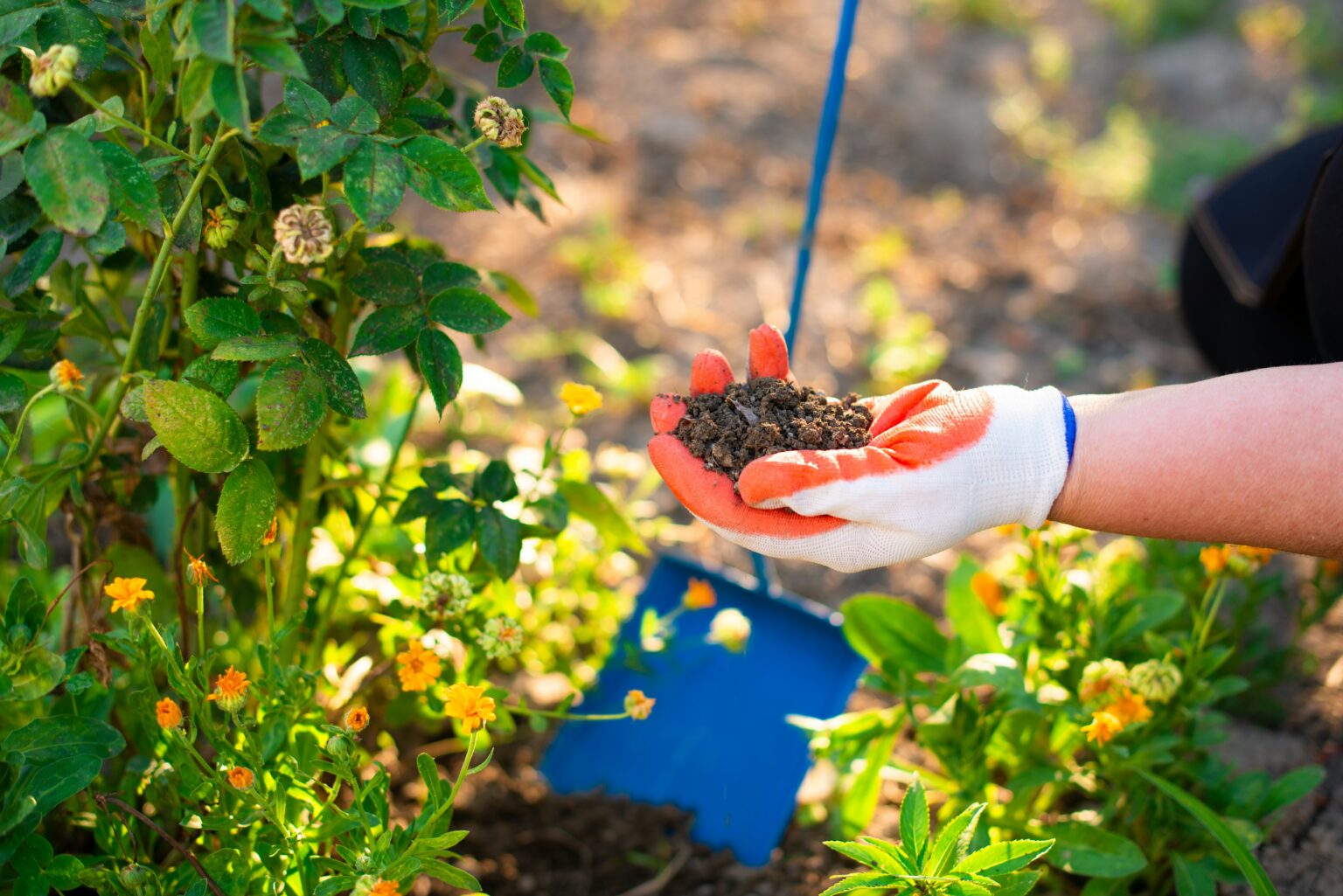
Soil is very important because it gives plants the support and food they need. Healthy soil helps roots grow strong. Before planting, check if your soil is soft, loose, and able to drain water properly.
If your soil feels hard or dry, mix in compost or fresh garden soil. This can improve it and help your plants grow better. Good soil is one of the most useful things to understand when you begin gardening.
Water with Care
Many new gardeners make the mistake of watering too much. Plants do need water, but their roots can get damaged if the soil stays too wet. A simple rule is to check the soil before watering. If the top layer feels dry, it is usually time to water.
Water slowly so it reaches the roots. Early morning is often the best time to water because the sun is not too strong. This helps the plant absorb moisture without losing too much to heat.
Give Plants the Right Food
Plants also need nutrients to stay healthy. Compost and organic fertilizer are both good options. They help improve the soil and give plants extra strength to grow.
Do not use too much fertilizer at once. A small amount is often enough. Feeding plants in a simple and steady way is better than giving too much and causing harm.
Watch for Pests
Tiny bugs and insects can sometimes damage plants. If you notice holes in leaves, sticky spots, or strange marks, check your plant closely. Catching problems early makes them easier to fix.
You do not always need strong chemicals. In many cases, you can wash the plant with water, remove damaged leaves, or use natural solutions like neem oil. Careful watching is a big part of successful gardening.
Try Greenhouse Gardening
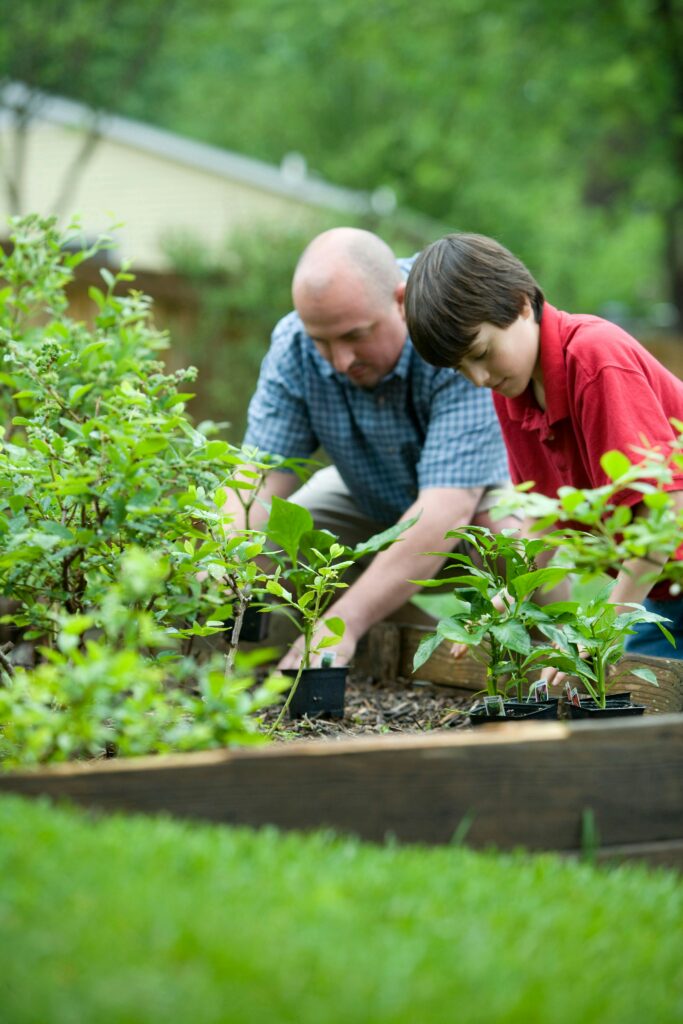
A greenhouse gives plants a safe place to grow. It protects them from heavy rain, strong wind, and cold weather. It can also help you grow plants for a longer time during the year.
If you want to try greenhouse gardening, keep the space clean and airy. Open vents or windows when it gets too hot. Also check the moisture level often, because greenhouse plants may dry out or get too wet if you are not careful.
Keep the Air Moving
Fresh air helps plants stay healthy. If a greenhouse has no airflow, it can become too hot and damp. That can lead to plant problems like mold or weak growth.
Good ventilation is easy to manage if you check it regularly. Even a small greenhouse works better when air can move freely. This is one of the most helpful things to remember.
Build a Simple Habit
Gardening works best when you do a little bit often. You do not need to spend all day in the garden. Just checking your plants regularly, removing dead leaves, and watering when needed can make a big difference.
You can also keep a small notebook. Write down what you planted, when you watered, and how the plants looked. Over time, this helps you learn what works best in your garden.
Common Mistakes to Avoid
One common mistake is planting too many things at once. This can make the work confusing and tiring. Another mistake is watering without checking the soil first.
It is also important not to ignore sunlight. Some plants need more light than others, so always pay attention to where you place them. When you avoid these small mistakes, gardening becomes much easier.
FAQs
How do I start gardening as a beginner?
Start with a few easy plants, good soil, and a small space. Learn one step at a time and do not rush the process.
How often should I water plants?
Water depends on the plant, weather, and soil, but it is best to check the soil first. If the top is dry, watering is usually needed.
What are greenhouse gardening tips for new gardeners?
Keep the greenhouse airy, watch the temperature, and make sure plants do not get too much or too little moisture. Regular checks help a lot.
Why do my plants need compost?
Compost helps improve soil and gives plants useful nutrients. It supports healthy growth in a natural way.
Can I garden in a small space?
Yes, you can garden in pots, containers, balconies, or a small corner. Even a tiny space can grow herbs and flowers very well.
Final Thoughts
Gardening is not about being perfect. It is about learning, trying, and enjoying the beauty of growing something with your own hands. Start small, be patient, and care for your plants regularly.
With time, your garden will teach you many lessons. The best part is that every small effort can bring something green, fresh, and alive into your home.