


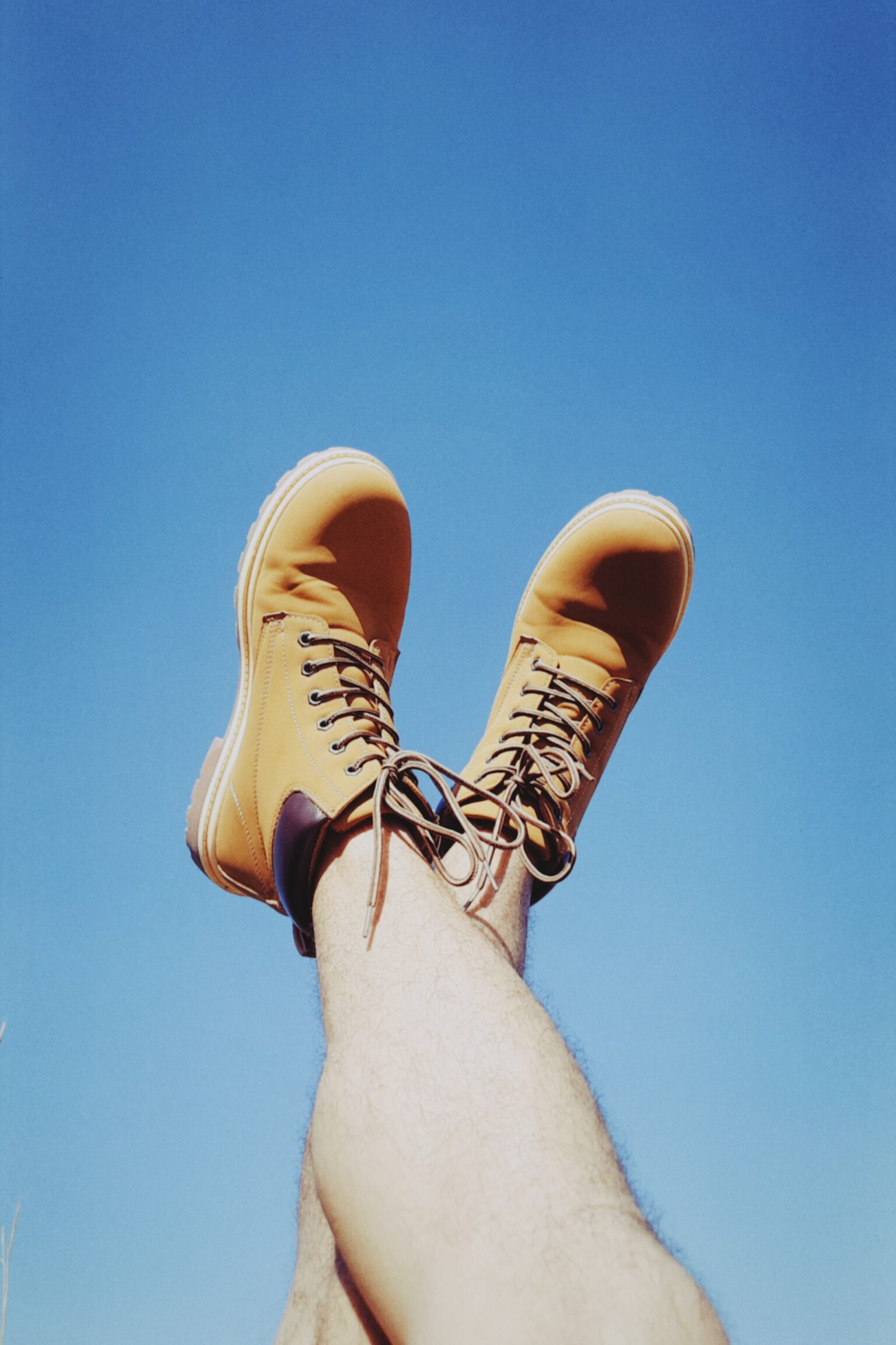
Cheap hiking boots can absolutely work for day hiking, provided you compromise on the right things. Spend your money on fit, the outsole grip, and a midsole that does not feel like flat foam. Compromise on brand name, waterproof membrane branding, weight, and long-term durability. A budget boot that fits properly will outperform an expensive boot that does not, every single time. The realistic tradeoff is lifespan: a cheap boot may last one or two seasons of regular hiking rather than five, which is fine if you are hiking occasionally.
Expensive boots are not a scam, but most of what you pay extra for is durability and weight savings, not basic function on a day hike.
What You Can Safely Compromise On
| Feature | Can you skimp? | Why |
| Brand name | Yes | You pay a premium for the logo |
| Named waterproof membrane | Yes | In-house membranes work comparably |
| Weight | Yes | Heavier is more tiring but not unsafe |
| Long-term durability | Yes, if hiking occasionally | Fewer seasons of life |
| Fancy lacing systems | Yes | Regular laces work fine |
| Ultralight materials | Yes | Only matters over big mileage |
What You Should Never Skimp On
1. Fit
This is not negotiable at any price. A boot that rubs, pinches, or lets your heel lift will ruin every hike you take in it.
Non-negotiables:
- Thumb-width space at the toe
- No heel lift when you walk
- No pinching at the widest part of the foot
- Try them on in the afternoon, wearing hiking socks
A £40 boot that fits beats a £200 boot that does not. This is the whole reason budget boots are viable.
2. Outsole Grip
The tread is what keeps you upright. A boot with a hard, shallow, plasticky sole is genuinely unsafe on wet rock or loose ground.
Look for: a rubber outsole with defined lugs that you can feel flex slightly. Avoid soles that feel hard and slick to the touch.
3. A Midsole With Some Structure
The midsole is the cushioning layer. On very cheap boots it is often thin flat foam that compresses immediately, leaving you feeling every rock.
Test: press your thumb into the midsole. If it feels like packing foam and does not spring back, walk away.
How to Spot a Bad Budget Boot
Warning signs, in rough order of importance:
- The sole flexes in the middle, twisting easily when you wring the boot like a towel. It should resist.
- Visible glue seepage around the sole join, which suggests poor assembly.
- A hard, shiny outsole with shallow tread.
- No structure at the heel. Squeeze the heel cup. It should hold its shape, not collapse.
- Stiff, unpadded tongue or thin ankle padding, both of which cause rubbing.
- Sizing described only as small, medium, large, rather than actual shoe sizes.
- Marketed as “waterproof” with no explanation of how, on a very low price point.
Where the Real Savings Are
You often do not need to buy a cheaper boot. You need to buy a good boot cheaply.
Best value strategies:
- Buy last season’s model. Manufacturers update lines annually with small changes. Last year’s model is frequently discounted heavily and is functionally identical.
- Shop end-of-season sales, typically late summer for the outdoor season and post-winter for insulated boots.
- Consider trail shoes instead of boots. They are usually cheaper and, for dry easy trails, better anyway.
- Check outlet stores from major outdoor brands.
- Skip waterproofing if you hike in dry conditions. Non-waterproof versions of the same boot are typically cheaper.
That last point is worth emphasizing. If you hike in dry weather, the non-waterproof version is cheaper, breathes better, and dries faster. You save money by buying the more appropriate boot.
Boots vs Trail Shoes on a Budget
For budget buyers, trail shoes deserve serious consideration.
| Budget boots | Budget trail shoes | |
| Price | Higher | Lower |
| Best for | Rough, wet, cold terrain, heavier loads | Dry, maintained trails, day hikes |
| Break-in | Needed | Minimal |
| Drying speed | Slow | Fast |
| Ankle support | Some | Little |
If your hiking is mostly day trips on decent trails in dry weather, a good budget trail shoe often beats a cheap boot at the same price.
What Cheap Boots Genuinely Cannot Do
Being honest about the limits:
- They will not last as long. Expect fewer seasons before the midsole compresses and the tread wears.
- They are usually heavier, which matters on long days.
- Waterproofing tends to fail sooner.
- They are not suitable for heavy backpacking loads or serious mountaineering, where boot failure has real consequences.
For day hiking a few times a month, none of that is disqualifying. For multi-week trekking with a heavy pack, spend more.
⚠️ YOUR PRODUCT PICKS GO HERE
Insert your tested recommendations with affiliate links. Suggested structure:
| Category | Your pick |
| Best cheap hiking boot overall | |
| Best budget waterproof boot | |
| Best budget trail shoe alternative | |
| Best cheap boot for wide feet | |
| Best budget women’s boot | |
| Best value last-season model |
For each, note the fit character, what it does well for the price, and one honest limitation. Budget gear reviews that admit the compromises build far more trust than those that pretend there are none.
Brands with well-regarded budget hiking footwear include Merrell, Columbia, Hi-Tec, Skechers, and various retailer in-house outdoor lines. Verify current models and prices before publishing.
Making Cheap Boots Last
- Clean them after every muddy hike. Dirt degrades materials and blocks breathability.
- Dry at room temperature, never on a radiator. Heat destroys the glue holding the sole on, and this is what kills budget boots first.
- Remove insoles to dry.
- Replace the insoles. A better aftermarket insole is a cheap upgrade that improves comfort noticeably.
- Reapply water repellent when water stops beading.
The insole swap is the highest-value cheap upgrade. Stock insoles on budget boots are usually thin and flat, and replacing them costs little.
FAQ
Are cheap hiking boots any good? For day hiking, yes, provided they fit well and have a proper lugged rubber outsole. Fit matters far more than price. The realistic compromise is lifespan and weight, not basic safety, though very cheap boots with hard slick soles should be avoided.
How much should I spend on hiking boots? Enough to get proper fit, a grippy rubber outsole, and a midsole with real structure. Beyond that, extra spending mostly buys durability and lighter weight. Occasional day hikers can spend far less than regular backpackers and be perfectly well served.
What is the difference between cheap and expensive hiking boots? Mainly durability, weight, and materials. Expensive boots typically last more seasons, weigh less, use better waterproof membranes, and hold up under heavy loads. For occasional day hiking on maintained trails, a well-fitting budget boot performs the same job.
Should I buy cheap boots or cheap trail shoes? If you hike mostly on dry, maintained trails without a heavy pack, budget trail shoes are usually the better buy. They cost less, need no break-in, and dry faster. Boots are worth it for rough, wet, or cold terrain and heavier loads.
How can I make budget hiking boots more comfortable? Replace the stock insole, which is usually thin and flat on cheap boots. It is an inexpensive upgrade that noticeably improves comfort. Also make sure you are wearing proper wool or synthetic hiking socks, not cotton.
Your Next Step
Before you shop by price, go and try boots on in person, even if you intend to buy online afterwards. Knowing your true size and which brands suit your foot shape is what makes budget buying work.
Then look for last season’s model of a well-reviewed boot rather than the cheapest new boot on the shelf. You get proper construction at a discount price, which is a better deal than genuinely cheap footwear.