


Canada warns travelers about Morocco because of rising petty crime, armed robbery, and unrest near the Algerian border. The US State Department has similar guidance. Morocco is still open to tourists. But both countries want travelers to take extra care in certain areas.
If you have a trip to Morocco planned, this does not mean you should cancel it. It means you should know where the real risks are, and how to avoid them.
Why Canada Issued a Morocco Travel Warning
Canada updated its Morocco advisory in April 2026. The update tells Canadians to “exercise a high degree of caution.”
The advisory points to a few specific problems:
- Petty theft, including pickpocketing and bag snatching
- Armed robberies in some areas
- Credit and debit card fraud
- Terrorism risks that have targeted foreigners in the past
- Unrest near the Algeria-Morocco border
This is not a “do not travel” order. Canada uses a tiered system. “Exercise a high degree of caution” is the second tier out of four. It means stay alert, not stay home.
Canada and US Issued Morocco Travel Warnings Over Security Risks
Canada and US issued Morocco travel warnings over security risks around the same time, and the guidance lines up closely. The US State Department also lists Morocco at Level 2: Exercise Increased Caution. That is the same tier Canada uses.
Both countries flag the same core issues:
| Risk Type | Canada Guidance | US Guidance |
|---|---|---|
| Petty crime | High degree of caution | Increased caution |
| Terrorism | Risk noted for foreigners | Risk noted for foreigners |
| Border areas (Algeria) | Avoid the region | Avoid the region |
| Kidnapping | Threat noted for Westerners in remote areas | Threat noted in similar areas |
| Overall travel status | Open, with caution | Open, with caution |
Level 2 is not rare. Many popular countries carry this same rating. It sits below Level 3 (reconsider travel) and Level 4 (do not travel).
Where the Risk Is Actually Higher
Not all of Morocco carries the same risk level. The warnings focus on specific spots, not the whole country.
Border Areas Near Algeria
Canada tells travelers to avoid areas near the Algeria-Morocco border. The border has been closed for years. Canada’s advisory notes increased military presence and an unclear border line in that zone. There is also a threat of kidnapping against Westerners in remote border regions.
Crowded Tourist Spots
Petty crime is more common in busy places. The advisory names specific hotspots:
- Jemaa el-Fnaa square in Marrakech
- The old medina in Fes
- Markets, parks, and beaches in major cities
Pickpocketing and distraction scams are the most common problems here. Violent crime against tourists is rare, but it does happen.
Cities With Political Demonstrations
Rabat and Casablanca see demonstrations near government buildings from time to time. Canada’s advisory warns these can turn violent without much warning. Most trips will not run into this. But it is worth checking local news before you go.
Is Morocco Still Safe to Visit in 2026
Yes, for most travelers. Millions of tourists visit Morocco every year without serious problems. The main tourist cities and routes are fully open and running normally.
Marrakech, Fes, Casablanca, Rabat, Chefchaouen, and the Sahara desert routes are all operating as usual. This includes areas near the High Atlas mountains, which were hit by an earthquake back in September 2023. Recovery work there is still ongoing in the hardest-hit mountain villages, but it does not affect the main tourist trail.
The honest picture: Morocco carries the same general risk level as many popular destinations. The advisories are about awareness, not avoidance.
How to Stay Safe if You Travel to Morocco
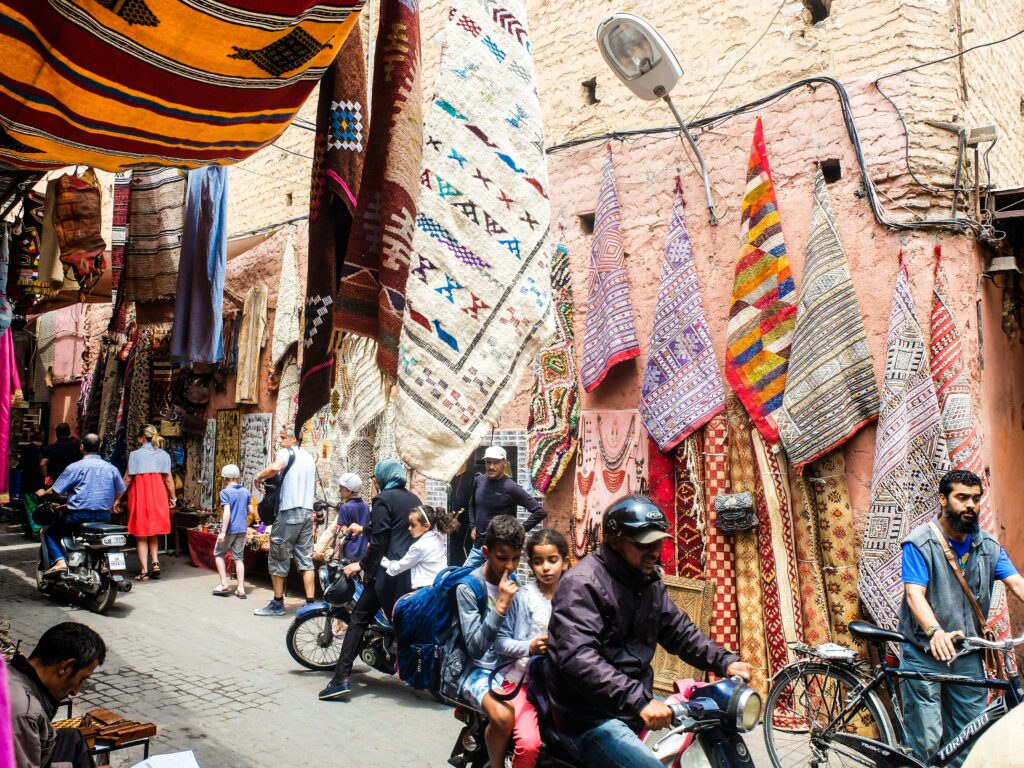
Simple habits cut most of the risk down to size.
- Keep valuables out of sight in markets and squares
- Use ATMs inside banks, not street machines
- Avoid the Algeria border region entirely
- Check local news for planned demonstrations before you travel
- Buy alcohol only from licensed venues, since counterfeit alcohol has caused deaths in Morocco
- Register your trip with your embassy’s travel program before you leave
- Keep a photo of your passport saved on your phone and in email
None of these steps take much effort. They just need to become habit before you land.
Legal Rules US Travelers Often Miss
A few local laws catch tourists off guard:
- Same-sex relations are illegal under Moroccan law
- Public displays of affection are frowned on, regardless of who you are
- Drug possession, including cannabis, carries long prison sentences
- Photography of government buildings and military sites is restricted
These rules apply to everyone, tourist or not. Ignorance of the law is not treated as an excuse.
What This Means for Your Trip Planning
If your trip is already booked, you likely do not need to cancel it. Focus on the specific risk areas above and build simple safety habits into your itinerary.
If you have not booked yet, this is a good time to check your travel insurance coverage and confirm what it covers for Level 2 destinations. Most standard policies still cover Morocco trips without issue.
FAQ
Is it safe for Americans to travel to Morocco right now? Yes, for most trips. The US lists Morocco at Level 2, the same tier as many popular destinations. Stick to normal safety habits and avoid the Algeria border area.
Why did Canada issue a travel warning for Morocco? Canada updated its advisory over rising petty theft, armed robbery, card fraud, terrorism risk, and unrest near the Algeria border. The advisory tells travelers to use a high degree of caution, not to avoid the country.
What areas of Morocco should tourists avoid? The Algeria-Morocco border region and parts of Western Sahara carry the highest risk. Crowded tourist spots like Jemaa el-Fnaa in Marrakech need extra care around pickpocketing, but are not off-limits.
Do Canada and the US agree on the Morocco travel risk level? Yes. Both countries rate Morocco at their second-highest caution tier and flag the same main risks: petty crime, terrorism, and the Algeria border area.
Next Step
Check the official Canada and US State Department advisory pages before you finalize your trip. Advisories get updated, and a five-minute check beats a surprise once you land.