


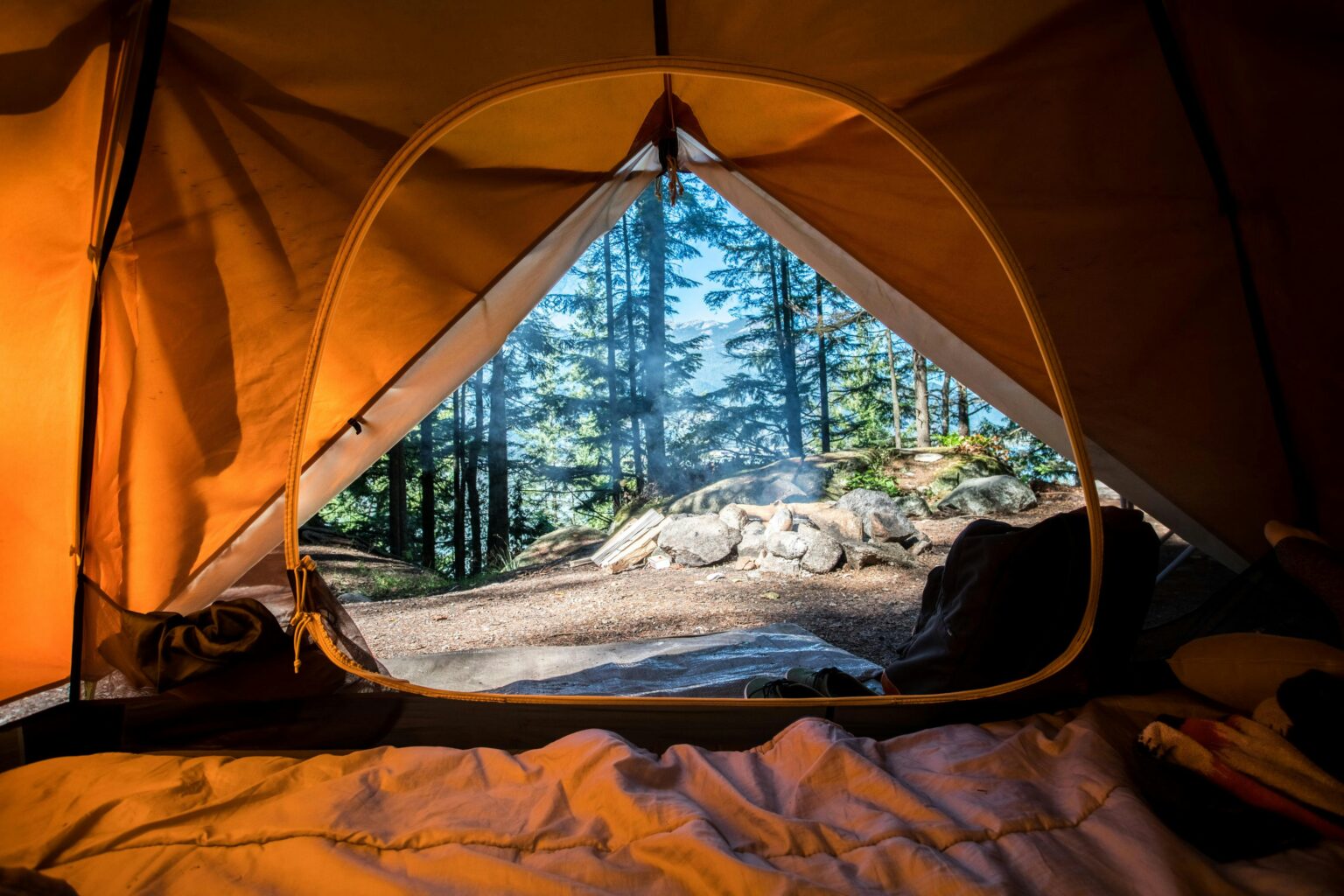
Camping in the United States has become one of the most popular ways to travel, unwind, and reconnect with nature. From Yosemite National Park in California to Great Smoky Mountains National Park in Tennessee, millions of Americans plan outdoor trips every year. But the difference between a stressful trip and a memorable one almost always comes down to preparation.
This guide is designed to give you a practical, experience-based breakdown of camping essentials, modern packing strategies, and expert-level planning tips so your outdoor adventure is safe, comfortable, and enjoyable anywhere in the USA.
Why Proper Planning Matters for Camping in the USA
Camping environments across the United States vary dramatically. A desert campsite in Arizona can reach extreme daytime heat, while Colorado’s mountains may drop below freezing at night—even in summer. Because of this variation, preparation is not optional; it is critical.
Modern campers face three main challenges:
- Rapid weather changes
- Limited access to emergency supplies
- Wildlife and environmental risks
This is why experienced outdoor travelers focus heavily on preparation before they even leave home. When your gear and knowledge are aligned with your destination, you reduce risks and improve comfort significantly.
Understanding your environment is the foundation of successful camping. National parks often provide safety guidelines, but personal responsibility still plays the biggest role in ensuring a safe trip.
Essential Gear Breakdown for Every Camper
A successful outdoor trip depends on having the right equipment for shelter, food, safety, and navigation. Below is a practical breakdown used by experienced campers across the USA.
Shelter and Sleeping Equipment
Your shelter system is your first priority. A high-quality tent designed for the season is essential. Three-season tents are the most commonly used in the US because they balance ventilation and protection.
Key shelter items include:
- Waterproof and wind-resistant tent
- Insulated sleeping bag rated for expected temperatures
- Sleeping pad for ground insulation
- Lightweight tarp for additional weather protection
Comfort during sleep is often underestimated. Poor sleep affects energy, decision-making, and overall safety during outdoor activities.
Cooking and Food Preparation Gear
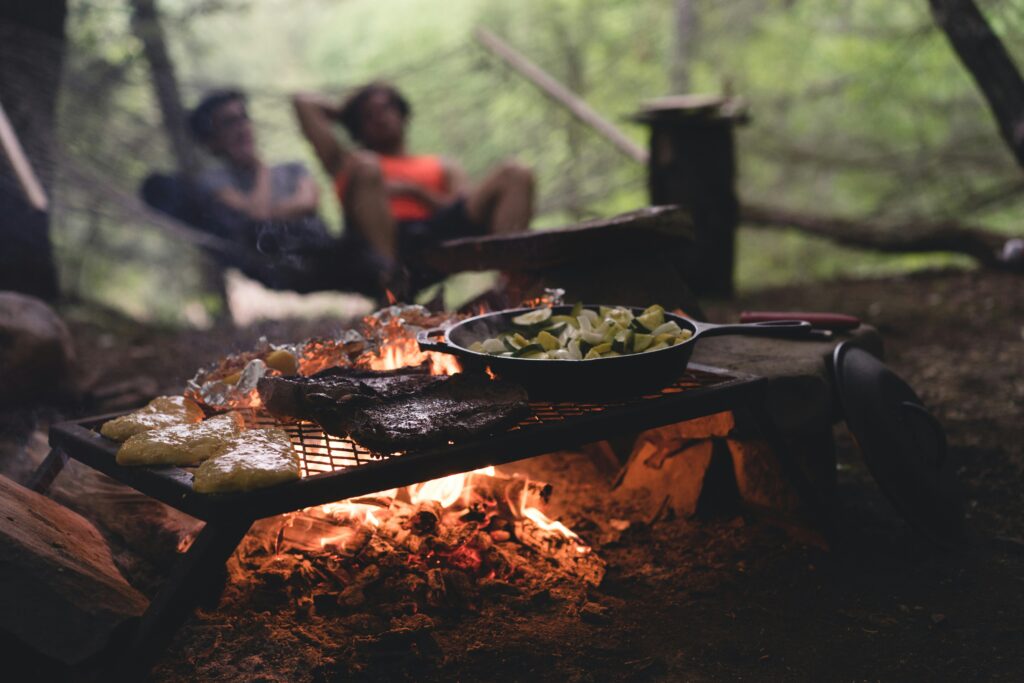
Food is more than just fuel during camping—it is also part of the experience. However, preparation is key.
Recommended cooking setup:
- Portable camping stove with fuel backup
- Lightweight cookware (non-stick preferred)
- Reusable utensils and plates
- Waterproof food storage containers
High-energy food options include nuts, dried fruits, pasta, oats, and canned protein sources. Always store food properly to avoid attracting wildlife, especially in bear-prone areas like Montana or Wyoming.
Proper food planning ensures energy stability throughout your trip and prevents unnecessary trips back to civilization.
Safety, Navigation, and Emergency Tools
Safety is one of the most important aspects of outdoor travel. Even experienced hikers rely on essential backup tools.
Every camper should carry:
- First aid kit with basic medications
- Multi-tool or survival knife
- Flashlight or headlamp with extra batteries
- Map and compass (even if using GPS)
- Emergency whistle
- Thermal or emergency blanket
Technology is helpful, but it should never replace traditional navigation skills. Batteries die, signals fail, and conditions can change unexpectedly.
Smart Packing Strategy for Modern Campers
Efficient packing is a skill that improves with experience. Overpacking is one of the most common mistakes beginners make, leading to unnecessary weight and disorganization.
Layer-Based Packing System
Instead of packing randomly, divide your gear into three layers:
- Essential survival items
- Comfort and convenience items
- Optional recreational items
This system helps prioritize what truly matters if you need to cut weight or respond to emergencies.
Weather-Based Preparation
Always pack for conditions slightly worse than expected. Even in summer, nighttime temperatures in high-altitude regions like Utah or Colorado can drop significantly.
A smart packing rule is:
“Pack for the worst weather you might realistically face, not just what the forecast shows.”
Beginner Mistakes to Avoid While Camping
Many new campers unintentionally make mistakes that affect safety and enjoyment. Avoiding these can dramatically improve your experience.
Ignoring Weather Variability
Weather in the USA can change within hours. Failing to prepare for rain, wind, or temperature drops can quickly turn a trip uncomfortable or dangerous.
Poor Water Management
Hydration is critical, especially in dry regions. Always carry extra water or a reliable filtration system. Many natural water sources are not safe to drink directly.
Not Testing Equipment Before Travel
A significant number of camping failures happen because gear was never tested. Always set up your tent and test cooking equipment before leaving home.
Expert Tips for a Better Camping Experience
Experienced outdoor travelers use a few simple but powerful habits that improve every trip.
Choose the Right Campsite
Not all campsites are equal. Look for:
- Flat ground for sleeping comfort
- Natural wind barriers like trees or rocks
- Safe distance from water (to avoid flooding or insects)
Respect Wildlife and Environment
The US has strict conservation rules in national parks for a reason. Always store food securely and maintain a clean campsite. Respecting wildlife ensures both your safety and ecosystem protection.
Keep a Minimal but Smart Gear Approach
Modern outdoor experts focus on lightweight, multi-purpose gear instead of heavy packing. This improves mobility and reduces fatigue during hiking or long walks to campsites.
Final Thoughts on Outdoor Preparation
Camping is one of the most rewarding experiences available in the United States, offering a mix of freedom, adventure, and connection with nature. However, success depends entirely on preparation, awareness, and smart decision-making.
When you understand how to choose gear, adapt to weather conditions, and avoid common mistakes, your experience becomes significantly more enjoyable and safe.
These camping essentials are not just a checklist—they are the foundation of responsible outdoor travel. Whether you are exploring national parks, forest trails, or remote wilderness areas, these camping essentials will help you stay safe, comfortable, and fully prepared for any situation.
With the right mindset and preparation, your camping essentials strategy can transform a simple trip into an unforgettable outdoor experience anywhere in the USA.