


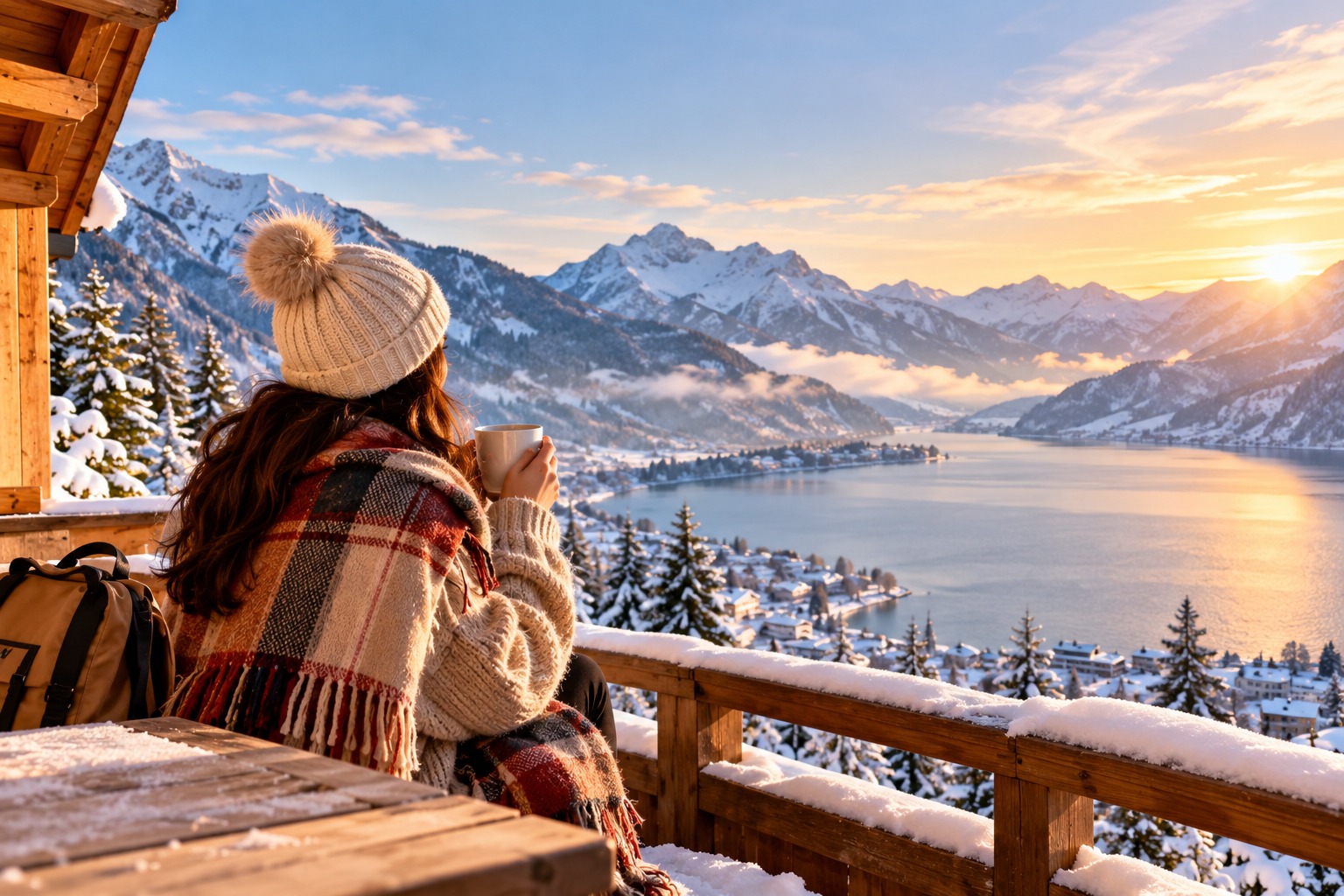
Winter can be a wonderful season for traveling. Snow-covered mountains, beautiful winter landscapes, festive events, cozy hotels, and peaceful destinations attract travelers from around the world. However, choosing the right month can make a big difference to your experience.
The best month to travel in winter depends on your destination, weather preferences, budget, and the activities you want to enjoy. Some travelers want to see snowfall, while others prefer mild winter weather and fewer tourists.
December, January, and February are generally considered the main winter months in many parts of the Northern Hemisphere. However, conditions vary from one destination to another.
This guide explains how to choose the right winter month, what to consider before booking, and which type of winter trip may suit each month.
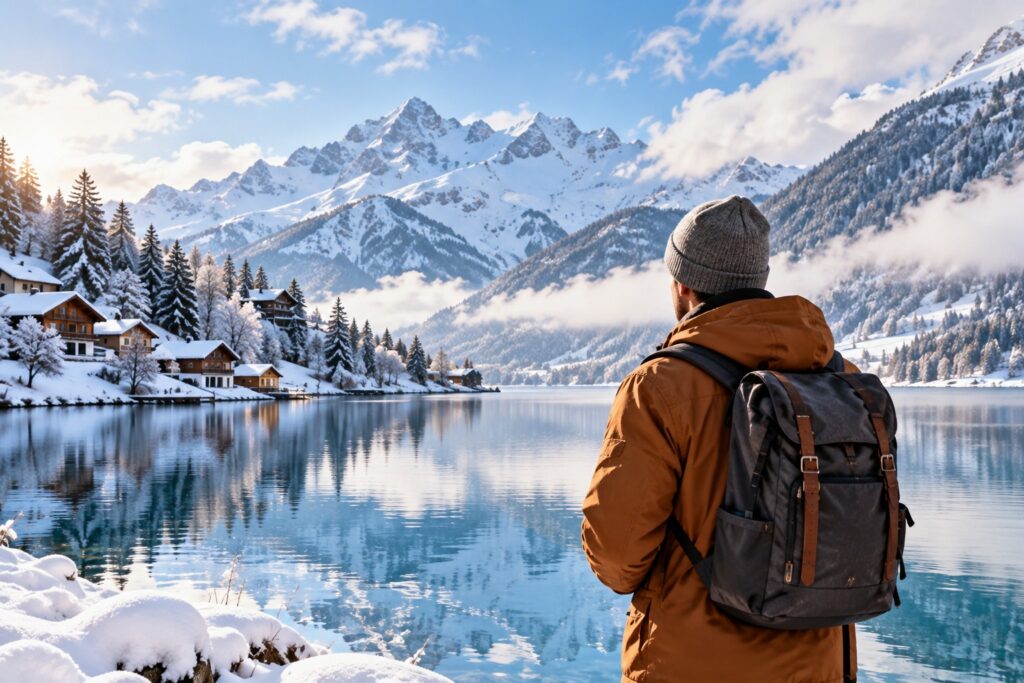
What Is the Best Month to Travel in Winter?
The best month to travel in winter depends on what you want from your trip.
December can be ideal for festive experiences and holiday events. January is often attractive for travelers looking for snow, winter activities, and potentially lower prices after the holiday period. February can offer a good combination of winter scenery and fewer holiday crowds in many destinations.
| Winter Month | Best For | Main Consideration |
|---|---|---|
| December | Festivals and holiday trips | Higher demand in popular destinations |
| January | Snow and winter activities | Very cold weather in some regions |
| February | Winter sightseeing and relaxed trips | Conditions vary by destination |
There is no universal answer because winter weather can be very different across countries and regions.
Why Winter Is a Great Time to Travel
Winter offers experiences that are difficult to find during other seasons.
Travelers can enjoy:
- Snow-covered landscapes
- Skiing and snowboarding
- Winter festivals
- Christmas markets
- Mountain scenery
- Cozy accommodation
- Fewer tourists in some destinations
- Seasonal food and activities
For people who enjoy cold weather, winter can provide a completely different travel experience compared with summer.
Winter Travel Can Be More Relaxing
Some destinations become quieter during winter, especially outside major holiday periods. Fewer tourists can mean shorter queues, more peaceful sightseeing, and better availability at certain hotels and restaurants.
However, popular winter destinations can still become extremely busy during Christmas, New Year, and school holidays.
Best Month to Travel in Winter for Snow
If your main goal is to experience snowfall, the ideal month depends heavily on the destination and its altitude.
In many mountain regions, January and February can provide excellent winter conditions. Higher-altitude locations may receive snow earlier and maintain snow for longer.
Check Local Snow Conditions
Before booking a winter trip, research:
- Average snowfall
- Snow season dates
- Mountain altitude
- Road conditions
- Ski resort opening dates
- Local weather forecasts
- Transportation availability
Snow is not guaranteed simply because you are traveling during winter. Some lower-altitude destinations may experience cold temperatures without significant snowfall.
December: Best for Festive Winter Travel
December is one of the most popular winter travel months because of Christmas and New Year celebrations.
Cities and towns may feature:
- Christmas markets
- Decorative lights
- Seasonal festivals
- Holiday concerts
- Winter food markets
- Special events
Advantages of December Travel
December can be a great choice if you enjoy festive surroundings and holiday activities.
Families may also find December attractive because school holidays can make it easier to plan a family vacation.
Things to Consider
The biggest disadvantage can be higher demand. Flights and hotels may become more expensive around Christmas and New Year.
If you plan to travel in December, booking important arrangements early can help you find better options.
January: Best for Snow and Winter Adventures
January is often associated with some of the coldest winter conditions in the Northern Hemisphere.
For travelers who enjoy snow, skiing, snowboarding, and mountain activities, January can be an attractive month.
Why Choose January?
January may offer:
- Snow-covered mountains
- Winter sports
- Beautiful frozen landscapes
- Fewer holiday crowds after New Year
- A true winter atmosphere
However, temperatures can be very low in some destinations. Travelers should prepare appropriate clothing and check transportation conditions before starting their journey.
February: Best for a Balanced Winter Trip
February can be another excellent winter travel month.
Depending on the destination, travelers may still experience snow and winter activities while avoiding some of the peak holiday crowds seen in December.
Why Travel in February?
February can be suitable for:
- Winter sightseeing
- Snow activities
- Mountain trips
- Romantic getaways
- Relaxing vacations
- Photography trips
In some destinations, February may also provide a good balance between winter conditions and travel costs.
Best Month to Travel in Winter on a Budget
Budget is an important factor when choosing a winter travel month.
December can be expensive around major holidays because demand is high. January may become more affordable after the New Year period, while February can also offer competitive prices depending on the destination.
| Month | Budget Consideration |
|---|---|
| December | Often more expensive around holidays |
| January | Potentially lower after New Year |
| February | Can offer good value in some destinations |
Prices vary significantly, so compare flights, hotels, transportation, and activities before booking.
Travel During Shoulder or Off-Peak Periods
If your schedule is flexible, avoid major holiday dates and school vacation periods.
Traveling just before or after peak periods may help you find better prices while still enjoying winter conditions.
Best Winter Destinations for Different Activities
The right winter destination depends on the experience you want.
| Travel Goal | Destination Type |
|---|---|
| Snowfall | Mountain regions |
| Skiing | Ski resorts |
| Winter sightseeing | Historic cities |
| Relaxation | Mountain or countryside hotels |
| Family vacation | Winter resorts with family activities |
| Photography | Snow-covered landscapes |
| Festive experience | Cities with winter festivals |
Always research local conditions before choosing a destination because winter weather varies considerably.
How to Prepare for a Winter Trip
Winter travel requires more preparation than many summer trips.
Pack Warm Clothing
Bring suitable clothing based on the expected temperature.
Useful items may include:
- Warm jacket
- Sweaters
- Thermal layers
- Gloves
- Warm socks
- Hat
- Waterproof shoes
- Scarf
Check Transportation
Snow and ice can affect roads, flights, trains, and other transportation.
Check transportation conditions before traveling and leave extra time in your schedule.
Choose Suitable Accommodation
A comfortable hotel can make a major difference during winter.
Look for facilities such as:
- Heating
- Hot water
- Indoor dining
- Easy transportation access
- Backup power where relevant
- Good guest reviews
How Weather Should Influence Your Travel Month
Weather should be one of the first things you research.
Do not assume that every destination experiences winter in the same way.
One location may have heavy snowfall, while another may have cool but dry weather. Coastal areas may also have completely different winter conditions from mountain regions.
Check More Than Temperature
Look at:
- Snowfall
- Rainfall
- Wind
- Daylight hours
- Road conditions
- Average temperatures
- Extreme weather possibilities
This will help you choose a month that matches your planned activities.
Winter Travel With Family
Families should consider comfort and safety when planning a winter trip.
Children may enjoy snow, sledding, and winter activities, but very cold temperatures can make outdoor activities difficult.
Family Winter Travel Tips
- Choose family-friendly accommodation.
- Pack extra warm clothing.
- Plan indoor activities as backups.
- Avoid overly complicated travel schedules.
- Check road and weather conditions.
- Keep emergency essentials available.
A flexible itinerary can make winter family travel easier and less stressful.
Common Winter Travel Mistakes
Ignoring the Cold
Travelers sometimes underestimate how cold a destination can become. Always check expected temperatures before packing.
Booking Without Checking Snow Conditions
If snowfall is your main reason for traveling, research historical and current conditions before booking.
Forgetting Shorter Daylight Hours
Some winter destinations have fewer daylight hours, which can affect sightseeing plans.
Planning Too Many Outdoor Activities
Bad weather can interrupt plans. Leave enough flexibility for changes.
Booking During Major Holidays Without Comparing Prices
Christmas and New Year can be expensive in popular destinations. Compare dates and prices before finalizing your trip.
Winter Travel Checklist
| Item | Why It Matters |
|---|---|
| Weather forecast | Helps with clothing and planning |
| Hotel heating | Important for comfort |
| Transportation | Winter weather can cause delays |
| Warm clothing | Protects against cold temperatures |
| Travel insurance | Useful for unexpected disruptions |
| Indoor activities | Helpful when outdoor plans change |
| Emergency contacts | Important during unfamiliar travel |
Frequently Asked Questions
What is the best month to travel in winter?
The best month to travel in winter depends on your destination and travel goals. December is ideal for festive experiences, January is often popular for snow and winter sports, and February can offer a balanced winter experience.
Is January a good month for winter travel?
Yes. January can be excellent for travelers who want snow, skiing, mountain scenery, and a traditional winter atmosphere. However, conditions vary by destination.
Is December expensive for winter travel?
December can be more expensive around Christmas and New Year because demand is often higher. Traveling earlier in December or after major holiday dates may provide different pricing.
Is February good for seeing snow?
February can be a good month for snow in many mountain and cold-weather destinations, but snowfall varies by location and year. Always check local conditions before booking.
What should I pack for a winter trip?
Pack warm layers, a suitable jacket, gloves, warm socks, a hat, comfortable waterproof footwear, and any destination-specific winter equipment you may need.
How can I save money on a winter vacation?
Compare different travel dates, avoid major holiday periods when possible, book accommodation early, and consider traveling during less busy periods.
Conclusion
Choosing the best month to travel in winter depends on what you want from your trip. December is a strong option for festive experiences, January is attractive for snow and winter adventures, while February can provide a comfortable balance for many travelers.
Before booking, consider weather, snowfall, prices, crowds, transportation, accommodation, and planned activities. A little research can help you choose the right month and avoid unpleasant surprises.
Winter travel can be memorable when you prepare properly. Whether you want to enjoy snowy mountains, explore a winter city, spend time with family, or simply relax in a cold-weather destination, choosing the right month can make your trip more comfortable and enjoyable.