


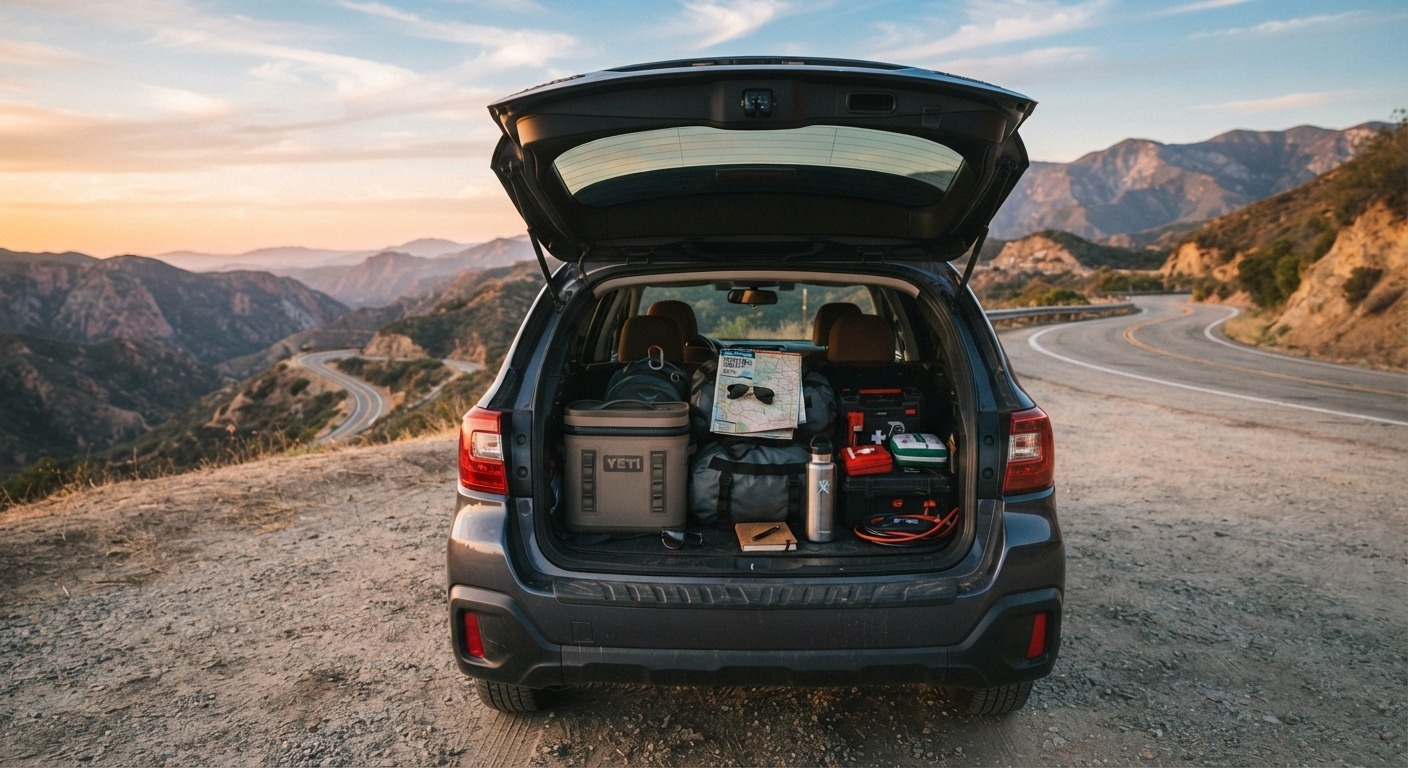
A road trip can be one of the most enjoyable ways to travel. You have the freedom to choose your route, stop whenever you want, and explore places at your own pace. However, a successful journey requires some preparation. Forgetting important items can turn a relaxing drive into a stressful experience.
A good road trip checklist helps you prepare everything before leaving home. From important documents and emergency supplies to snacks, chargers, and comfortable clothing, having the right items can make your journey safer and more enjoyable.
Whether you are planning a short weekend drive or a long-distance adventure, this guide covers the most important road trip essentials, a practical road trip packing list, and useful things to bring on a road trip.
Why You Need a Road Trip Checklist
It is easy to remember your clothes and phone charger but forget something important such as a first-aid kit, spare tire equipment, or important documents.
A checklist gives you a simple way to organize your preparation.
Using a road trip checklist can help you:
- Avoid forgetting essential items
- Prepare your vehicle before departure
- Stay organized during the journey
- Handle unexpected situations
- Save time before leaving
- Make the trip more comfortable
The goal is not to pack everything you own. Instead, focus on items that are practical, useful, and appropriate for your destination.

15 Road Trip Essentials You Should Pack
1. Important Documents
Keep all important documents together in an easily accessible place.
Depending on your trip, you may need:
- Driving license
- Vehicle registration
- Insurance documents
- Identification
- Hotel or accommodation details
- Emergency contact information
If you are traveling across borders, check whether additional documents are required.
2. Phone and Chargers
Your smartphone can be extremely useful during a road trip. It can provide navigation, weather information, communication, entertainment, and emergency assistance.
Before leaving, make sure your phone is fully charged and pack the appropriate charging cable.
A car charger can also be useful when you spend several hours on the road.
3. Navigation and Offline Maps
GPS navigation is one of the most useful tools for road travel. However, mobile internet may not always be available, especially in remote areas.
Download offline maps before starting your journey. It is also helpful to have a basic understanding of your route instead of depending entirely on technology.
4. First-Aid Kit
A first-aid kit is one of the most important road trip essentials.
A basic kit can include:
- Adhesive bandages
- Antiseptic wipes
- Gauze
- Medical tape
- Disposable gloves
- Basic pain relief medication
- Any personal medications
Check your first-aid supplies before leaving and replace anything that has expired.
5. Water and Snacks
Long drives can make you hungry and thirsty, especially when there are limited restaurants or stores along the route.
Pack enough drinking water for the journey and choose easy-to-carry snacks such as:
- Nuts
- Crackers
- Granola bars
- Fresh fruit
- Dried fruit
- Sandwiches
Use a cooler if you are carrying food that needs to remain cold.
6. Emergency Car Supplies
Vehicle problems can happen even when your car has been properly maintained.
Useful emergency equipment may include:
- Spare tire
- Tire pressure gauge
- Tire inflator
- Jumper cables
- Flashlight
- Reflective warning equipment
- Basic tools
- Emergency contact information
Make sure you know where these items are stored before starting your journey.
7. Comfortable Clothing
Your clothing should match the weather and activities planned for the trip.
For a long drive, comfortable clothing is usually better than restrictive outfits. Bring extra layers if temperatures may change during the journey.
Pack clothing that can be mixed and matched to reduce luggage.
8. Toiletries and Personal Care Items
Basic toiletries are another important part of your road trip packing list.
Consider packing:
- Toothbrush and toothpaste
- Soap or body wash
- Deodorant
- Hand sanitizer
- Tissues
- Wet wipes
- Sunscreen
- Personal hygiene products
Travel-size containers can help save space.
9. Power Bank
A power bank can be extremely useful if your phone battery becomes low while you are away from a charging point.
Charge the power bank before leaving and keep it somewhere easily accessible.
10. Sunglasses and Sun Protection
Long hours on the road can expose you to strong sunlight. Sunglasses can improve comfort while driving during bright conditions.
Depending on your destination, also consider bringing sunscreen, a hat, or other sun protection.
11. Blankets and Extra Layers
A lightweight blanket can be useful during rest stops, overnight stays, or unexpected delays.
Extra layers are also helpful if the temperature becomes colder than expected.
12. Trash Bags
Small trash bags may seem unimportant, but they can make a big difference during a long drive.
Keep one or two bags inside the vehicle for snack wrappers, tissues, bottles, and other waste. This helps keep the car clean throughout the trip.
13. Cash and Payment Cards
Digital payments are convenient, but not every location may accept them.
Carry a reasonable amount of cash along with your payment cards. Having different payment options can be useful at small shops, toll points, parking areas, or remote destinations.
14. Entertainment
Long drives can become tiring, particularly for passengers.
Download music, podcasts, audiobooks, or movies before leaving if internet access may be limited. Families traveling with children can also bring simple games, books, or other activities.
The driver should always remain focused on the road.
15. Emergency Contact Information
Keep important emergency numbers and contact information available offline.
You may want to have details for:
- Family members
- Vehicle assistance
- Insurance provider
- Accommodation
- Local emergency services
This information can be useful if your phone loses signal or battery.
Road Trip Packing List at a Glance
| Category | Items to Pack | Priority |
|---|---|---|
| Documents | License, registration, insurance | Essential |
| Navigation | Phone, GPS, offline maps | Essential |
| Safety | First-aid kit, flashlight, emergency supplies | Essential |
| Food | Water, snacks, cooler | High |
| Clothing | Comfortable clothes, extra layers | High |
| Technology | Chargers, power bank | High |
| Toiletries | Toothbrush, wipes, sanitizer | Medium |
| Comfort | Blanket, neck pillow | Medium |
| Entertainment | Music, podcasts, books | Medium |
| Cleaning | Trash bags, tissues | Medium |
Things to Bring on a Road Trip Based on Your Destination
The items you need can change depending on where you are going.
For a Beach Road Trip
Consider bringing:
- Swimwear
- Towels
- Sunscreen
- Sunglasses
- Sandals
- Extra water
For a Mountain Road Trip
You may need:
- Warm layers
- Comfortable walking shoes
- Extra food and water
- Flashlight
- Weather-appropriate gear
For a Family Road Trip
Families may want to add:
- Children’s snacks
- Extra clothing
- Entertainment
- Wet wipes
- Small pillows
- Necessary medications
For a Long-Distance Road Trip
A longer journey may require additional planning. Consider extra food, more water, emergency supplies, spare charging options, and regular rest stops.
Prepare Your Car Before the Road Trip
Packing is only one part of preparation. Your vehicle should also be checked before departure.
Check the Tires
Inspect tire pressure and look for visible damage. Do not forget to check the spare tire.
Check Fluids
Check the vehicle’s important fluids according to the manufacturer’s recommendations.
Check the Battery
A weak battery can create problems during a long journey. If you have concerns about your battery, consider getting it checked before departure.
Check Lights and Brakes
Make sure your headlights, brake lights, indicators, and other important vehicle systems are working properly.
Fill the Fuel Tank
If your route includes remote areas, plan fuel stops in advance rather than waiting until the tank is nearly empty.
How to Organize Your Road Trip Packing List
A good organization system can make your journey much easier.
Keep emergency equipment in an accessible location rather than underneath multiple bags. Store frequently used items such as water, snacks, tissues, and chargers where passengers can reach them easily.
Use separate bags or organizers for clothing, toiletries, electronics, and documents.
A simple organization system means you spend less time searching through luggage during the trip.
Common Road Trip Packing Mistakes
Even with preparation, travelers can make simple mistakes.
Packing Too Much
Avoid taking unnecessary items. Pack according to the length of your trip and activities.
Forgetting Emergency Supplies
Never assume that everything will go perfectly. Basic emergency equipment can be extremely useful.
Not Checking the Weather
Weather can change quickly. Check the forecast before leaving and pack accordingly.
Ignoring Rest Stops
A road trip is not a race. Plan regular breaks so the driver can rest and passengers can stretch.
Depending Completely on Your Phone
Technology is useful, but phones can lose battery, signal, or access to data. Keep important information available offline.
Quick Road Trip Checklist Before Leaving
Use this final checklist before starting your journey:
- Check tires and vehicle condition
- Fill the fuel tank
- Pack important documents
- Charge your phone
- Charge your power bank
- Download offline maps
- Pack water and snacks
- Prepare a first-aid kit
- Pack emergency car supplies
- Check the weather
- Pack suitable clothing
- Secure your luggage
- Take out unnecessary items
- Plan fuel and rest stops
- Tell someone your travel plan if appropriate
Frequently Asked Questions
What should be on a road trip checklist?
A road trip checklist should include important documents, navigation tools, food and water, first-aid supplies, emergency car equipment, chargers, clothing, toiletries, and other items based on your destination.
What are the most important road trip essentials?
Some of the most important road trip essentials include a valid driving license, vehicle documents, phone and charger, water, snacks, first-aid supplies, emergency equipment, and appropriate clothing.
What should I bring on a long road trip?
For a long journey, bring enough water and food, comfortable clothing, toiletries, chargers, a power bank, emergency supplies, navigation tools, and any necessary personal items.
How do I make a road trip packing list?
Start by considering your destination, trip length, weather, planned activities, and vehicle needs. Divide your list into categories such as documents, clothing, food, safety, technology, and personal items.
Should I pack a first-aid kit for a road trip?
Yes. A basic first-aid kit is a useful part of your road trip essentials because minor injuries or health issues can happen during travel.
Conclusion
A successful road trip starts with good preparation. Creating a practical road trip checklist allows you to organize your belongings, prepare your vehicle, and reduce unnecessary stress before departure.
Focus on the essentials rather than packing everything you might possibly need. Important documents, food and water, emergency supplies, navigation tools, comfortable clothing, chargers, and personal items should form the foundation of your road trip packing list.
Before you leave, check your vehicle, review the weather, organize your luggage, and make sure your most important items are easy to access. With a little preparation, you can spend less time worrying about what you forgot and more time enjoying the journey.