


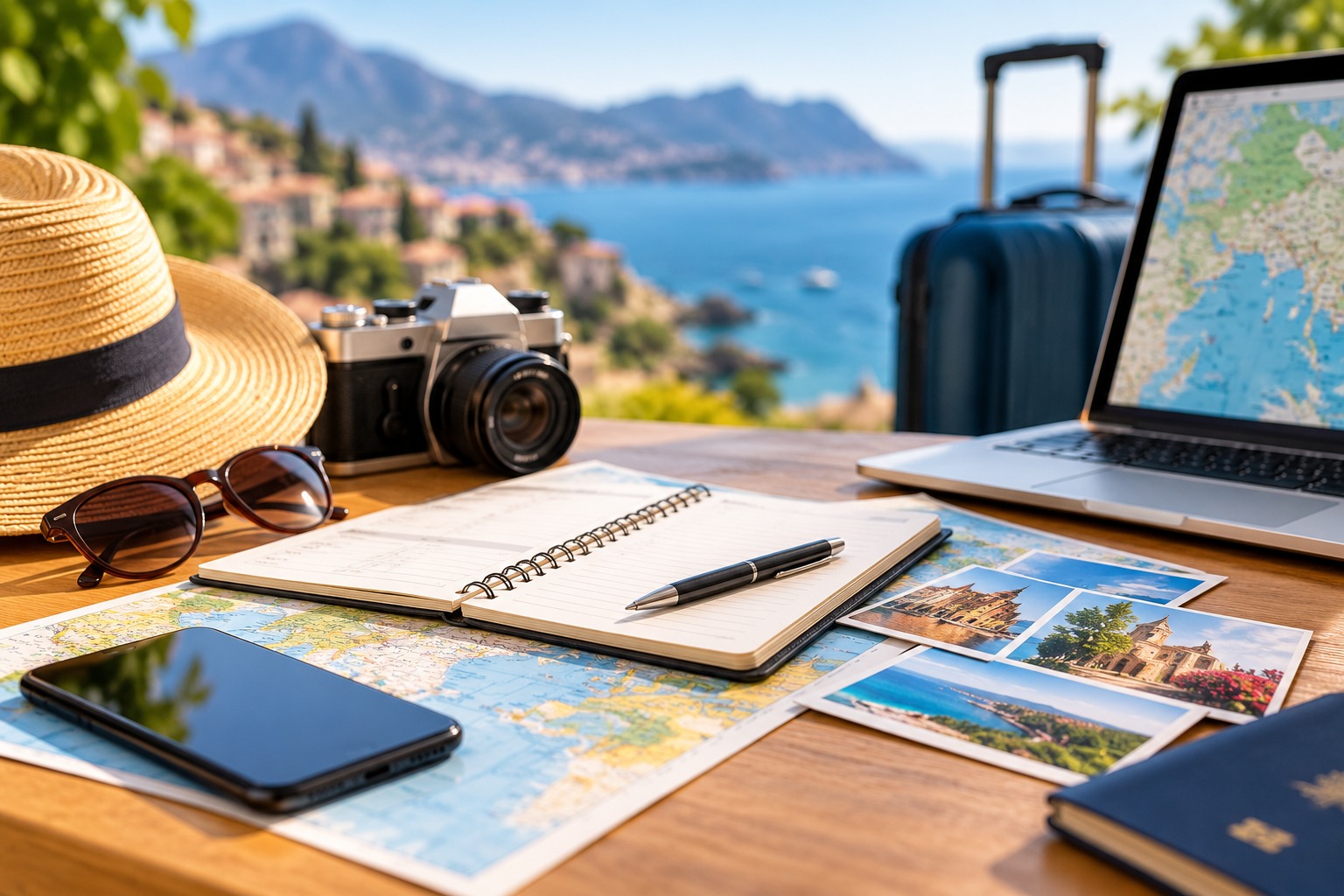
To understand how to create a travel itinerary, start by choosing your destination and travel dates, list the places you want to visit, organize activities by location, plan transportation, book accommodation, estimate your daily schedule, and leave enough free time for unexpected changes.
Planning a trip can be exciting, but deciding where to go, what to see, where to stay, and how to manage your time can sometimes feel overwhelming.
A travel itinerary makes the planning process easier by putting your important travel details into one organized plan. Instead of deciding everything after you arrive, you can have a simple idea of what you want to do each day.
However, a good itinerary should not make your vacation feel like a strict timetable. The purpose is to organize your trip while still leaving room for relaxation and unexpected experiences.
Learning how to create a travel itinerary can help you save time, manage your budget, organize transportation, and make the most of your trip.

Here are seven simple steps to create a practical and easy-to-follow travel itinerary.
1. Choose Your Destination and Travel Dates
The first step in how to create a travel itinerary is deciding where you are going and how long you will stay.
Start with the basics:
- Destination
- Departure date
- Return date
- Number of travelers
- Trip duration
- Travel purpose
Knowing the exact dates helps you plan everything else.
Consider the Length of Your Trip
A two-day city break will require a different itinerary from a two-week vacation.
For a short trip, you may want to focus on the most important attractions. For a longer vacation, you can include more activities and rest days.
Avoid trying to visit every attraction in a destination. A realistic itinerary is usually more enjoyable than a schedule packed with activities.
Consider the Travel Season
The season can also affect your itinerary.
Weather, local events, holidays, opening hours, and tourist crowds may influence which activities are practical.
Before finalizing your schedule, check the conditions expected during your travel dates.
2. Make a List of Places You Want to Visit
The second step is to create a list of attractions and activities you are interested in.
Do not immediately assign every activity to a specific day. First, make a general list.
Your list might include:
- Historical attractions
- Museums
- Parks
- Beaches
- Restaurants
- Shopping areas
- Adventure activities
- Cultural experiences
- Family attractions
- Local markets
Prioritize Your Activities
Not every activity needs the same amount of time.
Divide your list into three categories:
| Priority | Type of Activity | Example |
|---|---|---|
| Must See | Main attractions | Famous landmark |
| Would Like to See | Additional attractions | Museum or market |
| Optional | Extra activities | Shopping or café visit |
This makes it easier to adjust your plans if you do not have enough time.
Think About Your Travel Style
Your itinerary should match your interests.
A family trip may focus on child-friendly attractions, while a couple may prefer restaurants, sightseeing, and relaxing experiences.
There is no single perfect itinerary. The best plan is one that fits the people traveling with you.
3. Group Activities by Location
One of the smartest parts of how to create a travel itinerary is organizing activities according to their location.
Instead of traveling from one side of a city to another several times in one day, group nearby attractions together.
Save Time With Location Planning
For example, if three attractions are located within the same neighborhood, consider visiting them on the same day.
This can reduce:
- Travel time
- Transportation costs
- Unnecessary backtracking
- Stress
- Time spent in traffic
A map application can help you understand the distance between different places.
Create a Logical Route
Try to create a route that makes sense.
For example:
Hotel → Attraction A → Attraction B → Lunch → Attraction C → Hotel
This is usually easier than:
Hotel → Attraction A → Hotel → Attraction B → Hotel → Attraction C
A logical route can make your day more efficient without making it feel rushed.
4. Plan Your Transportation
Transportation is an important part of any travel itinerary.
Before finalizing your daily activities, consider how you will move between locations.
Depending on your destination, options may include:
- Walking
- Taxi
- Ride-hailing services
- Bus
- Train
- Rental car
- Tourist shuttle
- Domestic flights
Estimate Travel Time
Do not plan activities based only on the distance between locations.
Traffic, public transportation schedules, parking, security checks, and waiting times can all add to your journey.
Leave some extra time between major activities.
Plan Airport and Station Transfers
Your arrival and departure days deserve special attention.
Make sure you know:
- How you will reach your hotel
- How long the transfer may take
- Where transportation is available
- How early you need to arrive at the airport or station
Planning these details in advance can make the beginning and end of your trip less stressful.
5. Book Your Accommodation
Accommodation should be included in your itinerary because your hotel location can affect your daily plans.
When choosing a hotel, consider:
- Location
- Price
- Guest reviews
- Room type
- Available facilities
- Transportation
- Check-in and check-out times
- Cancellation policy
Choose a Convenient Location
A centrally located hotel may reduce travel time if most of your planned activities are nearby.
However, the best location depends on your destination and budget.
Sometimes a hotel slightly farther away can offer better value if transportation is convenient.
Add Hotel Details to Your Itinerary
Include important information such as:
Hotel Name: Your selected hotel
Check-in: Date and time
Check-out: Date and time
Address: Hotel address
Contact: Hotel phone number
Keeping these details together makes them easier to find during your trip.
6. Create a Realistic Daily Schedule
Now that you have your destination, activities, transportation, and accommodation planned, you can create your daily itinerary.
This is one of the most important steps in how to create a travel itinerary.
Avoid Overplanning
A common mistake is trying to fit too many activities into one day.
For example, planning six major attractions from morning until midnight may look productive on paper, but it can quickly become exhausting.
Instead, choose a manageable number of main activities and leave time between them.
Example Daily Itinerary
| Time | Activity |
|---|---|
| 8:00 AM | Breakfast |
| 9:00 AM | Leave hotel |
| 9:30 AM | Main attraction |
| 12:00 PM | Lunch |
| 1:30 PM | Museum or sightseeing |
| 4:00 PM | Free time |
| 6:00 PM | Return to hotel |
| 8:00 PM | Dinner |
This type of schedule provides structure while still leaving some free time.
Include Breaks
Breaks are especially important when traveling with children, older family members, or people who prefer a slower pace.
A good itinerary should include time for meals, rest, shopping, and simply enjoying the destination.
7. Leave Room for Flexibility
The final step in how to create a travel itinerary is making sure your plan is flexible.
Travel does not always go according to schedule.
Flights can be delayed, weather can change, attractions can become crowded, and you may discover something interesting that was not part of your original plan.
Do Not Plan Every Minute
Leave some open time in your schedule.
This gives you the freedom to:
- Rest
- Explore local areas
- Try a new restaurant
- Spend more time at an attraction
- Change plans because of weather
- Deal with unexpected delays
A flexible itinerary gives you direction without making the trip feel restrictive.
Simple Travel Itinerary Template
You can use this basic format when planning your next trip:
| Day | Morning | Afternoon | Evening |
|---|---|---|---|
| Day 1 | Arrival | Hotel check-in | Dinner |
| Day 2 | Main attraction | Museum/sightseeing | Local restaurant |
| Day 3 | Outdoor activity | Shopping | Free time |
| Day 4 | Cultural attraction | Lunch + sightseeing | Relaxation |
| Day 5 | Optional activity | Free time | Final dinner |
| Day 6 | Check-out | Travel home | — |
You can adjust this template according to your destination, trip length, budget, and interests.
What to Include in a Travel Itinerary
A useful itinerary should contain more than just attractions.
Consider adding:
- Flight details
- Hotel information
- Transportation details
- Activity times
- Restaurant reservations
- Important addresses
- Emergency contacts
- Booking references
- Estimated costs
- Free-time periods
Keeping all important information in one place makes your trip easier to manage.
Common Travel Itinerary Mistakes
Planning Too Many Activities
Trying to see everything can make your vacation exhausting.
Choose the activities that matter most and keep optional activities flexible.
Ignoring Travel Time
An attraction may be only a few kilometers away but still take significant time to reach because of traffic or transportation schedules.
Forgetting Meal Times
People need breaks for meals. Include breakfast, lunch, and dinner in your schedule.
Not Checking Opening Hours
Always check whether attractions are open on the day you plan to visit them.
Making the Itinerary Too Strict
Unexpected situations are part of travel. Leave some flexibility so one delay does not disrupt the entire trip.
Tips for Making Your Itinerary Easier to Follow
Once your itinerary is complete, make it simple to use.
Keep Important Information Together
Store hotel details, booking references, transportation information, and activity details in one place.
Use Digital and Offline Copies
A digital itinerary can be convenient, but having an offline copy can be useful when internet access is unavailable.
Share the Plan With Travel Companions
If you are traveling with family or friends, share the itinerary so everyone knows the basic plan.
FAQs About How to Create a Travel Itinerary
How to Create a Travel Itinerary for the First Time?
Start by choosing your destination and dates, list your main activities, group attractions by location, plan transportation, book accommodation, create a realistic daily schedule, and leave some free time.
What should a travel itinerary include?
A travel itinerary can include travel dates, flights, hotel details, transportation, attractions, activities, meal plans, reservations, estimated costs, and emergency contact information.
How many activities should I plan for one day?
There is no fixed number. It depends on the destination, travel time, activity duration, and your travel style. It is usually better to leave some free time rather than schedule too many activities.
Should a travel itinerary be flexible?
Yes. A flexible itinerary allows you to handle delays, weather changes, unexpected closures, and spontaneous activities without disrupting your entire trip.
Should I plan every day of my vacation?
Planning the main activities for each day can be useful, but you do not need to schedule every minute. Free time can make your trip more relaxing.
How can I save time when planning a trip?
Group attractions that are close together, check transportation routes, make important bookings early, and keep all travel information organized.
Can I create a travel itinerary on my phone?
Yes. You can use calendar applications, notes, mapping tools, travel applications, or a simple digital document to organize your itinerary.
Conclusion
Learning how to create a travel itinerary can make your vacation more organized, comfortable, and enjoyable.
Start by choosing your destination and dates, then make a list of places you want to visit. Group activities by location, plan transportation, choose convenient accommodation, and create a realistic daily schedule.
Most importantly, leave room for flexibility. A travel itinerary should guide your trip rather than control every minute of it.
With a little planning, you can reduce unnecessary travel time, manage your budget more effectively, and enjoy more of the destination without feeling overwhelmed.