


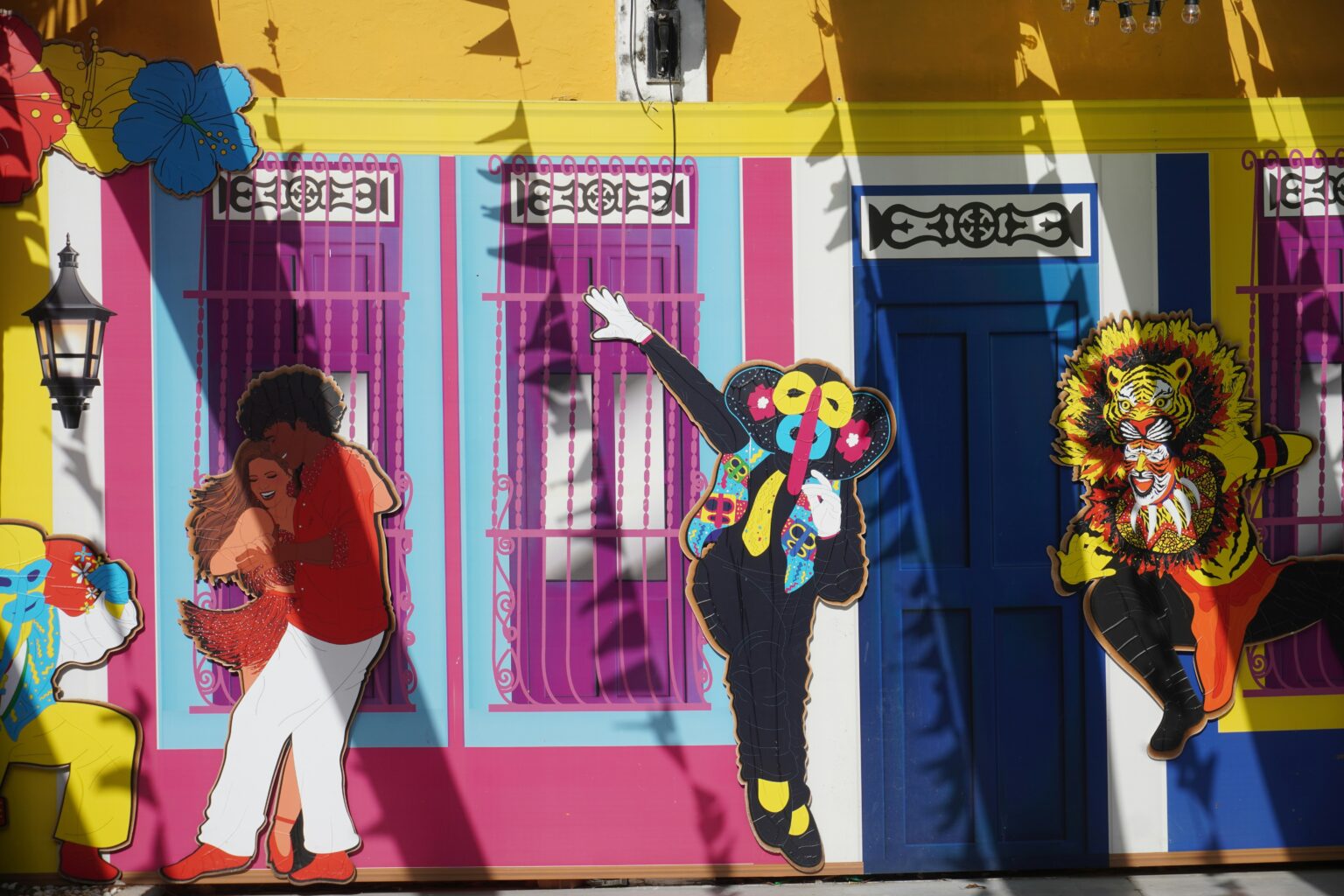
The Barranquilla Carnival is a four-day street festival held in Barranquilla, Colombia, in the days before Ash Wednesday. It mixes Spanish, African, and Indigenous traditions through parades, music, dance, and costumes, and it is recognized by UNESCO as a Masterpiece of the Oral and Intangible Heritage of Humanity. The 2026 edition runs February 14 to 17.
If you have heard people call it Colombia’s biggest party, that is not an exaggeration. It draws hundreds of thousands of visitors each year and is often described as the second-largest carnival in the world after Rio de Janeiro’s.
This guide explains what the carnival actually is, where it came from, what happens each day, and what to know if you are planning a trip from the US.
What Is the Carnaval de Barranquilla?
The Carnaval de Barranquilla is a folkloric celebration, not just a party in the streets. It brings together dance troupes, musicians, and costumed groups from across the Colombian Caribbean coast for organized parades and performances.
A few things set it apart from a typical festival:
- It has fixed traditional roles, like the Carnival King and Queen, who lead the celebrations
- Parades follow set routes and formats each year, judged by category
- Traditional dances like cumbia, mapalé, and garabato are performed by trained groups, not just improvised
- It closes with a symbolic funeral for a character named Joselito Carnaval
The event was declared a Cultural Masterpiece of the Nation by Colombia’s Congress in 2002, and UNESCO recognized it the following year as part of the world’s intangible cultural heritage.
A Short History
The carnival’s roots go back to the 19th century, blending celebrations brought by Spanish colonizers with African and Indigenous traditions already present on Colombia’s Caribbean coast. Over time, neighborhood celebrations grew into an organized citywide event.
In 1888, a group of local leaders formed a Carnival Society to organize and promote the festivities in a more structured way. That structure, built around fixed parades and traditional roles, is largely what still defines the carnival today.
When Is the Barranquilla Carnival 2026?
The main four days of the Barranquilla Carnival always fall right before Ash Wednesday, so the exact dates shift each year with the church calendar.
| Year | Main Carnival Dates |
|---|---|
| 2025 | March 1 – March 4 |
| 2026 | February 14 – February 17 |
| 2027 | February 6 – February 9 |
| 2028 | February 26 – February 29 |
For 2026, the celebration officially opens with the Reading of the Proclamation in mid-January, with events continuing through the main four days in February. This pre-carnival period includes smaller parades, concerts, and cultural events building up to the main weekend.
The Main Events, Day by Day
Each of the four main days has its own signature event. Knowing the schedule helps you plan which parades to prioritize if you can only attend part of the celebration.
| Day | Event | What Happens |
|---|---|---|
| Saturday | Batalla de Flores (Battle of Flowers) | The official opening parade, with elaborate floats and the Carnival Queen leading the procession down Vía 40 |
| Sunday | Gran Parada de Tradición | Folk dance groups and traditional costumes take center stage, showcasing older carnival traditions |
| Monday | Gran Parada de Comparsas | Fantasy costumes, choreographed dance groups, and more modern, creative performances |
| Tuesday | Muerte de Joselito | The symbolic funeral of Joselito Carnaval, closing the festival with humor and a bit of nostalgia |
Outside these headline events, the full calendar includes La Guacherna, a nighttime lantern-lit parade held before the main days, and the Festival de Orquestas, a competition among live bands playing salsa, vallenato, and other Caribbean genres.
Batalla de Flores
This is the event most people picture when they think of the carnival. Massive decorated floats move down Vía 40, carrying the Carnival Queen and her court, while dance groups and marching bands perform alongside.
La Guacherna
Held the week before the main days, La Guacherna is a nighttime parade lit by lanterns and torches. It has a more intimate, neighborhood feel compared to the daytime parades and is a good option if you want a smaller crowd.
Muerte de Joselito
Joselito Carnaval is a fictional character who represents the spirit of the celebration. On the final day, crowds stage a mock funeral procession for him, mixing humor with a symbolic goodbye to the festivities before Lent begins.
Traditional Costumes and Characters
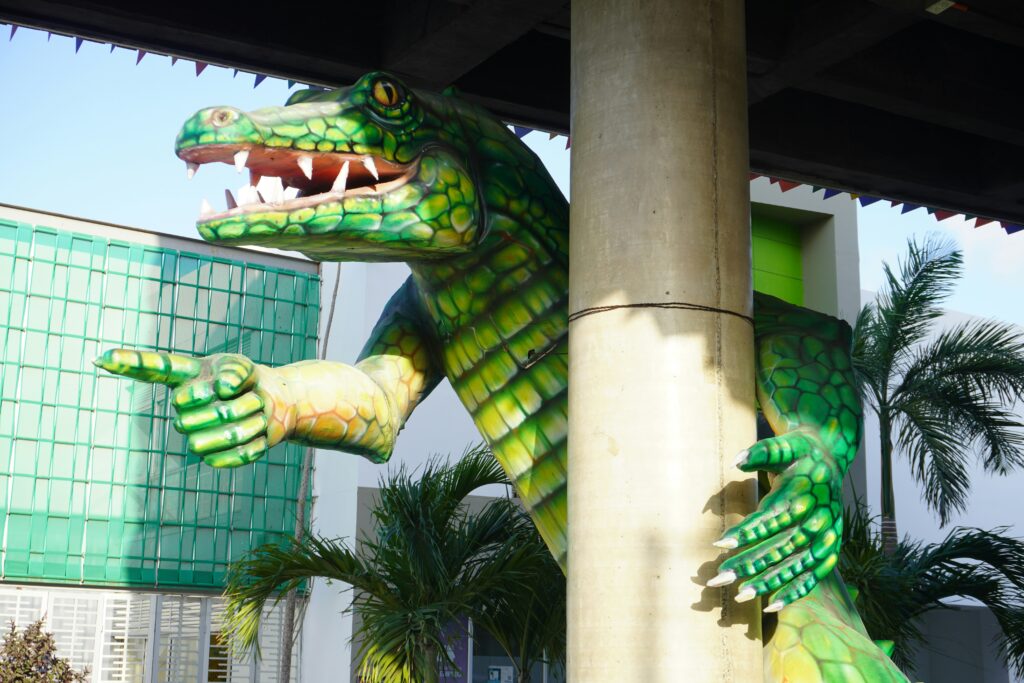
A few recurring characters and costumes show up across the parades, and recognizing them makes the experience easier to follow.
- Marimondas – Playful costumed characters wearing colorful, exaggerated masks with long noses and big ears
- Monocucos – Costumed figures wearing full-face masks and long robes, often poking fun at public figures
- King Momo – A costumed character tied to the parade tradition, distinct from the main Carnival King
- Congo dancers – Performers representing African heritage through drumming and dance, one of the carnival’s oldest traditions
How Barranquilla Compares to Other Carnivals
Rio de Janeiro’s carnival is larger in scale and more centered on samba schools competing in a stadium setting. Barranquilla’s carnival runs through open city streets and blends more traditions into one event, with a stronger focus on folk dance and regional music alongside the parade floats.
If Rio feels like one massive performance, Barranquilla feels more like a citywide festival where locals and visitors move through the same streets as the parades.
Planning a Trip From the US
Getting There
Barranquilla has its own international airport, Ernesto Cortissoz International Airport, with connections from several US cities, sometimes with a layover through Bogotá or Miami. Booking flights and hotels early matters, since prices rise quickly as carnival dates approach.
Where to Stay
The El Prado neighborhood is a common choice for visitors, with a mix of hotel options close to the parade routes. The Historic Center offers more budget-friendly stays, though it sits a bit farther from Vía 40.
What to Bring
Barranquilla is hot and humid in February. Light, breathable clothing, sunscreen, and a reusable water bottle make a real difference during long parade days spent outdoors.
Getting Around
Public transportation is the recommended option during carnival, since street closures around Vía 40 create heavy traffic. Plan to arrive early for parade viewing spots, since good spots along the route fill up fast.
FAQ
What is the Carnaval de Barranquilla? It is a four-day cultural festival in Barranquilla, Colombia, held before Ash Wednesday. It combines parades, traditional dance, music, and costumes rooted in Spanish, African, and Indigenous heritage, and is recognized by UNESCO as part of the world’s intangible cultural heritage.
When is the Barranquilla Carnival in 2026? The main celebration runs February 14 to 17, 2026. Pre-carnival events, including the Reading of the Proclamation, begin in mid-January.
Is Barranquilla Carnival bigger than Rio’s carnival? No. Rio de Janeiro’s carnival is generally considered larger. Barranquilla’s is often called the second-largest carnival in the world, known for its strong focus on traditional folk dance alongside the parades.
Do I need tickets to attend the Barranquilla Carnival? Watching the parades from public street areas is generally free, though seating in reserved viewing areas or “palcos” along the route requires paid tickets. Some concerts and events during carnival also require separate tickets.
Getting Ready for Carnival
If you are planning your first trip, build your schedule around the Batalla de Flores and one of the traditional parades, since those two give the clearest picture of what the carnival is about. Book flights and hotels as early as you can, since rooms near the parade routes fill up months in advance for the main dates.