


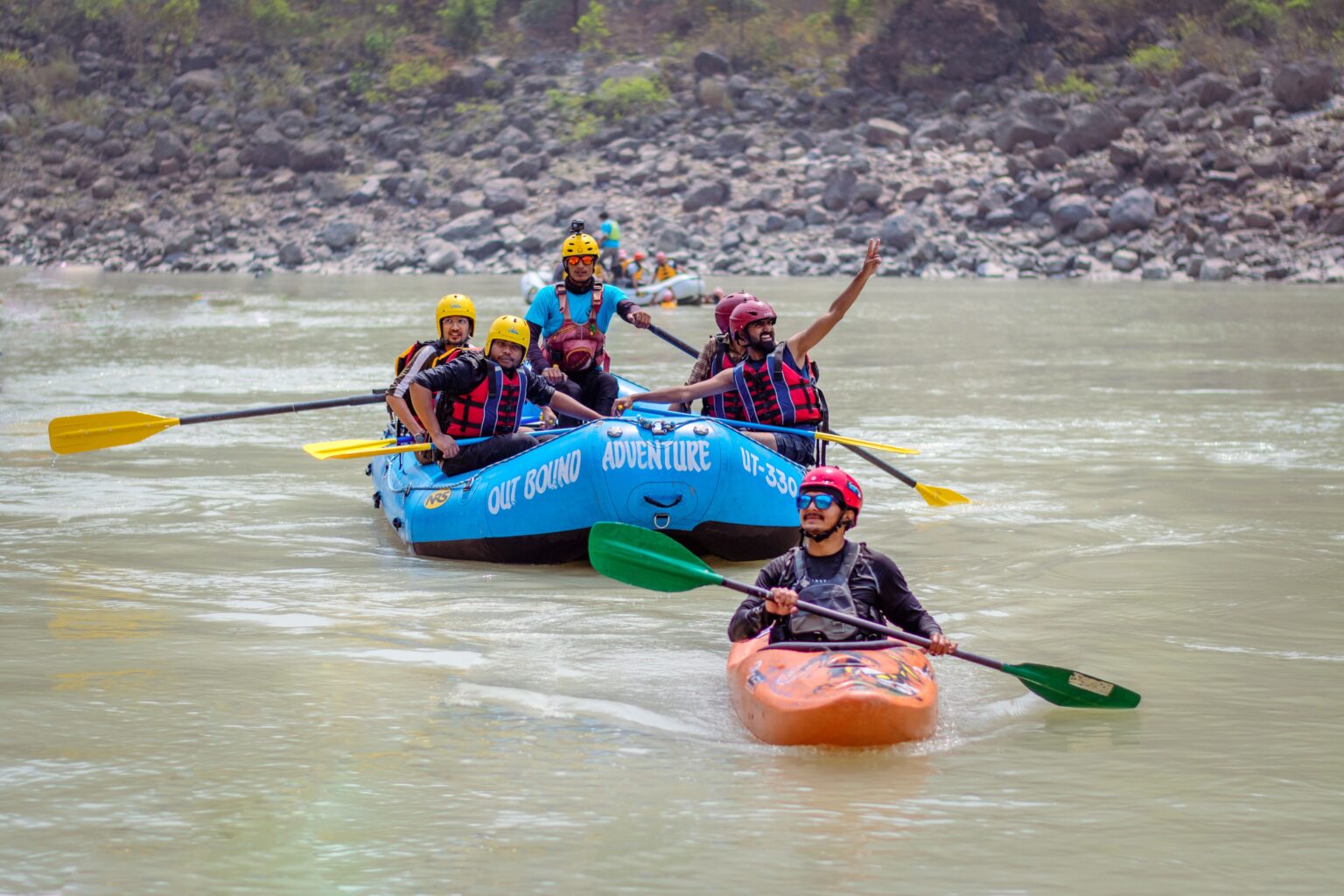
What to wear kayaking depends on the water temperature, not the air temperature. In warm water above roughly 70°F, quick-drying synthetic shorts and a wicking top are fine. In cold water below about 60°F, you need a wetsuit or drysuit, because a capsize in cold water is dangerous regardless of how warm the day feels. Always wear a properly fitted life jacket, always choose quick-drying synthetics over cotton, and always wear footwear that stays on your feet in water. Bring a full dry change of clothes in a dry bag.
The single most common kayaking clothing mistake is dressing for a warm sunny day when the water underneath you is cold. That is the one that gets people into trouble.
The Golden Rule: Dress for the Water
This is the rule that matters most, and it is the one beginners break.
Why: if you capsize, you are suddenly immersed. Air temperature becomes irrelevant. Cold water pulls heat from your body far faster than cold air does, and even strong swimmers lose coordination quickly in cold water.
The practical version:
| Water temperature | What you need |
| Above 70°F | Regular quick-dry clothing is fine |
| 60 to 70°F | Wetsuit recommended, or at minimum thermal layers |
| 50 to 60°F | Wetsuit or drysuit strongly recommended |
| Below 50°F | Drysuit territory. Cold water shock is a real risk |
A hot summer day with cold water, which is very common on mountain lakes and spring rivers, is exactly the situation that catches people out.
Always: The Life Jacket
A properly fitted life jacket, or PFD, is not clothing you choose between. Wear it, do not just carry it.
- Fit it snugly. Have someone pull up on the shoulders. It should not ride up past your ears.
- Paddling-specific PFDs have large armholes so they do not chafe your shoulders while stroking.
- Check local regulations. Many places legally require one on board, and some require it worn.
Warm Weather Kayaking
When both the air and the water are warm, keep it simple.
Wear:
- Quick-drying synthetic shorts or board shorts
- A wicking t-shirt, or a long-sleeve sun shirt
- A swimsuit underneath
- Footwear that stays on: water shoes, secured sandals, or old trainers
- A brimmed hat with a retention strap
- Sunglasses with a floating strap
Sun is the underrated hazard. You get sun from above and reflected off the water, so exposure is roughly doubled. Long sleeves and a hat beat repeated sunscreen application, especially since your hands are wet.
Cold Water Kayaking
This is where clothing becomes safety equipment.
Wetsuit
A wetsuit traps a thin layer of water against your skin, which your body warms. It works well for moderately cold water.
- Suited to water in roughly the 50s and 60s°F
- You will be wet, but insulated
- A sleeveless “farmer john” style is popular for paddling, since it leaves the shoulders free
Drysuit
A drysuit keeps water out entirely, with gaskets at the neck and wrists. You wear insulating layers underneath.
- The right choice for genuinely cold water
- More expensive, and worth it if you paddle cold water regularly
- Layer thermal base layers underneath, never cotton
Layering Under Either
- Synthetic or merino base layer, never cotton
- Fleece mid layer under a drysuit in cold conditions
- Neoprene gloves or pogies for the hands
- Neoprene booties for the feet
- A warm hat, since a lot of heat is lost from the head
Never: Cotton
Same rule as hiking, and it matters even more here because getting wet is likely rather than possible.
Cotton absorbs water, stays wet, and pulls heat from your body. Wet cotton in wind on open water is a fast route to being cold and miserable, and in cold conditions it is genuinely risky.
Use: synthetics, merino wool, or neoprene.
Footwear
Your feet will get wet. Plan for it.
Good options:
- Neoprene booties, warm and secure
- Water shoes with a closed toe
- Sandals with a heel strap
- Old trainers you do not mind soaking
Bad options:
- Flip flops, which come off immediately
- Bare feet, which offer no protection at launches and rocky banks
- Heavy boots, which are dangerous if you end up in the water
What to Bring in a Dry Bag
Even on a short paddle, pack these.
- A complete change of clothes, including socks and underwear
- A towel
- A warm layer for after you get off the water
- Your phone, in a waterproof case or bag
- Water and snacks
- Sunscreen for the places clothing does not cover
Getting off the water cold and wet with nothing dry to change into is how a fun paddle becomes a bad afternoon.
Quick Reference
| Conditions | What to wear |
| Hot day, warm water | Board shorts, wicking top, water shoes, hat, PFD |
| Hot day, cold water | Wetsuit, sun shirt over it, booties, PFD |
| Cool day, cool water | Wetsuit or thermal layers, splash jacket, PFD |
| Cold day, cold water | Drysuit, thermal layers underneath, neoprene gloves and booties, PFD |
| Rain, warm water | Quick-dry clothing, light splash jacket, PFD |
FAQ
What should I wear kayaking for the first time? On a warm day with warm water, wear quick-drying shorts, a wicking t-shirt, a swimsuit underneath, and shoes that stay on your feet. Always wear a properly fitted life jacket. Avoid cotton, and bring a dry change of clothes in a waterproof bag.
Do you dress for the air or the water temperature when kayaking? The water, always. If you capsize, air temperature stops mattering, and cold water removes body heat far faster than cold air. A warm sunny day over cold water is the most common situation where paddlers get caught out.
Do you need a wetsuit for kayaking? It depends on water temperature. Above roughly 70°F, normal quick-dry clothing is fine. Between 50 and 70°F, a wetsuit is recommended. Below 50°F, a drysuit is the safer choice, since cold water shock becomes a genuine risk.
Can you wear jeans kayaking? No, avoid them. Jeans are cotton, so they absorb water, become extremely heavy when wet, restrict movement, and pull heat from your body. Quick-drying synthetic shorts or trousers are far safer and more comfortable.
What shoes should you wear kayaking? Footwear that stays securely on your feet and can get wet: neoprene booties, closed-toe water shoes, sandals with heel straps, or old trainers. Avoid flip flops, which come off instantly, and avoid heavy boots, which are hazardous in the water.
Your Next Step
Find out the water temperature before your trip, not just the forecast. That single number determines whether you need shorts or a wetsuit, and it is the thing most first-time paddlers never check.
Then pack a dry bag with a full change of clothes, even for a short paddle. It weighs almost nothing and it is the difference between a good day and a cold, miserable drive home.