


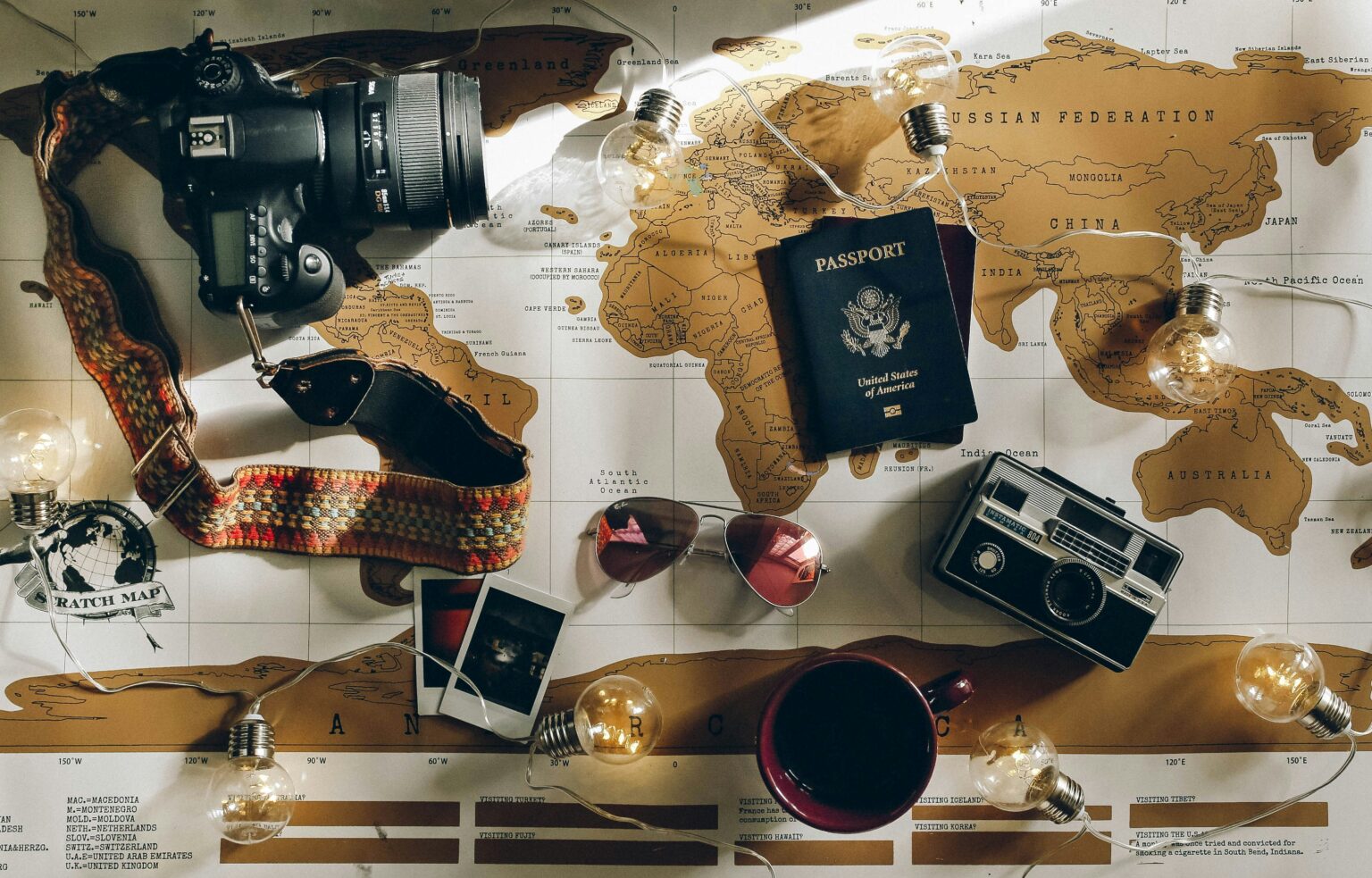
The best travel camera is a compact, lightweight camera with strong image quality, long battery life, and easy controls. For most US travelers, this means a mirrorless compact or a premium point-and-shoot, not a bulky DSLR. The right pick depends on your budget, how you shoot, and how much gear you want to carry.
Choosing a camera for travel is different from choosing one for a studio or a sports event. You need something that survives long days, tight bags, and changing weather. This guide breaks down exactly how to choose, without the tech jargon.
Why Your Travel Camera Choice Matters
Your phone can take good photos. But a dedicated camera still wins for zoom range, low light shots, and battery life on long travel days.
A bad camera choice means:
- A bag that’s too heavy after day two
- A dead battery at sunset
- Blurry photos in low light bars or temples
- Missing the shot because the zoom couldn’t reach
Pick the right camera once, and you avoid all four problems.
What Makes a Camera Good for Travel
A good travel camera balances four things. No camera wins at all four, so you need to know your priority.
1. Size and Weight
If it doesn’t fit in a jacket pocket or small bag, you’ll leave it at the hotel. This is the #1 reason travel cameras go unused.
2. Battery Life
Look for a camera rated at 300+ shots per charge. Cold weather and heavy screen use will drop this number, so buy a spare battery if you travel often.
3. Zoom Range
A basic travel zoom covers wide shots (buildings, landscapes) and close shots (wildlife, street photos) without switching lenses. A 24-100mm equivalent range covers most trips.
4. Image Quality in Low Light
Museums, restaurants, and evening streets are often dim. A larger sensor (1-inch or APS-C) handles low light far better than a small phone-style sensor.
Best Compact Cameras: Categories to Know
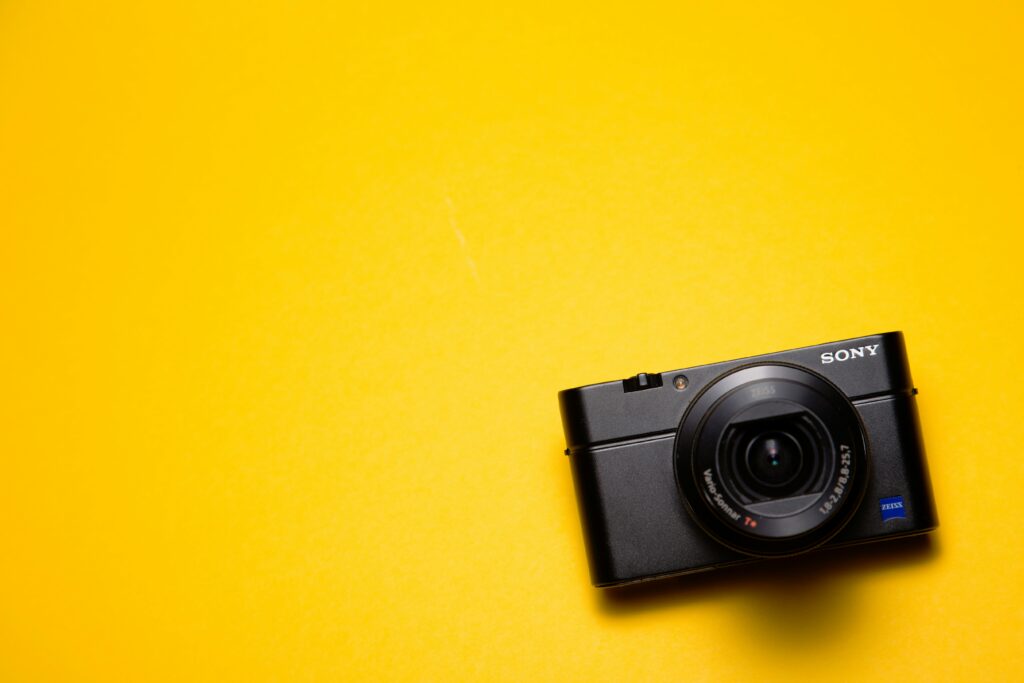
Instead of naming one “best” camera, it helps to know the categories. Each fits a different type of traveler.
Premium Compact Cameras
These have a fixed lens, a 1-inch sensor, and fit in a coat pocket. Good for travelers who want quality without changing lenses.
- Best for: city trips, street photography
- Downside: limited zoom range on some models
Compact Mirrorless with Interchangeable Lenses
Slightly bigger, but you can swap lenses for different needs (portraits, landscapes, wildlife).
- Best for: photographers who want more control
- Downside: extra lenses add weight
Rugged and Waterproof Compacts
Built for hiking, snorkeling, and rough handling. Lower image quality than premium compacts, but they survive drops and water.
- Best for: adventure travel, beach trips
- Downside: smaller sensor means weaker low-light photos
How to Choose the Best Travel Camera for You
Answer these three questions first:
- What will you shoot most? Landscapes need wide lenses. Wildlife needs zoom. Food and street photos need low-light performance.
- How much weight will you carry? Be honest. A heavy camera you leave in the hotel is worse than a light one you actually use.
- What’s your budget? Set a number before you shop. Camera prices range widely, and it’s easy to overspend on features you won’t use.
Once you have these answers, compare 2-3 models side by side using review sites and sample photos, not just spec sheets.
Budget Guide by Traveler Type
- Casual traveler: A premium compact camera in the mid-price range covers 90% of trip photos.
- Serious hobbyist: A mirrorless compact with 1-2 extra lenses gives more creative control.
- Adventure traveler: A rugged waterproof compact is worth the lower image quality for the durability.
Common Mistakes When Buying a Travel Camera
- Buying too much zoom. Long zoom lenses add weight and often lose sharpness at max zoom.
- Ignoring battery life. Check the CIPA rating (shots per charge), not just megapixels.
- Skipping a memory card check. Some cameras need fast cards for video. Buy the right speed class before your trip.
- Forgetting a case. Sand, rain, and drops are common on trips. A simple case protects your investment.
Quick Checklist Before You Buy
- Fits in your travel bag or pocket
- Battery rated for a full day of shooting
- Zoom range matches your main subject (landscape, wildlife, street)
- Sensor size handles low light where you’re traveling
- Budget set before browsing
Conclusion
The best travel camera is the one you’ll actually carry every day of your trip. Start with your shooting style and budget, not the spec sheet. Pick a category from this guide, test a few models in person if you can, and choose the one that feels right in your hand.
Next step: make a short list of 2-3 cameras that match your travel style, then read hands-on reviews before buying.
FAQ
What is the best camera for a two-week trip abroad?
A premium compact camera with a 1-inch sensor and 300+ shot battery life works well for most two-week trips. Bring one spare battery and a fast memory card.
Is a phone camera good enough for travel?
Phone cameras work well in daylight but struggle in low light and lack real zoom. A dedicated camera gives better results in dim settings and distant shots.
Do I need a DSLR for travel photography?
No. Compact mirrorless and premium point-and-shoot cameras give strong image quality at a fraction of the weight of a DSLR.
How much should I spend on a travel camera?
Set your budget based on how often you travel. Frequent travelers benefit from investing more in battery life and build quality. Occasional travelers can start with an entry-level compact.