


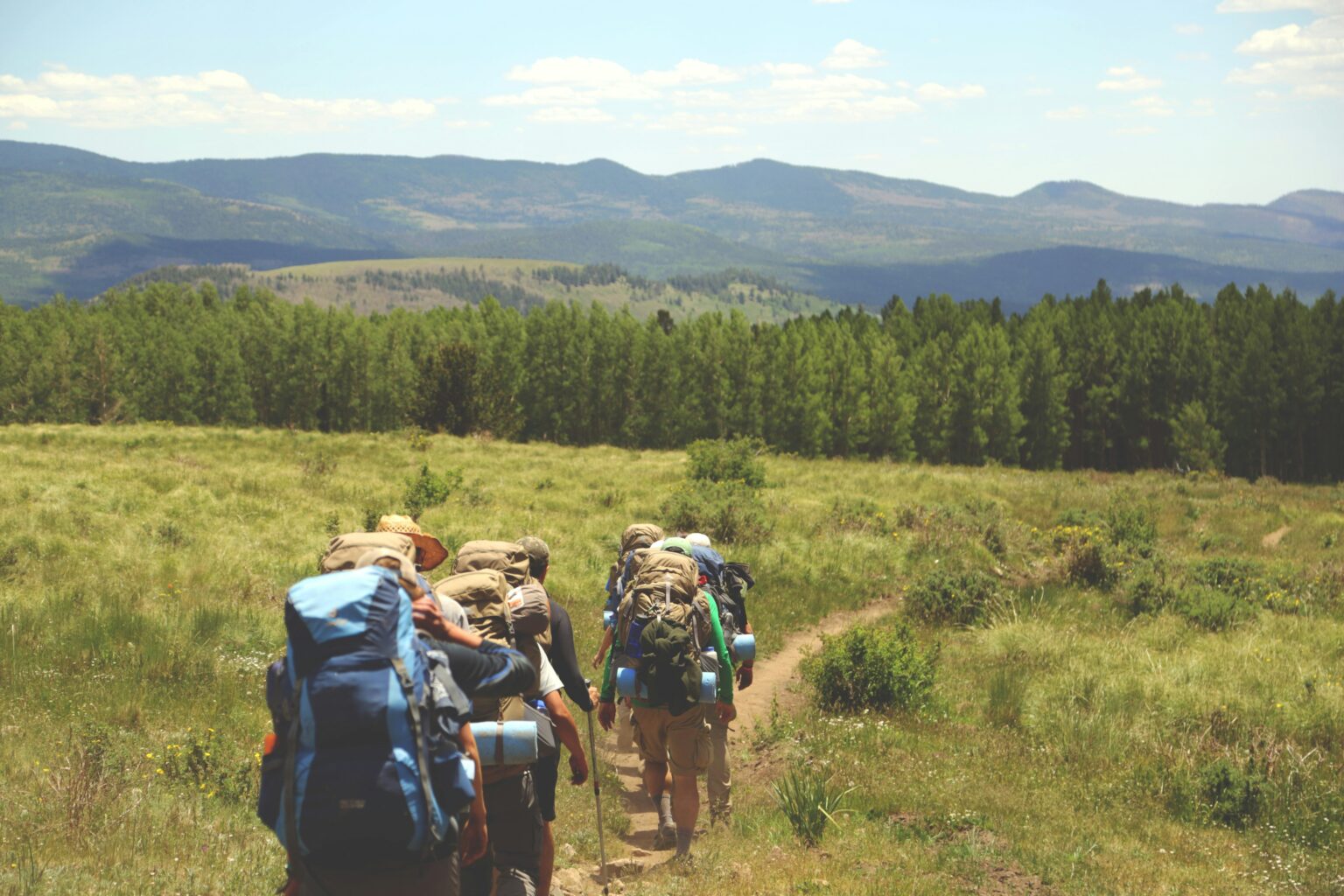
Packing a hiking backpack the right way can make your trip safer and more comfortable. A well packed bag helps you carry weight better and find what you need fast. It also keeps you balanced on the trail and reduces pressure on your shoulders and back.
Why Packing Matters
A hiking backpack is not just a bag for your gear. It affects how you walk and how tired you feel. If the weight sits in the wrong place the bag can pull you backward or make you lean too much. That can cause discomfort and waste energy.
Start With the Right Bag
Before you pack think about the kind of hike you are doing. A short day hike usually needs a smaller daypack. A longer hike or overnight trip needs a larger backpack with more space for food clothes and shelter.
The backpack should fit your body well. If the bag is too large or too small it will be harder to carry even if you pack it correctly. A good fit is the base of good packing.
Lay Out Your Gear
Before putting anything in the backpack place all your gear on the floor or a clean surface. This helps you see what you have and what you still need. It also helps you group items by type.
You can sort your gear into simple groups.
- Sleep items.
- Food and cooking items.
- Clothing.
- Safety items.
- Water and hydration items.
- Small useful items.
This makes packing much easier and helps you avoid forgetting something important.
Pack Heavy Items First
The main rule in how to pack a hiking backpack is to place heavy items near your back and around the middle of the bag. This keeps the weight close to your body and helps you stay balanced.
Examples of heavier items include:
- Food.
- Cooking gear.
- Water.
- Stove and fuel.
- Extra clothing in larger trips.
Do not let heavy items sit far from your back. That can make the pack feel unstable and tiring.
Use the Bottom for Bulky Items
The bottom of the backpack is best for items you will not need until later in the day or at camp. For many hikers this means the sleeping bag or sleep system.
You can also place other bulky items at the bottom if they are not needed during the hike. A compression sack can help reduce space and keep soft gear compact. This makes the rest of the pack easier to arrange.
Keep Essentials Easy to Reach
Some items should stay near the top or in outside pockets. These are things you may need during the day without unpacking the whole bag.
Good examples include:
- Map.
- First aid kit.
- Headlamp.
- Snacks.
- Rain jacket.
- Sun protection.
- Water filter or small tools.
Putting these items where you can reach them quickly saves time and keeps you prepared on the trail.
Use Side Pockets Wisely
Side pockets are useful for water bottles and other items you may need often. They are also good for snacks or small gear that should not be buried in the main compartment.
Do not overload the side pockets. If one side is much heavier than the other the backpack may feel uneven. Keep the load as balanced as possible. Balance is important for comfort and stability.
Protect Items From Water
Water can damage clothes electronics and sleeping gear. It is smart to pack these items in waterproof bags or dry sacks when possible. Some hikers also line the inside of the backpack with a plastic bag for extra protection.
This is especially helpful for items like:
- Sleeping bag.
- Spare clothes.
- Phone.
- Power bank.
- Documents.
Even if your pack has a rain cover it is still wise to protect important gear inside the bag.
Do Not Carry Unnecessary Items
A common mistake is packing too much. Every extra item adds weight and makes the hike harder. One of the best packing tips is to be honest about what you truly need.
Before you close the pack ask yourself if each item has a clear purpose. If not leave it behind. A lighter backpack usually feels better and helps you enjoy the trail more.
Adjust the Weight the Right Way
When your backpack is full the weight should feel centered and stable. The heaviest items should sit close to your back. Lighter items can go farther away from your body.
This arrangement helps you keep your balance and reduces strain on your shoulders. It also makes the backpack move less while you walk. Less movement means more comfort.
Tighten and Test the Pack
After packing your bag close all zippers and tighten the compression straps if the pack has them. These straps help reduce loose space and keep the load steady.
Then wear the backpack and adjust the hip belt shoulder straps and sternum strap. The hip belt should carry much of the weight on your hips rather than your shoulders. Walk around for a few minutes and make small changes until the bag feels stable.
Simple Packing Order
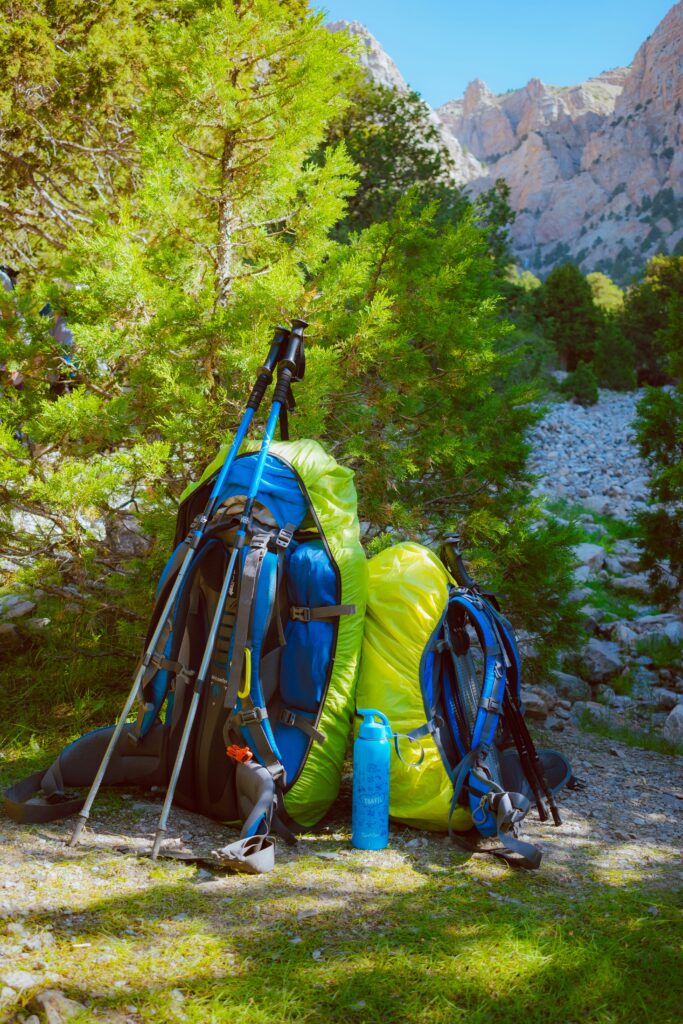
Here is a basic order that works for many hikers.
- Put the sleeping bag or bulky soft gear at the bottom.
- Place heavy items close to your back in the middle.
- Pack clothes and medium gear around them.
- Keep essentials near the top.
- Use pockets for water snacks and small tools.
This order helps create a stable load and makes items easier to find.
Day Hike Packing Tips
If you are going on a short hike keep your packing simple. You may only need water snacks a light jacket a phone and a small first aid kit. Do not overpack just because you have space.
For a day hike it is better to stay light and move freely. A smaller and cleaner pack is easier to carry and easier to manage on the trail.
Overnight Hike Packing Tips
For an overnight hike you will need more careful planning. You must pack food a sleeping system cooking gear extra clothing and safety items. Keep the heaviest gear near your back and the things you need last at the bottom.
Try to pack in a way that helps you set up camp fast. Group your sleep gear together and store food in one place. This will save time when you reach your campsite.
Common Packing Mistakes
Many hikers make the same mistakes when learning how to pack a hiking backpack.
- Packing too much gear.
- Putting heavy items too far from the back.
- Forgetting to protect gear from water.
- Not balancing the load.
- Packing important items too deep in the bag.
- Skipping the final fit check.
Avoiding these mistakes can make your hike much more comfortable.
Check Your Pack Before Leaving
Before you start the trail look over your backpack one more time. Make sure you have food water navigation items and weather protection. Also check that the pack feels balanced and that nothing is loose.
A good final check can prevent problems later. It takes only a few minutes but it can make a big difference on the trail.
Final Thoughts
Learning how to pack a hiking backpack is a simple skill that improves every hike. When you place weight correctly and keep important items easy to reach your backpack feels lighter and easier to carry. You also stay more organized and ready for changing trail conditions.
The best packing method is the one that keeps your gear safe your body comfortable and your load balanced. Start with the right bag sort your items carefully and test the fit before you go. A well packed backpack helps you enjoy the trail with less stress and more confidence.