



Safety tips for hiking form the foundation of every successful outdoor adventure, protecting you from unpredictable dangers while maximizing your enjoyment of nature. Whether you’re a beginner tackling local trails or an experienced hiker venturing into remote wilderness, following proven hiking safety tips ensures every journey ends safely and rewardingly.
Strategic Planning Before You Step Out
Choosing the Right Trail for Your Ability Level
Selecting terrain that matches your current fitness and experience creates the foundation for successful outdoor adventures. Research trail difficulty ratings, distance, elevation gain, and expected completion time using reliable resources like National Park Service trail guides. Contact local ranger stations for current conditions, recent weather impacts, wildlife activity, and any closures or warnings before departure.
Create a detailed route plan marking key landmarks, water sources, and potential exit points. Carry both digital and physical navigation tools since electronics can fail unexpectedly. Study maps thoroughly before you leave so you recognize terrain features during your hike.
Weather Intelligence and Forecast Checking
Mountain and forest climates shift rapidly, often differing dramatically from conditions at your starting point or home base. Check forecasts specific to your hiking elevation and location multiple times—days before, the day before, and hours before departure. Pay attention to temperature trends, precipitation chances, wind patterns, and storm warnings.
If severe weather looms, postpone your trip entirely. Good planning means recognizing that some days aren’t suited for venturing out, and waiting often leads to better experiences later. Reliable weather information comes from sources like Weather.gov for accurate mountain forecasts.
Essential Equipment for Every Hiker’s Safety
Footwear and Clothing Strategy That Prevents Injuries
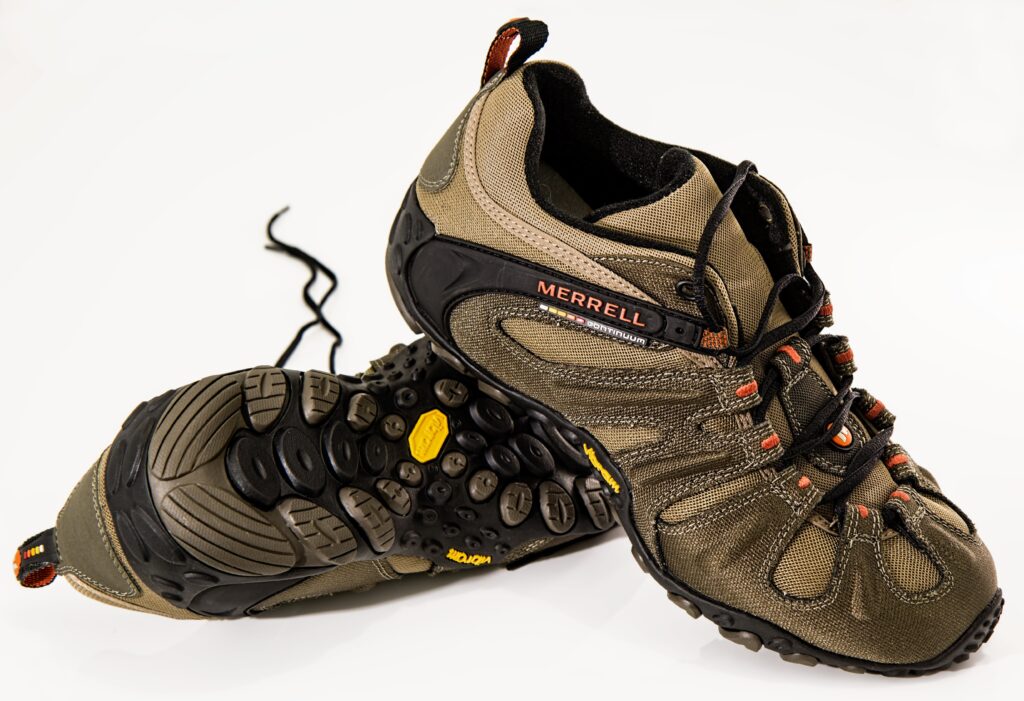
Proper footwear prevents injuries and reduces fatigue dramatically. Invest in hiking boots or shoes with ankle support, rugged tread for traction, and waterproof membranes if you encounter wet terrain regularly. Break them in gradually before long hikes to avoid painful blisters that can end adventures prematurely.
Layer clothing using moisture-wicking base fabrics, insulating mid-layers, and protective outer shells. Bring a waterproof jacket regardless of forecast predictions since sudden rain occurs frequently in mountain environments. Pack extra warm layers, gloves, and a hat for temperature drops at higher elevations. In hot conditions, choose light-colored breathable fabrics and wear a wide-brimmed hat for sun protection. For detailed clothing recommendations, check REI’s hiking gear guide.
The Ten Critical Items Every Hiker Must Carry

Every hike requires these foundational supplies for safety:
Sun defense: High-quality sunscreen (50+ SPF), sunglasses with polarized lenses, long sleeves, and a sun hat prevent burns and eye damage during extended exposure.
Lighting: A reliable headlamp with fresh batteries ensures visibility if your hike extends beyond daylight hours unexpectedly.
Weather protection: Rain gear, insulated jacket, warm gloves, and extra hat handle temperature swings and sudden precipitation effectively.
Medical supplies: A compact first aid kit containing bandages, antiseptic wipes, pain relievers, allergy medication, and personal prescriptions addresses minor injuries promptly.
Emergency shelter: A lightweight space blanket, tarp, or bivy sack provides protection if you must wait for rescue help.
Hydration and nutrition: Carry more water than you anticipate needing, plus electrolyte supplements to replace salts lost through sweating. Pack high-energy foods like nuts, dried fruit, and energy bars.
Repair tools: Duct tape, a multi-tool knife, and scissors handle unexpected gear fixes during your journey.
Fire capability: Waterproof matches or a lighter enable emergency warming if stranded.
Navigation: Physical map, compass, and GPS device (with backup batteries) prevent getting lost in unfamiliar terrain.
Communication: A fully charged phone and emergency whistle signal for help if needed urgently.
Smart Practices While On the Trail
Stick to Established Routes and Marked Paths
Marked paths offer the safest passage through terrain and minimize environmental damage significantly. Off-trail exploration increases risks like falling, encountering unstable ground, or startling wildlife unexpectedly. Pay attention to trail markers and signage constantly, especially when vegetation obscures the path. For more information on trail etiquette, visit Trail Link.
Mind Your Footsteps Constantly and Carefully
Falls represent the most common cause of serious hiking injuries worldwide. Watch the ground ahead, checking for loose rocks, muddy patches, exposed roots, and steep drop-offs before stepping. Slow your pace on difficult sections and use trekking poles for stability when crossing uneven terrain regularly. Never rush, especially near cliffs or water crossings where accidents happen frequently.
Maintain Hydration Throughout Your Entire Hike
Dehydration develops quickly during physical exertion, particularly in warm temperatures or high-altitude conditions. Drink regularly every 15–20 minutes, not just when you feel thirsty. Bring at least two liters per person for moderate hikes, increasing for longer distances or hot weather days. Electrolyte mixtures restore minerals lost through sweat and prevent fatigue effectively. Learn more about hydration strategies from Mayo Clinic.
Respect Daylight Limitations and Start Early
Start early to finish before dusk arrives. Summer heat intensifies at elevation, so morning hikes feel more comfortable and safer. As seasons change and daylight shortens, adjust departure times accordingly for safety. Carry a headlamp regardless, since delays happen unexpectedly on every trail.
Managing Wet Season Challenges Effectively
Preparing for Rainy Conditions and Best Safety Tips for Hiking in Rainy Season
Rainy seasons transform familiar trails into slippery, hazardous terrain quickly. Pack waterproof outer layers including a rain jacket, rain pants, and a backpack cover for protection. Protect electronics in sealed dry bags consistently. Check trail reports for closures caused by flooding or mudslides before heading out.
Move more slowly on wet surfaces since rocks and roots become unstable and dangerous. Avoid crossing rivers when water flows rapidly or appears deep—wait for conditions to improve or find an alternate route safely. Watch for signs of hypothermia like shivering, confusion, and clumsiness, and seek shelter immediately if they appear.
The best safety tips for hiking in rainy season include carrying extra warm clothing and emergency insulation like a space blanket. Rain reduces visibility and trail marking, so rely heavily on your map and compass skills consistently. For detailed rainy season hiking advice, consult Outside Magazine.
Additional Wet Weather Precautions for Safety
Never attempt solo river crossings in heavy rain situations. Rock-hopping becomes dangerous when surfaces are slick and unstable. Stay alert for flash flood warnings in canyon areas constantly. If caught in deteriorating weather, avoid panic decisions and prioritize finding safe shelter immediately. Cover your face with clothing if debris flies through the air, and lie flat protecting your head if falling objects threaten.
Wildlife Awareness and Environmental Respect Guidelines
Animal Encounters and Safety Tips for Hiking
Most wildlife avoids humans naturally, but surprises happen frequently. Stay calm during encounters, avoid sudden movements, and maintain safe distance always. Never approach animals, especially young ones trying to protect them. Store food securely to prevent attracting creatures to your campsite. Wear long pants and apply insect repellent to reduce bites from mosquitoes and ticks effectively.
Terrain Hazards and Hiking Safety Tips
Evaluate steep slopes, river crossings, and avalanche zones before proceeding forward. Trekking poles improve balance on unstable ground significantly. Recognize your physical limits and turn back when conditions exceed your capabilities safely. Learn about poisonous plants and dangerous animals native to your hiking area thoroughly.
Emergency Response Planning and Procedures
Pre-Hike Communication Protocols
Before leaving, share your detailed route, departure time, expected return time, and vehicle location with a trusted person. Agree on a specific time they should contact emergency services if you haven’t returned safely. This simple step dramatically improves rescue response times when accidents occur.
Recognizing Danger Signs Early
Hypothermia develops gradually over time. Early symptoms include uncontrollable shivering, extreme fatigue, poor coordination, and mental confusion clearly. If you notice these signs, stop immediately, seek shelter, remove wet clothing, and warm up gradually with dry layers and warm drinks safely.
Getting Lost Safely Without Panic
If you realize you’re off-route, stop moving immediately. Calmly assess your situation and try retracing steps to known landmarks carefully. Stay put if weather worsens or night approaches suddenly. Use your whistle or phone to signal for help effectively. Protect yourself from exposure with emergency shelter immediately.
Building Long-Term Safety Habits for Hiking
Consistent practice transforms safety precautions into automatic behaviors naturally. Understand why each piece of equipment matters and how to use it properly. Respect nature’s unpredictability and listen to your body’s signals always. Turn back when conditions feel unsafe—no summit is worth risking your life unnecessarily.
Proper preparation, awareness of surroundings, and willingness to adapt ensure every hiking adventure delivers joy without unnecessary danger. Nature rewards respectful explorers who prioritize safety tips for hiking over ambition consistently. For more comprehensive hiking resources, visit American Hiking Society.